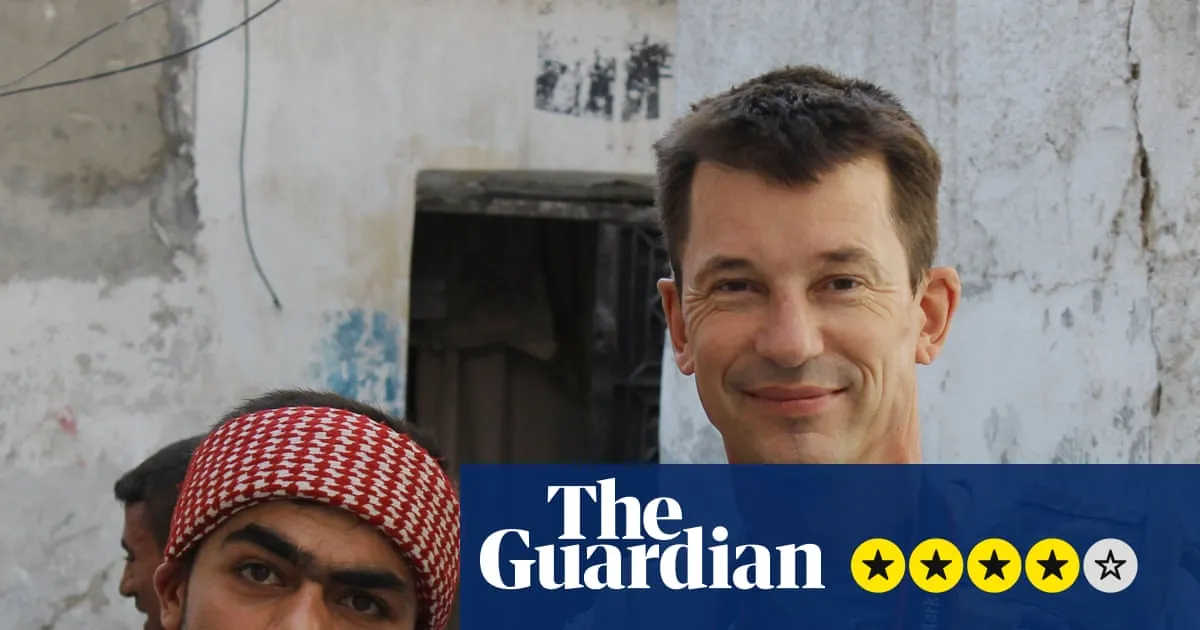
John cantlie: The Life and Legacy of
Impact of John Cantlie’s Captivity
John Cantlie’s story serves as a stark reminder of the perilous nature of journalism in conflict zones, particularly in regions like Syria and Iraq. His kidnapping by the Islamic State in 2012 marked the beginning of a harrowing chapter that would captivate and horrify audiences worldwide. The consequences of his abduction extend beyond his personal plight, shedding light on the broader risks faced by reporters covering wars and crises.
Background and Kidnapping
As a British photographer and reporter, Cantlie was known for his bravery and willingness to document the frontlines of conflict. He gained recognition for his work during the battle against Muammar Gaddafi in Libya in 2011. However, his career took a tragic turn when he was kidnapped in Syria in 2012, alongside fellow journalist James Foley. This incident underscored the increasing dangers that journalists encounter in volatile regions.
Life as a Hostage
During his captivity, Cantlie was forced to create propaganda videos for his captors, which became a critical element of his survival. His appearances in these videos painted a complex portrait of his character, revealing both his resilience and the psychological toll of being a hostage. The documentary “Hostage” explores these themes, featuring footage from Cantlie’s own smartphone videos and selfies, offering an intimate glimpse into his life under duress.
Death and Uncertainty
In 2017, it was reported that John Cantlie was believed to have died in an airstrike in Iraq. However, details remain unconfirmed, and the precise evidence linking his captivity in Syria to the reported airstrike remains unclear. This uncertainty adds to the tragic narrative of Cantlie’s life, leaving many questions unanswered about his final moments and the circumstances surrounding his death.
Family and Legacy
Cantlie’s family has chosen not to participate in the documentary “Hostage,” which leaves gaps in understanding his decision-making and movements before his capture. This absence of family testimony highlights the challenges in piecing together the full story of his life and the choices he made as a journalist. Despite these gaps, Cantlie’s legacy continues to resonate, serving as a cautionary tale about the risks taken by those who report from the front lines.
The Role of Journalists in Conflict Zones
The role of reporters in conflict zones has become increasingly perilous, particularly in North Africa and the Middle East. Cantlie’s experiences reflect the broader challenges faced by journalists who strive to inform the public while navigating life-threatening situations. His story is a testament to the courage of those who risk their lives to bring stories from the world’s most dangerous places.
John Cantlie’s journey from a war correspondent to a hostage of the Islamic State underscores the complexities and dangers of journalism in conflict zones. As the world reflects on his life, it is essential to recognize the sacrifices made by journalists and the importance of their work in promoting understanding and awareness of global issues.