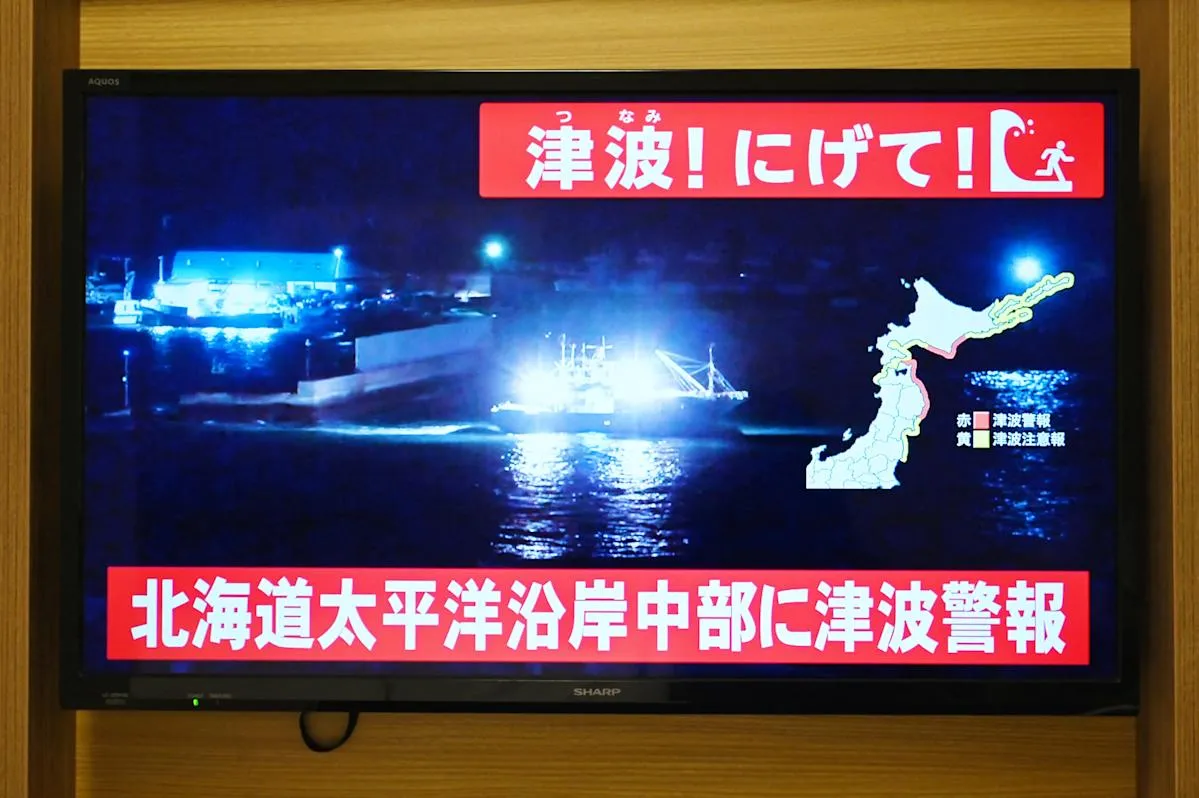
Japan Tsunami 2011: A Decisive Moment in History
Before the Disaster
Prior to the catastrophic events of March 11, 2011, Japan was recognized for its advanced infrastructure and preparedness for natural disasters. The nation, situated on the ‘Ring of Fire,’ had a robust system in place to mitigate the impacts of earthquakes and tsunamis.
The Decisive Moment
However, everything changed when a 9.0-magnitude earthquake struck off the coast of Japan, triggering a massive tsunami that devastated coastal towns in the Tohoku region, including Kamaishi, Ofunato, and Rikuzentakata. The wave that washed over Japan’s eastern shore killed approximately 20,000 people, leaving more than 22,000 individuals missing or confirmed dead.
Immediate Aftermath
The immediate effects were catastrophic. The Fukushima Daiichi nuclear power plant experienced severe meltdowns due to the tsunami, leading to a nuclear crisis. In response, the Japanese government evacuated 160,000 people from Okuma and 11 other towns due to radiation concerns, establishing a 20-kilometer exclusion zone around the plant.
Expert Perspectives
Experts have pointed out that the situation was unprecedented. Former Prime Minister Shinzo Abe stated, “The situation is under control,” while others, like Yukio Shirahige, warned, “This is a dangerous level of radioactivity.” These contrasting views highlighted the uncertainty and urgency of the situation.
Long-Term Implications
In the years following the disaster, the Japanese government has spent millions on decontaminating Fukushima and rebuilding the infrastructure. The long-term effects of the radiation exposure remain a concern, with the half-life of cesium 137 being approximately 30 years.
Current Status
Today, the population of Okuma has dwindled to around 1,000, a stark contrast to the vibrant community that once thrived before the disaster. The recovery process continues, with ongoing debates about the future of nuclear energy in Japan, which had 54 reactors prior to the disaster.
The Japan tsunami of 2011 not only reshaped the landscape but also altered the nation’s approach to disaster preparedness and nuclear energy. As Japan continues to recover, the lessons learned from this tragedy remain critical for future resilience.