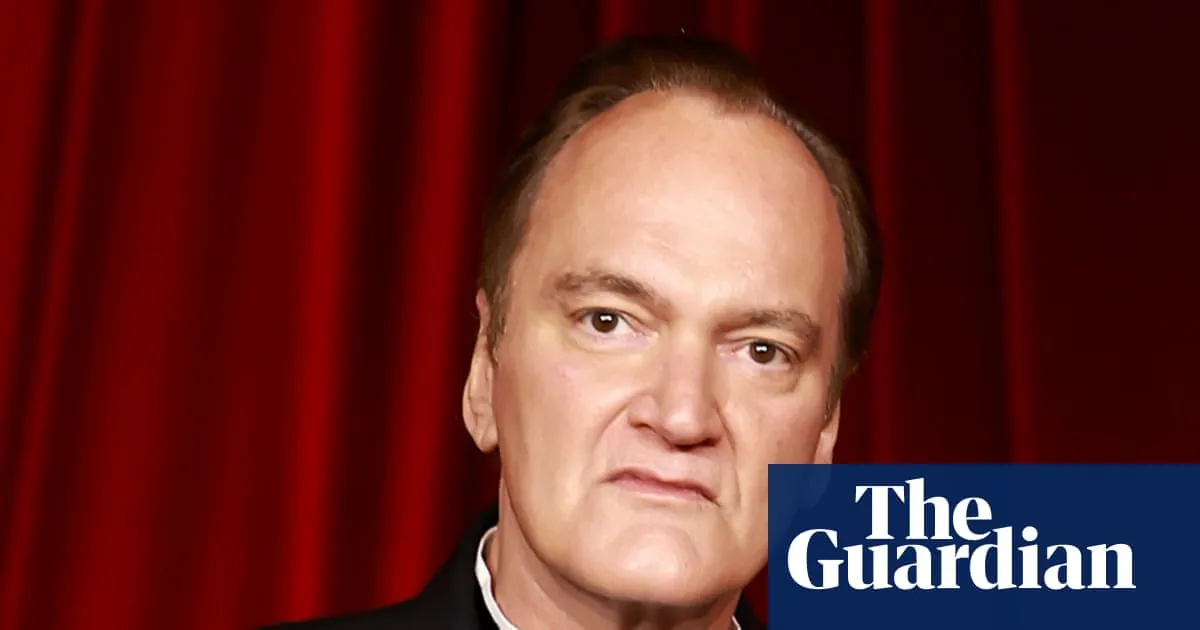
Rosanna arquette and Quentin Tarantino’s Criticism Exchange
Background of the Discourse
In the realm of film, Quentin Tarantino has long been a polarizing figure, particularly regarding his use of racial slurs in his works. His film Django Unchained notably features the N-word a staggering 110 times, a choice that has drawn criticism from various quarters, including filmmaker Spike Lee. Despite this backlash, Tarantino has defended his artistic decisions, asserting that they serve a purpose within the narrative context of his films.
Rosanna Arquette’s Criticism
On March 10, 2026, actress Rosanna Arquette entered the fray, voicing her discontent with Tarantino’s language in an interview with The Times. She described his use of the N-word as “not art, it’s just racist and creepy,” a statement that resonated with many who share her concerns about racial sensitivity in media. Arquette’s remarks were not made in isolation; they came amidst a broader conversation about the responsibilities of artists in addressing race and representation.
The Decisive Moment
Arquette’s comments quickly gained traction, leading to a significant media response. A total of 132 media outlets reported on her criticism, amplifying the discourse surrounding Tarantino’s work and the implications of his language choices. This surge in attention marked a pivotal moment in the ongoing debate about artistic freedom versus social responsibility.
Tarantino’s Response
In a swift rebuttal, Tarantino accused Arquette of exhibiting a “decided lack of class” in her criticism. He expressed disappointment that she would choose to publicly denounce him after having benefited from her role in Pulp Fiction, where she played the character Jody. Tarantino’s defense highlighted a perceived betrayal, suggesting that Arquette’s comments were motivated by cynical intentions rather than genuine concern.
Reactions and Implications
The exchange between Arquette and Tarantino has sparked discussions about the dynamics of artistic collaboration and accountability. Many observers noted that while Tarantino’s films are celebrated for their stylistic flair, they also provoke necessary conversations about race and language in cinema. Arquette’s stance reflects a growing sentiment among artists and audiences alike that certain expressions can perpetuate harm, regardless of artistic intent.
Expert Perspectives
Experts in film and cultural studies have weighed in on the controversy, emphasizing the importance of context in discussions about language in art. They argue that while artistic expression is vital, it must be balanced with an awareness of its impact on marginalized communities. Tarantino’s films, while iconic, are also scrutinized for their potential to normalize harmful language and stereotypes.
Conclusion and Future Considerations
As the dialogue between Rosanna Arquette and Quentin Tarantino continues to unfold, it serves as a reminder of the complexities surrounding race, art, and accountability in the film industry. The public’s response to this exchange may influence future conversations about the responsibilities of filmmakers in addressing sensitive topics. Details remain unconfirmed regarding any potential changes in Tarantino’s approach to his work following this incident.