Turkish Airlines Faces Flight Suspensions Amid Geopolitical Tensions
Turkish Airlines Faces Flight Suspensions
Turkish Airlines has announced that flights to Tehran, Iran, will remain suspended until at least March 13, 2026, due to ongoing geopolitical tensions in the region. This decision follows the cancellation of four flights scheduled for Saturday, highlighting the impact of the current situation on travel plans.
In 2025, Turkish Airlines reported a substantial profit of USD 2.2 billion from its core operations, with revenues exceeding USD 24.1 billion. The airline’s financial performance showed resilience, particularly in the fourth quarter, where revenues increased by 12% year over year, reaching USD 6.3 billion. The profit from core operations during this period rose by 23% compared to the same quarter in the previous year, amounting to USD 534 million.
Despite these positive financial indicators, the airline’s operations have been significantly affected by geopolitical tensions and economic uncertainties stemming from trade wars. Flights to destinations in the Gulf region have also been removed from the schedule until at least March 20, 2026, further complicating travel for passengers.
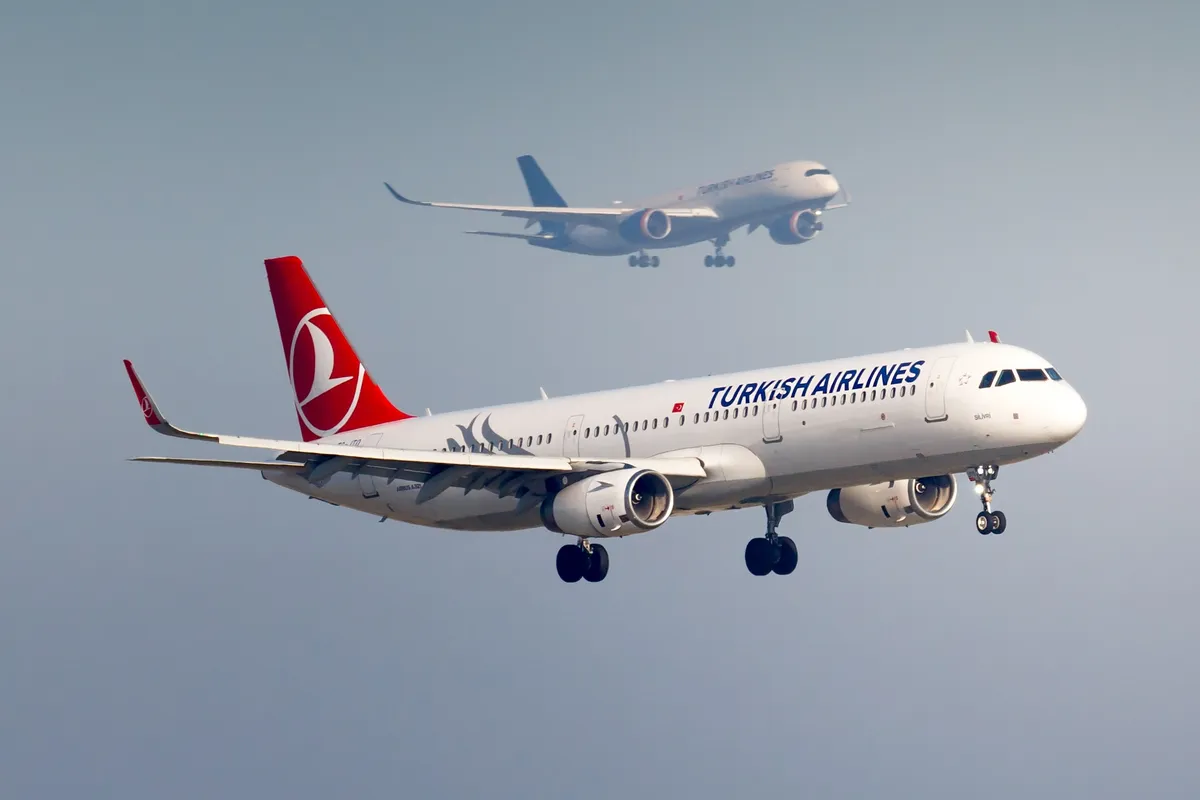
Turkish Airlines has been proactive in expanding its fleet, which grew by 5% year over year to 516 aircraft by the end of 2025. The airline also reported cargo revenue of USD 3.4 billion for the same year, indicating a diverse revenue stream amidst operational challenges.
The exact duration of flight suspensions between Turkey and Iran remains unclear beyond March 13, 2026. As the situation evolves, the impact of geopolitical tensions on future operations of Turkish Airlines remains uncertain. Details remain unconfirmed.
As Turkish Airlines navigates these challenges, the airline’s management continues to monitor the situation closely, aiming to resume normal operations as soon as conditions allow. The airline’s commitment to maintaining safety and reliability for its passengers remains a top priority.