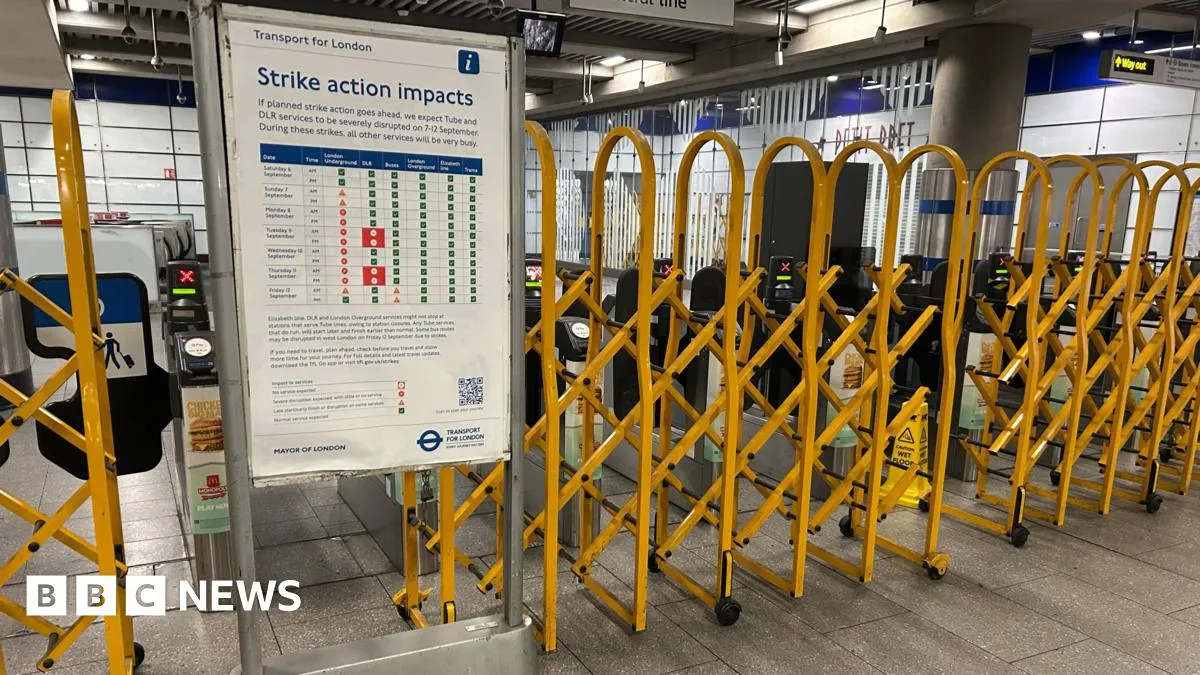
Tube strikes
What are the upcoming tube strikes about?
Tube drivers who are members of the RMT union will begin a series of 24-hour strikes later this month, raising questions about the future of working conditions on the London Underground. The first strike is scheduled for 24-25 March, with additional strikes planned on 26 March, 21 and 23 April, and 19 and 21 May.
Why are the strikes occurring?
The RMT opposes the introduction of a ‘condensed’ four-day working week proposed by Transport for London (TfL). Eddie Dempsey, a representative of the RMT, stated, “London Underground is trying to force through major changes to working patterns that have already been rejected by our members.” The union has raised serious concerns regarding fatigue, safety, and work-life balance associated with the proposed changes.
Who is involved?
The RMT has approximately 1,800 driver members, representing about 40% to 50% of drivers working on the tube. In contrast, the train drivers’ union, Aslef, has supported TfL’s plans for a four-day week. TfL has described the strikes as “completely unnecessary,” arguing that the changes will help improve reliability and efficiency without incurring additional costs.
What has happened previously?
This is not the first time the RMT has taken action against TfL’s proposals. The union staged a week-long strike last September across the London Underground to advocate for a reduction in the length of the working week. Such actions highlight ongoing tensions between the unions and TfL regarding working conditions.
What comes next?
As the planned strikes approach, both the RMT and TfL are likely to continue their public discourse on the matter. The outcome of these strikes may significantly impact the operational capacity of the London Underground and the working conditions of its drivers. Details remain unconfirmed regarding any potential negotiations or resolutions that may arise before the strikes commence.