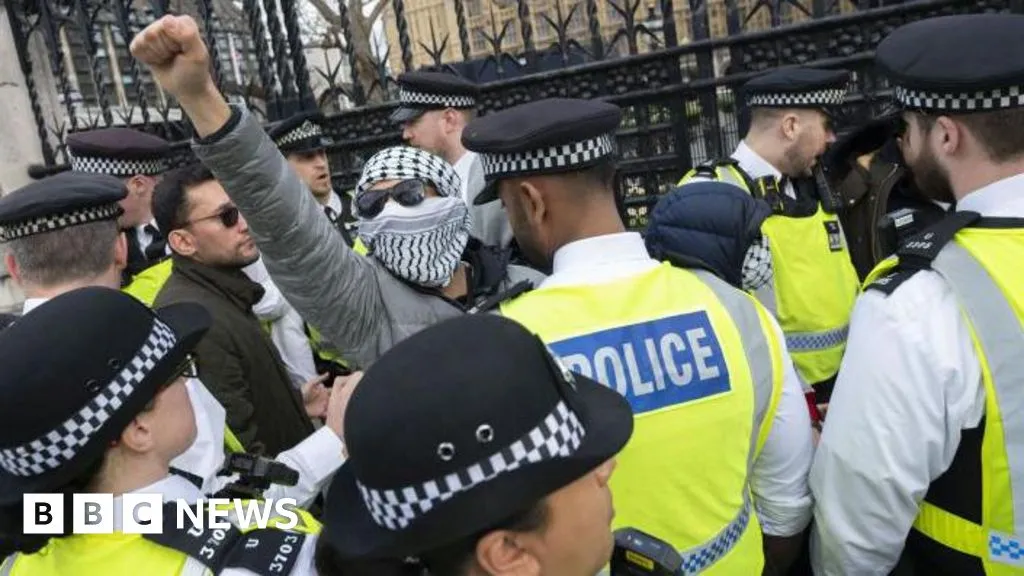
Al Quds Day March Ban in London
Al Quds Day March Ban in London
“The decision to ban it this year is purely based on a risk assessment of this specific protest and counter-protests – we do not police taste or decency or prefer one political view over another, but we will do everything we can to reduce violence and disorder,” stated Assistant Commissioner Ade Adelekan regarding the controversial Al Quds Day march.
The Home Secretary has approved a request from the Metropolitan Police to ban the Al Quds march, a decision that comes amid heightened concerns over public disorder. This marks the first time a protest march has been banned in London since 2012, reflecting a significant shift in the approach to managing public demonstrations.
The Al Quds march, organized by the Islamic Human Rights Commission, has been a focal point of political contention in London. Historically, it has been held annually for 40 years, often drawing attention for its support of the Iranian regime. Previous marches have led to arrests related to antisemitic hate crimes and support for terrorist organizations, raising alarms about potential risks associated with this year’s event.
The ban will take effect from 16:00 hours on Wednesday, March 11, and will last for one month. The decision was influenced by calls from both Labour and Conservative MPs to prevent the march, emphasizing the political sensitivity surrounding the event.
In the past year alone, the UK has foiled 20 Iranian state-backed attacks, further complicating the context in which the Al Quds Day march is situated. The police have indicated that they will impose strict conditions on any static assembly that may occur, aiming to mitigate the risk of violence.
Shabana Mahmood, a prominent MP, expressed her expectations for law enforcement, stating, “I expect to see the full force of the law applied to anyone spreading hatred and division instead of exercising their right to peaceful protest.” This sentiment underscores the delicate balance between upholding the right to protest and ensuring public safety.
Faisal Bodi, a representative of the Islamic Human Rights Commission, noted, “This demonstration has taken place for the last 40 years peacefully,” highlighting the historical significance of the event. However, the current environment has prompted authorities to reassess the risks associated with such gatherings.
As the situation develops, the implications of this ban on future protests and public demonstrations in London remain to be seen. The decision reflects a growing concern over the potential for unrest and the challenges faced by law enforcement in managing politically charged events.