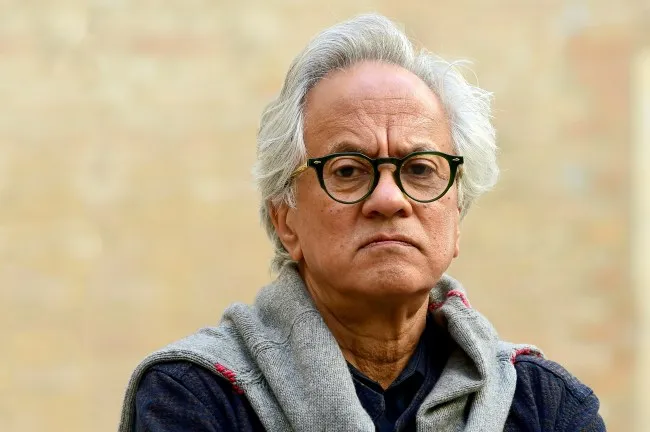
Anish Kapoor
Anish Kapoor stated that the US should be excluded from the Venice Biennale due to its ‘abhorrent politics of hate’ and ‘incessant warmongering’. This statement comes amidst rising tensions surrounding the inclusion of Israel and Russia, which has led to significant backlash within the art community.
The international jury of the Venice Biennale resigned in protest against these inclusions. This resignation has delayed the awarding of prizes until November 2026, affecting over 200 artists. More than 200 participants signed a letter demanding the cancellation of the Israeli pavilion at the Biennale.
Alma Allen is representing the US at this year’s event, but his selection faced scrutiny due to perceived interference from the Trump administration. Critics argue that this interference compromises artistic integrity.
Notably, the Israeli pavilion is not the only controversial aspect of the Biennale — political tensions also surround the Russian pavilion. The Italian ministry of culture confirmed that this pavilion will not be open to the public.
Furthermore, the European Commission plans to terminate or suspend its €2 million grant for the exhibition due to Russia’s involvement. This decision reflects broader geopolitical tensions impacting cultural events.
Jeffrey Uslip commented on artistic expectations, stating, “A lot of people expect abstract work or political work to look a certain way.” This highlights a growing discourse on how art interacts with politics.
Kapoor’s history includes opposing various US presidential regimes, including legal actions against the Trump administration. His latest comments continue this trend, emphasizing how art can serve as a form of political protest.
As observers reflect on these developments, it remains clear that political issues will heavily influence discussions at this year’s Venice Biennale.