Argos Influencer Toy Debate: A Shift in Childhood Play
Prior to March 2026, the landscape of children’s toys was largely dominated by traditional playsets that encouraged imaginative engagement. Toys like doctor kits and kitchens allowed children to mimic adult roles in a safe and creative environment. However, the introduction of Argos’s wooden ‘influencer kit’ aimed at toddlers marks a decisive shift in this paradigm.
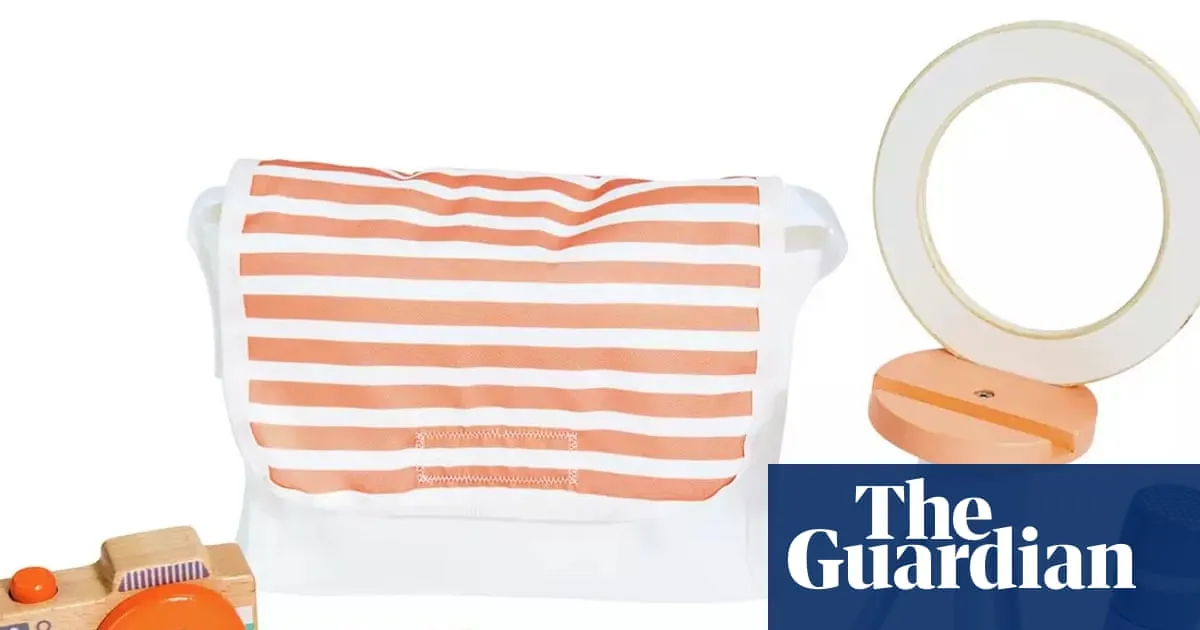
The kit, priced at £15, is designed for children aged two and over and includes a tripod stand, a miniature camera, a smartphone model, a tablet, and a microphone. Critics have raised alarms about the implications of such a product, warning that it could normalize digital labor and the pressures of online visibility from a very young age.
Daisy Greenwell, co-founder and director of Smartphone Free Childhood, expressed concern, stating, “There’s something a bit off about dressing up a very adult, very performative world as a wholesome wooden toy.” This sentiment reflects a growing unease about the commercialization of childhood and the potential impact on young minds.
Dr. Francis Rees, an expert in childhood and digital culture from the University of Essex, added, “What toys like this normalize is the idea that children are not only participants in play, but also potential objects of attention, as individuals who are watched, followed, and engaged with as ‘content’.” This perspective highlights the risks associated with introducing children to influencer culture at such an early age.
Influencer culture has become a dominant force in shaping children’s aspirations, with surveys indicating that being an influencer ranks highest among children’s future career dreams. This trend raises questions about the kind of expectations we are setting for the next generation.
While Argos continues to offer a broad selection of toys that promote imaginative play, the introduction of the influencer kit suggests a troubling shift towards a more performative and market-driven approach to childhood. The toy reflects a cultural moment where digital labor is normalized from an early age, potentially altering the essence of play.
As the debate unfolds, experts are calling for a reevaluation of what toys should represent in a child’s development. Greenwell emphasizes, “The best play is about real life – mud kitchens, toy ovens, doctor kits – children copying the world around them and making sense of it.” This perspective advocates for play that fosters genuine creativity rather than mimicking adult roles tied to visibility and performance.
As stakeholders in childhood development, organizations like Unicef and advocates for children’s rights are likely to weigh in on the implications of such toys. The question remains not only about whether children should engage in play that mimics influencer culture but also about the broader societal risks we are willing to accept.
Details remain unconfirmed regarding the long-term effects of such toys on children’s development, but the Argos influencer toy debate has undoubtedly opened a critical dialogue about the intersection of childhood, play, and digital culture.