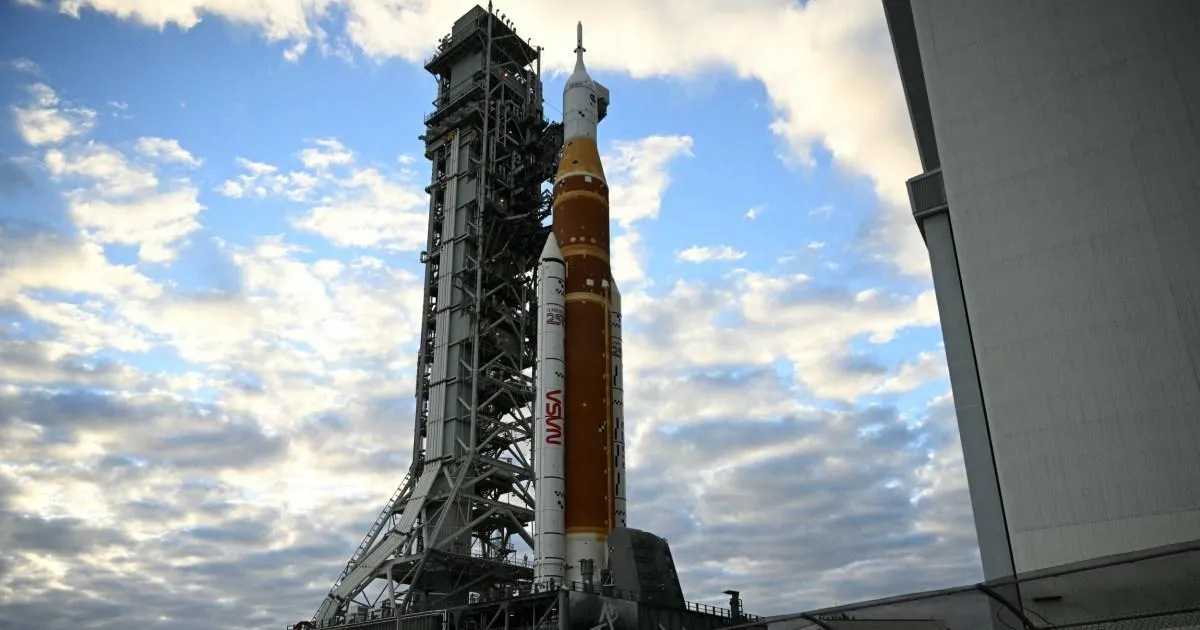
Artemis Rocket Launch: A New Era in Space Exploration
Who is involved
The Artemis II mission is a significant milestone for NASA, aiming to send astronauts near the moon for the first time since the Apollo program. Before this development, expectations were high for a swift progression in lunar exploration, with the Artemis program initially set to launch earlier. However, delays have plagued the mission, primarily due to technical issues that have necessitated a careful approach to ensure mission success.
As of now, the Artemis II launch is scheduled for April 1, 2026, marking a decisive moment in the Artemis program. This mission will last 10 days and will involve a lap around the moon before splashing down in the Pacific Ocean. Notably, this will be the first time in 53 years that humans will leave Low Earth Orbit, a significant leap in human spaceflight capabilities.
The Artemis II crew consists of four astronauts: Reid Wiseman, Victor Glover, Christina Koch, and Jeremy Hansen. This diverse team includes three NASA astronauts and one Canadian astronaut, showcasing international collaboration in space exploration. The anticipation surrounding the launch has led to an estimated 400,000 visitors expected to flock to Florida’s Space Coast, eager to witness this historic event.
Despite the excitement, the Artemis program has faced its share of challenges. The mission has been delayed twice, reflecting the complexities of modern space exploration. Libby Jackson, a prominent figure in the space community, noted, “NASA are just taking their time, and they have to get everything right, and it will launch when it’s ready.” This sentiment underscores the importance of thorough preparation in ensuring the safety and success of the mission.
In terms of historical context, the last time humans were on the moon was during the Apollo 17 mission in 1972. The Artemis II mission not only aims to rekindle human presence near the moon but also serves as a stepping stone towards future missions, including Artemis III, expected to launch in 2027. This long-term vision aims to return humans to the moon and eventually to Mars, expanding our understanding of space.
The Artemis II mission will not land on the moon but will orbit it, a crucial step in preparing for subsequent missions that will involve lunar landings. The mission’s trajectory will cover approximately 1.3 million miles around the moon, further demonstrating the capabilities of modern spacecraft.
As the launch date approaches, the excitement builds, with many sold-out queries for accommodations in the area. The synergy between the Artemis launch and the spring break vacation period has contributed to this surge in interest. “You’re guaranteed to get a beautiful view of the rocket launch at Florida’s Treasure Coast (so long as weather and clouds cooperate),” adds an observer, highlighting the public’s eagerness to witness this historic event.
In summary, the Artemis II mission represents a pivotal moment in space exploration, marking a return to lunar proximity for humans after over five decades. With a carefully selected crew and a focus on safety and preparation, NASA aims to pave the way for future exploration beyond our planet. Details remain unconfirmed as the launch date approaches, but the anticipation continues to grow as the world watches this new chapter unfold in human spaceflight.