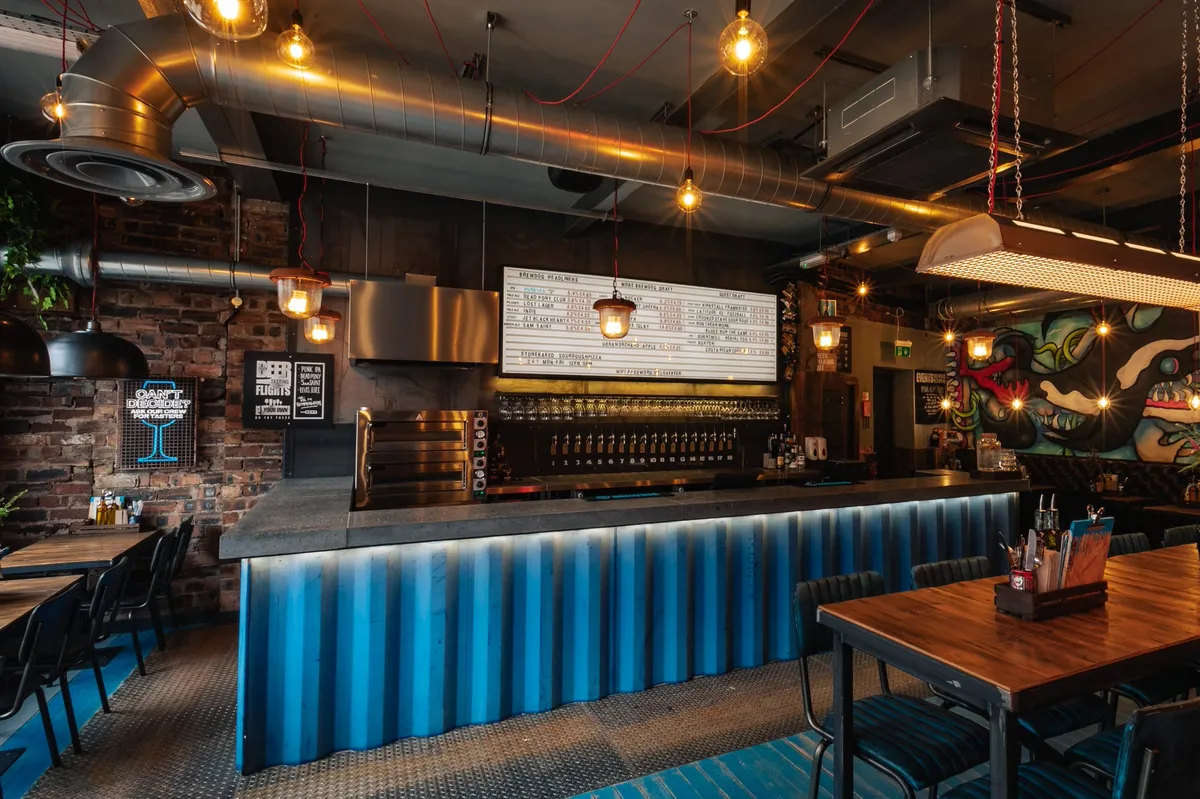
BrewDog Administration: A Distressed Sale Amid Financial Turmoil
What the data shows
BrewDog’s recent administration raises critical questions about the future of one of the UK’s most prominent craft beer companies. The company, which owed over £553.8 million in total book debts at the time of its sale to Tilray Brands, has faced significant financial distress in recent months.
Unsecured creditors in the UK were owed nearly £400 million and are set to receive a payout of less than one pence in the pound, highlighting the dire financial situation. Secured creditors, including HSBC, are expected to face a shortfall of around £85 million. Shareholders, particularly those involved in BrewDog’s ‘Equity for Punks’ crowdfunding scheme, were not anticipated to receive any return on their investments. AlixPartners, appointed as administrator, stated, “On this basis, any shares essentially have no value.”
The sale to Tilray was completed immediately upon AlixPartners’ appointment on 2 March 2026, with the sale price set at £32.9 million. This amount included £10.1 million for intellectual property and £15 million for plant and machinery. Following the administration, BrewDog had to shut 38 pubs and made 484 staff redundant, a move that has drawn criticism from union representatives.
The new owner, Tilray, has expanded its portfolio by adding five former BrewDog sites after the acquisition. Employees were invited to reapply for roles as new teams are assembled, but this has raised concerns. Bryan Simpson, a union representative, described the rehiring invitations as “fire and rehire, plain and simple – and it is morally reprehensible and, in our view, unlawful.” Details remain unconfirmed regarding the exact terms of rehiring for former employees.
Tilray’s immediate focus appears to be on stabilizing operations before pursuing growth. Steven Hill, a spokesperson for the new management, acknowledged the difficulties faced by employees, stating, “We recognise that the last few weeks have been incredibly difficult and will have had a real impact on you and your colleagues.” The buyer has emphasized the importance of reassuring customers and suppliers about payments while making team members feel comfortable in their new roles.
As BrewDog navigates this challenging transition, uncertainties remain regarding the outcome of potential legal challenges under TUPE 2006, which protects employee rights during business transfers. The brewing and hospitality sectors have faced continued pressures, contributing to BrewDog’s distressed sale.
Co-founder James Watt owned 19.15% of the shares in the business at the date of administration, a stake that now appears to hold little value in light of the company’s financial troubles. The future of BrewDog remains uncertain as it embarks on this new chapter under Tilray’s ownership, with stakeholders keenly watching how the situation unfolds.