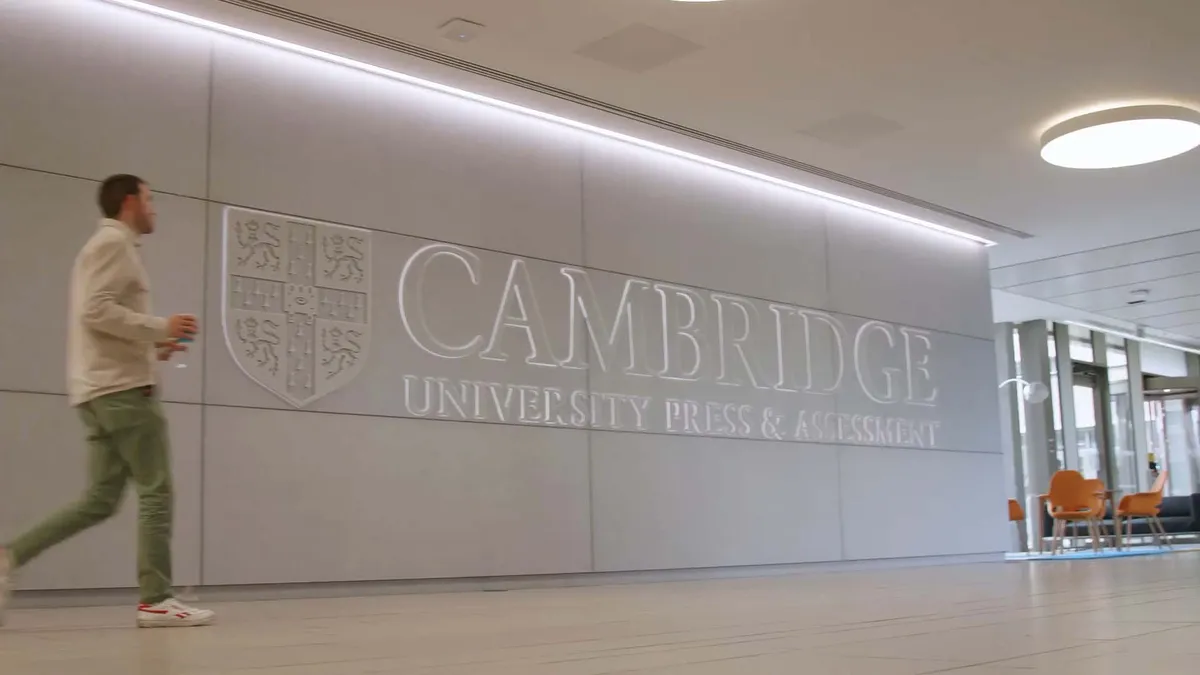
Cambridge’s Partnership with Concrete Rose
The Cambridge’s partnership with Concrete Rose aims to create a self-sustaining financial support system for care leavers in Cambridgeshire. This initiative is part of a broader commitment to address homelessness and financial hardship within the community.
In 2023, The Cambridge pledged £22,500 over three years to Concrete Rose. This funding will directly support various community organizations, including Jimmy’s Cambridge and Reach Haverhill.
Funding allocations include:
- £10,000 for Jimmy’s Cambridge to fund a support worker for housing transition.
- £10,000 for Reach Haverhill to employ a Community Adviser in South Cambridgeshire.
- £3,674 for Cambridge Re-Use to purchase new computer equipment.
Carole Charter, a spokesperson for The Cambridge, stated, “We are proud to support organisations that are making a real and lasting difference to people across our communities.” This sentiment reflects the ongoing efforts to provide essential resources and services to vulnerable populations.
Meanwhile, the defence sector in Cambridge also shows significant activity. In May 2023, the UK Ministry of Defence signed a multimillion-pound contract with Cambridge Aerospace. This contract is expected to create 50 new jobs and includes the delivery of Skyhammer interceptor missiles.
The Skyhammer missiles boast a range of 30 kilometers and can reach speeds of up to 700 km/h. These capabilities highlight advancements in defence technology from local companies like Cambridge Aerospace.
Additionally, Barocal, another Cambridge spinout, secured £7.4 million in seed funding to develop solid-state cooling technology aimed at reducing emissions in the heating and cooling sector. Mark Windeknecht from Barocal noted that their breakthrough could revolutionize energy efficiency in this field.
The combined efforts of these organizations illustrate a robust approach towards community support initiatives and technological innovation within Cambridge. As these projects unfold, they promise not only immediate benefits but also long-term impacts on both social welfare and economic growth.