Castle Howard Exhibition Celebrates 300 Years Since Vanbrugh’s Death
The wider picture
Castle Howard, a prominent stately home in North Yorkshire, England, has launched an exhibition titled ‘Staging the Baroque: Vanbrugh at Castle Howard’ on March 26, 2026. This exhibition marks a significant milestone, commemorating 300 years since the death of the renowned architect and playwright Sir John Vanbrugh, who passed away on the same date in 1726.
Sir John Vanbrugh is celebrated for his contributions to British architecture during the English Baroque period, with Castle Howard being one of his most poetic and enchanting creations. The exhibition features a variety of artifacts, including original letters, 18th-century editions of Vanbrugh’s plays, and engravings from Vitruvius Britannicus, showcasing the depth of his influence on architecture and the arts.
As part of the exhibition, visitors can view a large-scale model of the Castle Howard landscape, which emphasizes the relationship between Vanbrugh’s architectural vision and the surrounding environment. Nicholas and Victoria Howard, descendants of the estate’s original family, expressed their pride in celebrating Vanbrugh’s legacy, stating, “It was Vanbrugh’s vision that brought Castle Howard to life, and now the House has the honour of celebrating its creator.”
In addition to the historical artifacts, the exhibition will also include a new installation by renowned artist Es Devlin, set to be unveiled in the Temple of the Four Winds in June 2026. This installation is part of a broader program for Vanbrugh’s tercentenary year, which encompasses talks, performances, and artist responses aimed at engaging visitors with Vanbrugh’s work.
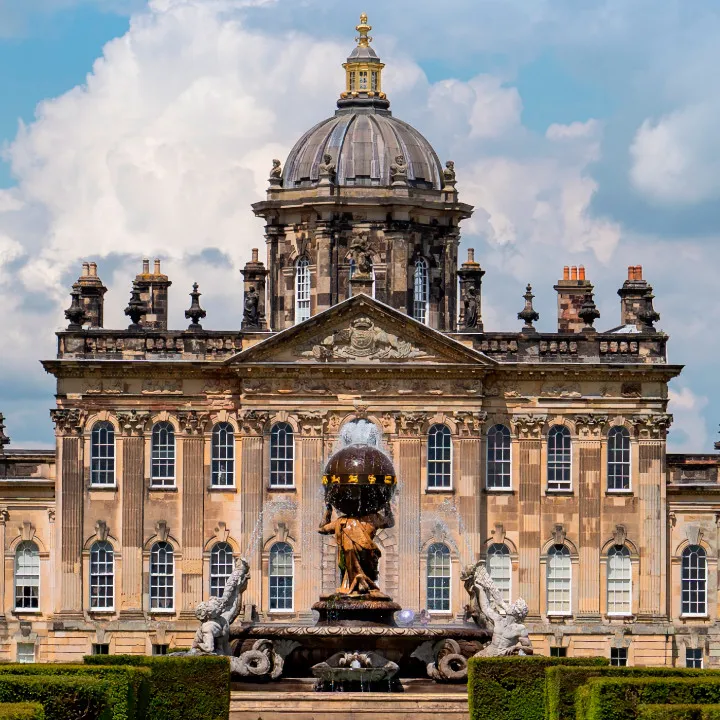
Roz Barr, a key figure in the exhibition’s organization, remarked, “This exhibition celebrates the life and works of John Vanbrugh and the beauty and significance of his work at Castle Howard.” She further hopes that the exhibition will inspire visitors to explore the grounds and appreciate the impact of the house, with its grand elevations and imposing dome, against a backdrop of trees, water, sculpture, and other buildings such as his Temple of the Four Winds and more distant monuments.
The Tapestry Drawing Room at Castle Howard, which was recently renovated after suffering a fire in the 1940s, serves as a poignant reminder of the estate’s storied past and its ongoing preservation efforts. Vanbrugh’s buildings are characterized by boldness, theatricality, and monumentality, elements that continue to draw visitors to Castle Howard.
Sir Charles Saumarez Smith, a prominent figure in the architectural community, noted the growing recognition of Vanbrugh’s originality, stating, “Five years ago, I thought no-one was interested in Vanbrugh. Now, people are recognising his originality.” This shift in perception underscores the importance of the current exhibition in reigniting interest in Vanbrugh’s contributions to architecture and culture.
As the exhibition unfolds, observers anticipate a renewed appreciation for the intricate relationship between architecture and landscape that Vanbrugh so masterfully crafted at Castle Howard. The legacy of Sir John Vanbrugh continues to resonate, inviting both historical reflection and contemporary engagement with his work.