Chernobyl
The recent Russian drone attack on Chernobyl has raised alarms about the potential for another nuclear disaster in Ukraine. This incident jeopardizes international collaboration efforts aimed at ensuring nuclear safety at the site.
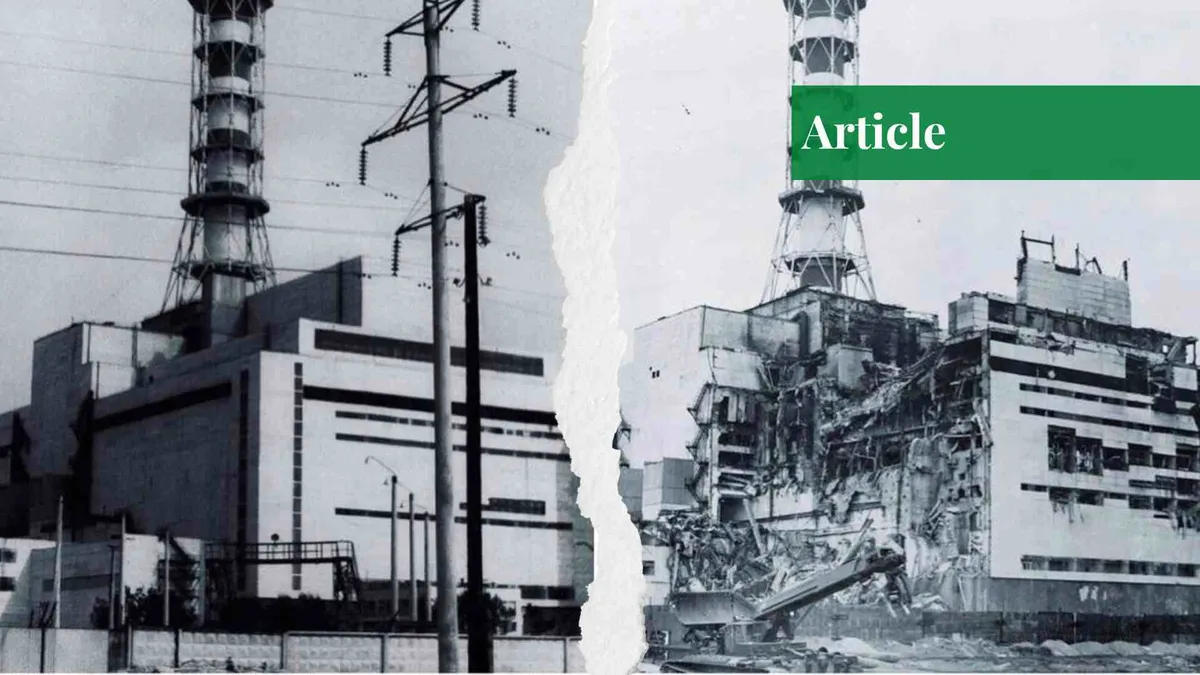
Chernobyl was the site of the world’s most serious nuclear accident in 1986, when reactor No 4 was completely destroyed in an explosion. Since then, international efforts have focused on preventing similar incidents.
In March 2022, Russian forces occupied the Zaporizhzhia Nuclear Power Plant, which has experienced its 13th blackout since the invasion began. Experts warn that despite all six reactors being turned off, the situation remains highly concerning.
A Russian drone attack last year pierced the protective outer shell around Chernobyl’s reactor No 4. This breach raises significant concerns about potential radiation release and its implications for surrounding areas.
Volodymyr Zelenskyy and other officials have stressed the importance of international collaboration to address these nuclear risks. The Doomsday Clock currently stands at 85 seconds to midnight, marking the closest it has ever been, underscoring the urgency of these challenges.
Most workers at the Zaporizhzhia plant are from Russian facilities rather than Energoatom, the Ukrainian state nuclear company. This shift complicates oversight and safety protocols at a critical facility.
Experts like Alexandra Bell emphasize that we are extremely close to multiple potential catastrophes in the nuclear space. Shaun Burnie insists that Rosatom must be prevented from attempting to restart one or more reactors.
The implications of these events extend beyond immediate safety concerns; they reflect a broader lack of urgency among policymakers globally regarding nuclear safety challenges. Volodymyr Kholosha pointed out that Russia has failed to learn the lessons of Chernobyl, indicating a troubling pattern of neglect towards established protocols.
As tensions persist and international dialogue continues, it is crucial to monitor developments closely—especially as key figures like Rafael Grossi and Odile Renaud-Basso engage in discussions about ensuring safety at these vulnerable sites.