Chernobyl: The Aftermath of a Nuclear Disaster
The Chernobyl disaster occurred on April 26, 1986, releasing a radioactive cloud across Europe. This catastrophic event led to the evacuation of 115,000 people from the surrounding area, marking it as one of the world’s worst civilian nuclear accidents. In the immediate aftermath, 31 plant workers and firefighters succumbed to radiation poisoning shortly after battling the blaze.
In response to the disaster, authorities established a 2,600 km² exclusion zone around Chernobyl—prohibiting human activity in an area that would become a unique ecological experiment. Over the past four decades, this zone has transformed into one of Europe’s largest nature reserves, where wildlife populations have significantly increased since human presence diminished.
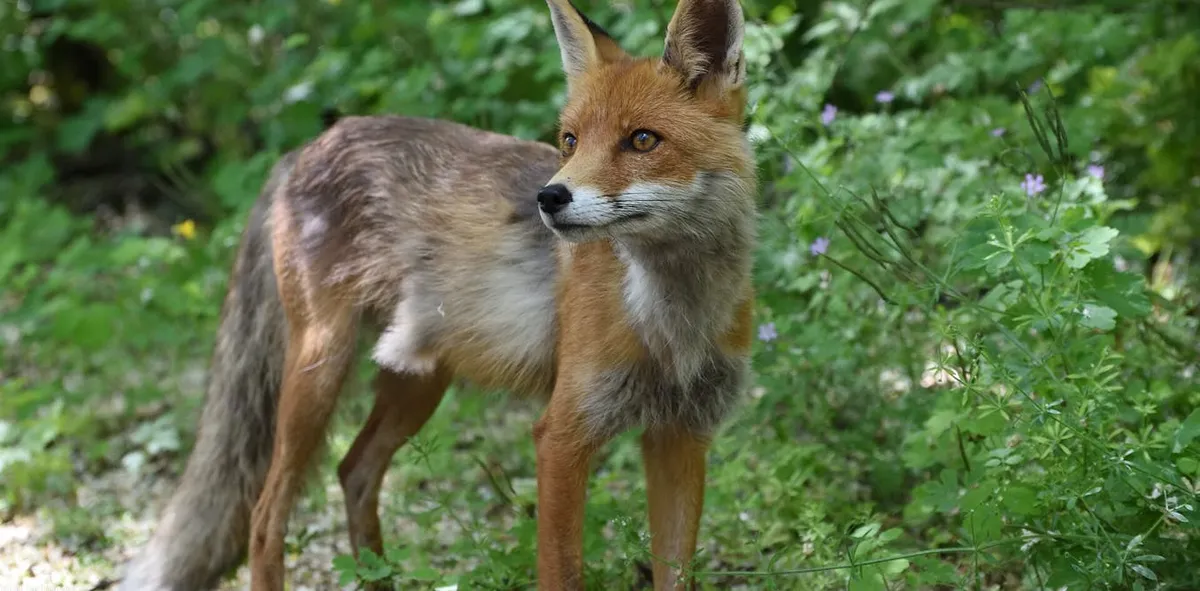
Species such as wolves, foxes, elk, and wild boar have thrived in this previously populated landscape. Remarkably, Przewalski’s horses were reintroduced in 1998; their population has now grown to over 150. This resurgence illustrates how wildlife can rebound when given space and protection from human interference.
Yet not all species have fared equally well. Some are experiencing reduced reproductive success and high mutation rates due to radiation exposure. For instance, studies indicate that while radiation has harmed certain organisms, the absence of human hunting and development has had a more positive impact on animal numbers overall.
Among the unique findings in this exclusion zone is Cladosporium sphaerospermum—a melanin-rich fungus. Research indicates that under specific conditions, radiation may help this fungus grow faster instead of harming it. Experiments have shown growth rates up to 500 times background levels of radiation. Furthermore, a layer of this melanized fungus can reduce radiation readings by approximately 2%.
Another fascinating aspect is how some species have adapted to their radioactive environment. Tree frogs in Chernobyl have changed color as a survival mechanism—demonstrating nature’s resilience in adapting to extreme conditions. The greater spotted eagle, classified as globally endangered, has also returned to nest in the area, highlighting the complex interplay between wildlife and environmental changes.
The situation at Chernobyl matters not just for ecological research but also for understanding how ecosystems recover when undisturbed. It serves as a case study for conservationists and scientists worldwide who seek insights into resilience amidst adversity.
As we look forward, Chernobyl remains a poignant reminder of both human error and nature’s capacity for recovery. The ongoing research into its ecological dynamics continues to reveal unexpected outcomes—underscoring that even in devastation, life finds a way to persist and adapt.