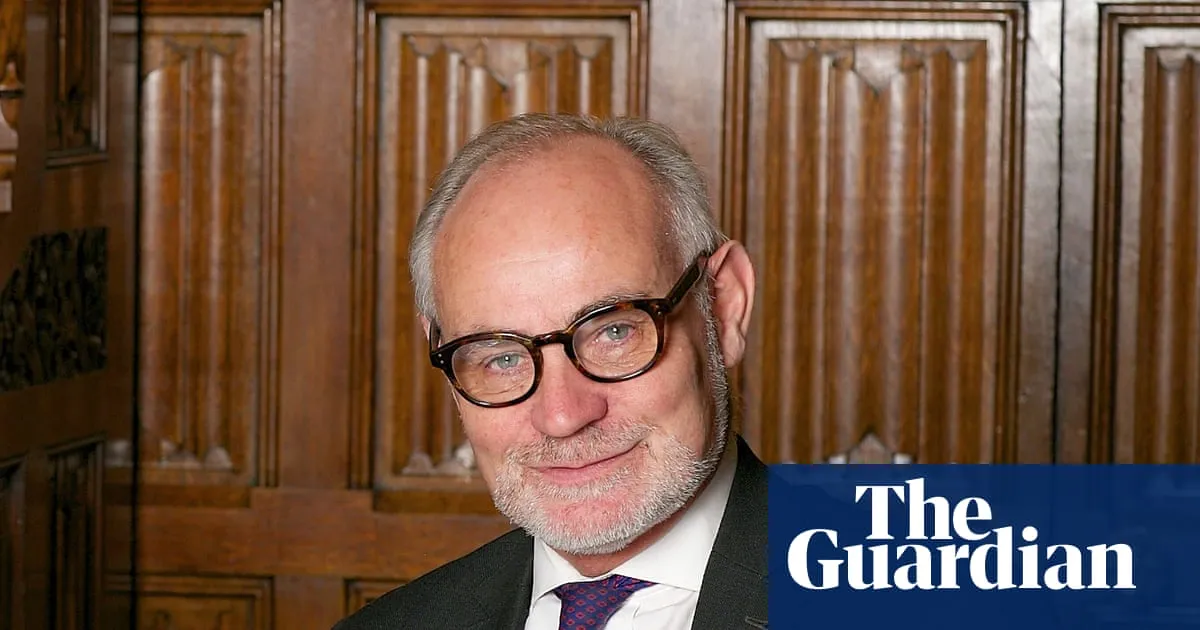
Crispin Blunt Charged with Drugs Offences
On March 25, 2026, Crispin Blunt appeared at Westminster Magistrates’ Court where he was charged with four drugs offences. The charges stemmed from a police investigation that initially focused on allegations of rape, during which drugs were discovered. Blunt, who represented Reigate from 1997 until he stood down in 2024, pleaded guilty to one count of possessing a controlled drug of class A and three counts of possessing controlled drugs of class B.
Malcolm McHaffie, a representative from the Crown Prosecution Service, stated, “We have decided to charge Crispin Blunt, 65, with four drugs offences – one count of possessing a controlled drug of class A and three counts of possessing a controlled drug of class B.” The class A drug involved is alleged to be methamphetamine, while the class B drugs include GBL, cannabis, and amphetamine.
Blunt’s legal troubles began in October 2023 when he lost the Conservative whip following his initial arrest. He had previously served as a justice minister from 2010 to 2012 and chaired the Commons foreign affairs committee from 2015 to 2017. Despite the serious nature of the allegations, no charges were brought against him regarding the rape allegation due to insufficient evidence.
In court, Deputy Chief Magistrate Tan Ikram remarked on Blunt’s previous role as a public servant, stating, “As a former minister for prisons, probation and justice, you – like all public servants – served as a role model to all.” He also acknowledged Blunt’s views on drug policy, saying, “I do note your views and your position on prohibition of possession and usage of drugs.”
Blunt has claimed that his involvement in hosting chemsex parties was intended to inform government policy reform. Following his guilty plea, he was fined £1,200 by the court. This case highlights the complexities surrounding drug policy and the responsibilities of public figures.
Currently, Crispin Blunt’s political career appears to be effectively over, having lost his position and the Conservative whip. His actions and the subsequent legal consequences reflect broader societal issues regarding drug use and the role of politicians in addressing these challenges.
The situation remains fluid, with potential implications for future discussions on drug policy reform in the UK. Blunt’s case serves as a reminder of the scrutiny faced by public figures and the consequences of their actions.
Details remain unconfirmed.