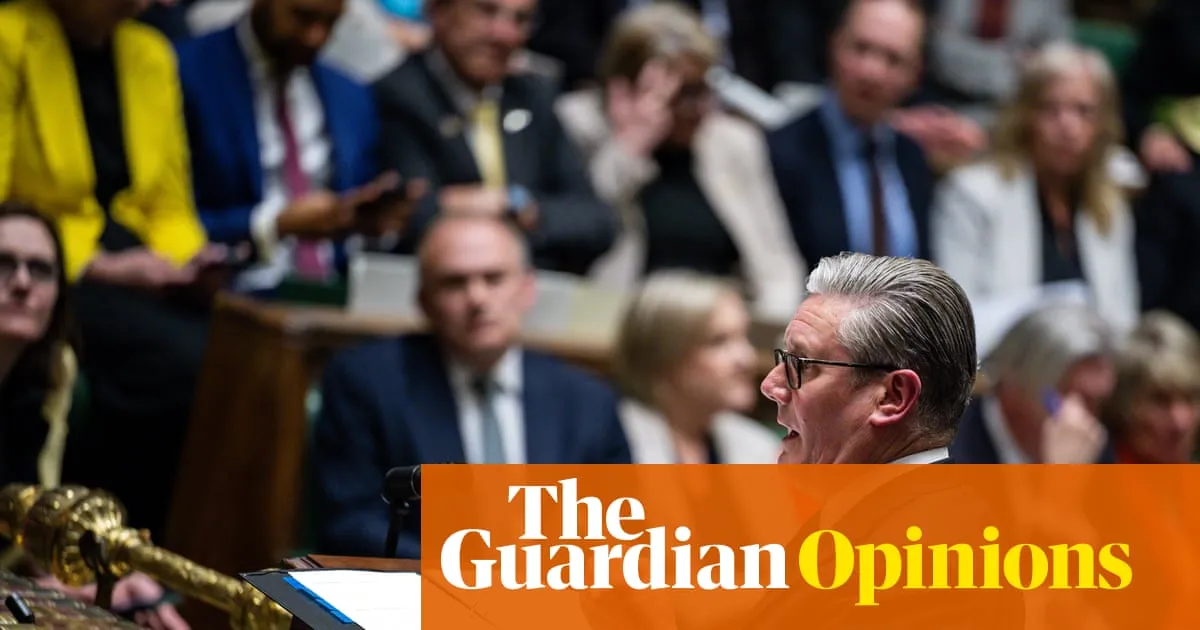
Diane Abbott Questions Keir Starmer on Peter Mandelson’s Appointment
Diane Abbott’s recent criticism of Keir Starmer highlights a significant concern regarding the vetting process for high-profile government appointments. On April 20, 2026, during a session in the House of Commons, Abbott questioned why Starmer did not ensure that Peter Mandelson had passed security vetting before his controversial appointment as ambassador to the United States. This inquiry underscores a broader scrutiny of leadership decisions within the Labour Party.
Starmer admitted that he was not informed that Mandelson had failed the Foreign Office vetting process prior to his appointment. This revelation is particularly troubling given that Mandelson has a history—he was fired from government twice before being considered for this ambassadorial role. The implications of such an oversight raise serious questions about the judgment exercised by senior party officials.
Following these disclosures, Starmer took decisive action by sacking Olly Robbins, the top civil servant in the Foreign Office. This move indicates an acknowledgment of missteps within the vetting process. Despite this, the appointment of Mandelson continues to attract criticism from various MPs, suggesting that doubts about Starmer’s leadership are far from resolved.
Abbott, known as the “Mother of the House” for being the longest-serving female MP in Commons history, articulated her concerns sharply: “It’s one thing to say, as he [Starmer] insists on saying, ‘Nobody told me, nobody told me anything… The question is, why didn’t the prime minister ask?” Her remarks reflect a growing sentiment among party members who are questioning not only individual appointments but also the overall decision-making framework within the party.
In response to these mounting criticisms, Starmer remarked that “many will find these facts to be incredible.” He further expressed disbelief over how critical information could be withheld from senior ministers throughout this timeline. This statement illustrates not just an internal conflict but also potential vulnerabilities in governance and transparency at high levels of leadership.
The ongoing scrutiny surrounding Mandelson’s appointment has led to a ripple effect within party dynamics. It has prompted discussions about accountability and trust in leadership roles. Furthermore, it raises essential questions about how future appointments will be handled and whether similar oversights can be avoided going forward.
Details remain unconfirmed regarding any immediate changes to policies or procedures that might arise from this controversy. However, it is clear that Abbott’s concerns resonate with many who are watching closely how Starmer navigates this challenging situation.