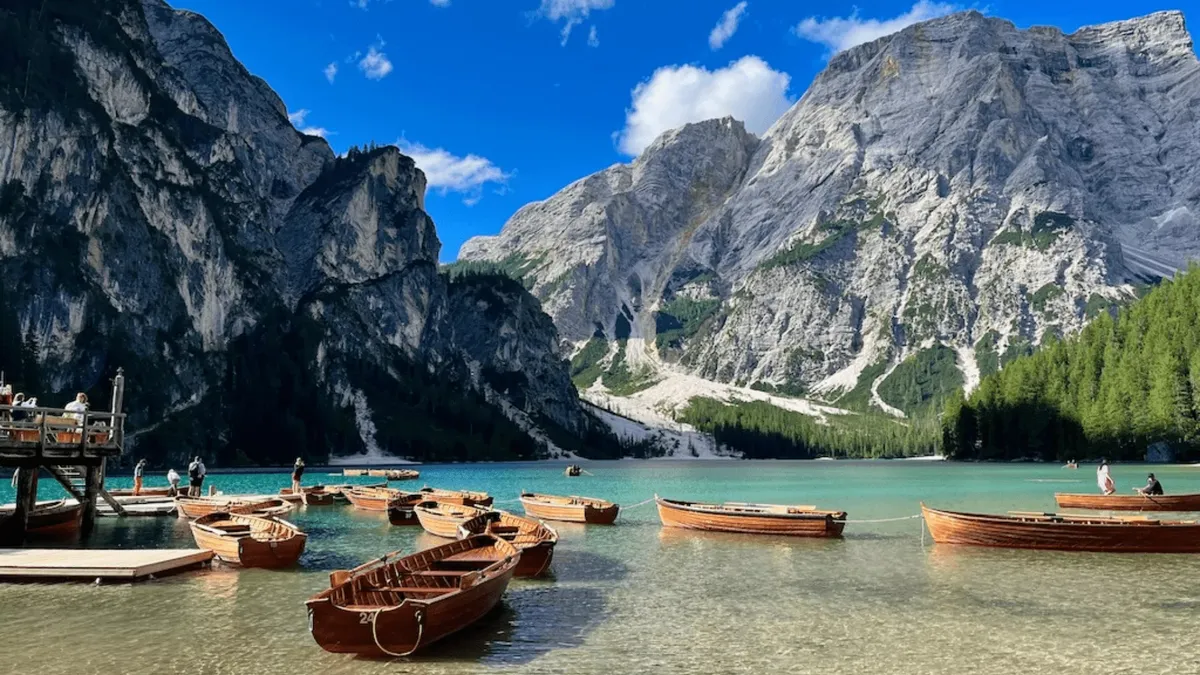
Dolomites: A Hub of Winter Sports and Sustainable Development
Reaction from the field
The Dolomites, renowned for their stunning beauty, are experiencing a transformative phase as they embrace sustainable development while enhancing their appeal as a winter sports destination. The Carezza Dolomites ski resort, in particular, is making significant strides in this direction, with an investment that is projected to generate around €100 million in annual added value.
This initiative is not merely about boosting economic figures; it aims to secure approximately 800 year-round jobs for the local community. The project has already been presented to the municipal council, signaling a commitment to ensuring the long-term viability of skiing for both locals and visitors alike. As Stefan Bogner aptly put it, “The Dolomites are one of the most beautiful landscapes in the world – and even more magical in winter.” This sentiment resonates deeply with the region’s stakeholders as they seek to balance tourism with environmental stewardship.
Cortina d’Ampezzo, a key player in the Dolomites’ tourism landscape, has been a popular destination since it hosted its first Winter Olympics in 1956. The legacy of this event continues to shape the region’s identity, attracting winter sports enthusiasts from around the globe. The area is home to a range of accommodations, including the Como Alpina Dolomites with 60 rooms, the Aman Rosa Alpina featuring 51 rooms, and the historic Ancora Cortina hotel, originally built in 1826.
Moreover, the hospitality sector is evolving, with the Hotel Cristallo set to reopen as the Mandarin Oriental Cristallo, enhancing its luxury offerings. The Miramonti hotel, with 44 rooms, and the Berghoferin Fine Hotel & Hideaway, boasting 13 suites, further contribute to the diverse lodging options available in the region.
In addition to traditional accommodations, unique options like the White Deer chalet, which sleeps six adults and four children, cater to families seeking a cozy retreat in the heart of the Dolomites. This variety not only enriches the visitor experience but also supports the local economy by attracting different types of tourists.
The Carezza Dolomites project also emphasizes sustainability by utilizing overflow from streams to fill its reservoir, showcasing a commitment to environmental responsibility. This approach is crucial as the region grapples with the impacts of climate change on winter sports, ensuring that skiing remains a viable activity for years to come.
As the Dolomites continue to evolve, the focus on sustainable development and economic impact will likely shape future initiatives. However, details remain unconfirmed regarding the full scope of these projects and their long-term effects on the local community and environment.