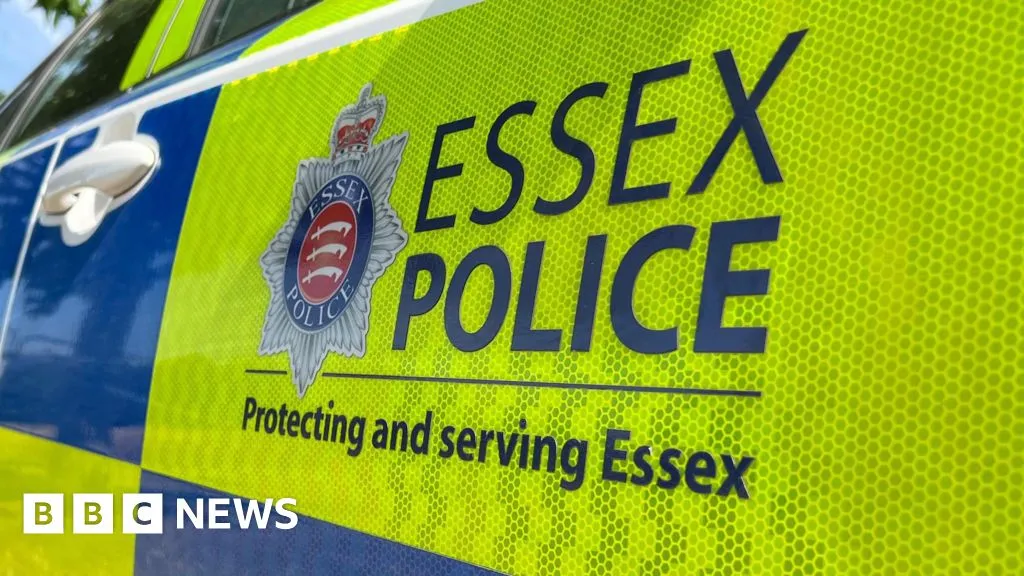
Essex Police Officer Misconduct: James Hicks Found Guilty of Gross Misconduct
In a significant development concerning law enforcement accountability, James Hicks, a former temporary sergeant with Essex Police, has been found guilty of gross misconduct. This case raises critical questions about the conduct expected from police officers, particularly those in supervisory roles.
Hicks, who had nine years of service, was under heightened scrutiny due to his position within the force. The misconduct panel determined that Hicks had ignored a nearby emergency call while on duty, a serious breach of his responsibilities. Instead of responding to the call, he turned off his radio and visited a female police staff member with whom he was in a relationship.
During the investigation, it was revealed that Hicks had attended the female staff member’s home without any policing purpose. This behavior is particularly concerning given the trust placed in police officers to prioritize public safety. Furthermore, Hicks used Microsoft Teams to share an image of a police-related incident with her, further blurring the lines between personal and professional conduct.
While parked alone in a marked police car, Hicks failed to respond to an emergency call, which could have had serious implications for public safety. The panel found the allegations against him to be substantiated, concluding that his actions amounted to gross misconduct. Had he not already resigned from the force, Hicks would have faced dismissal without notice.
Chief Constable Harrington expressed disappointment at Hicks’s actions, stating, “I expect supervisors to lead and set an example, supporting their colleagues and being available to respond to the needs of the public.” This statement underscores the expectations placed on officers, particularly those in leadership positions.
As a consequence of his misconduct, Hicks will be placed on the Police Barred List, effectively preventing him from serving in any police capacity in the future. This decision reflects the seriousness of his actions and the commitment of Essex Police to uphold standards of conduct within the force.
The wider picture
The case of James Hicks highlights ongoing concerns regarding police officer conduct and accountability. As public scrutiny of law enforcement practices continues to grow, incidents like this serve as a reminder of the importance of maintaining integrity and professionalism within the police force. The implications of this case may lead to further discussions about the standards expected from police officers and the mechanisms in place to ensure accountability.