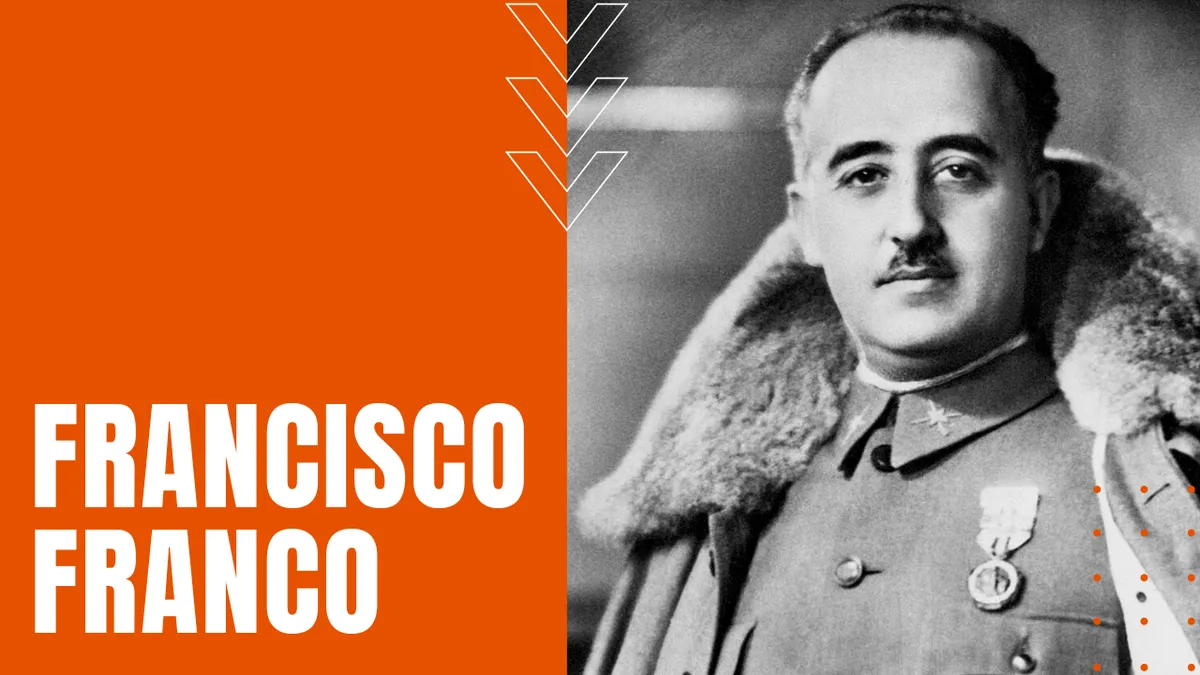
Franco Regime Pardons 53 Women Incarcerated for Socially Unacceptable Behavior
Background on the Board for the Protection of Women
The Board for the Protection of Women was established in 1902 during the Franco regime to control female behavior, reflecting the authoritarian nature of the government at that time. This institution operated under the auspices of religious orders and was responsible for the incarceration of women who exhibited behaviors deemed socially unacceptable. The board remained active until its closure in 1985, during which time it received numerous declarations from women who had been subjected to its regulations.
Recent Developments
On March 20, 2026, the Spanish government announced a formal pardon for 53 women who had been incarcerated by the Franco regime. This decision is part of Spain’s broader Memory Law, which aims to recognize and address the injustices faced by victims of Francoist repression. The women, many of whom were imprisoned for reasons such as being ‘too fond of the street’ or discussing sexuality, are now officially acknowledged as victims of a regime that sought to control and suppress women’s rights.
Statements from Officials
The Ministry of Democratic Memory stated that “any punishment, whether legal or administrative, they had suffered was null and void.” This statement underscores the government’s commitment to rectifying past wrongs and acknowledges the suffering endured by these women under the oppressive regime. Historian Carmen Guillén commented on the board’s operations, noting that “the board could rely on broad public support and people became its ally and accomplice,” highlighting the societal complicity in the repression of women’s rights during this period.
Significance of the Pardon
This pardon is seen as more than just a symbolic gesture; it represents a significant step in the ongoing debates surrounding historical memory, justice, and the legacy of the Franco era. Observers note that the recognition of these women’s experiences is crucial for healing and reconciliation in a society still grappling with the impacts of its past. The pardon also reflects a growing awareness and acknowledgment of the injustices faced by women during this dark chapter in Spanish history.
Future Implications
As Spain continues to confront its historical injustices, the pardon of these 53 women may pave the way for further actions aimed at addressing the legacy of the Franco regime. More than 1,600 declarations have been received from women who passed through the institutions operated by the Board for the Protection of Women, indicating a broader need for recognition and reparations. The government’s actions may inspire additional measures to support victims of Francoist repression and ensure that such injustices are not forgotten.
The formal pardon of these women is a critical moment in Spain’s journey towards acknowledging its past. It highlights the importance of historical memory and the ongoing struggle for justice and recognition of victims of the Franco regime. As discussions around these issues continue, the hope is that Spain will move closer to a comprehensive understanding and reconciliation of its historical narrative.