Fuel Protests Northern Ireland: Rising Costs Spark Public Outcry
What are the implications of the ongoing fuel protests in Northern Ireland? The protests, which have emerged in response to soaring fuel costs, highlight significant public frustration and demand for government action.
According to reports, the Ulster Unionist Party has acknowledged the widespread discontent among citizens regarding the rising costs of fuel and fertilizers, which are impacting both individuals and businesses. The party has called for a substantial cut in fuel duty from the UK Government to alleviate the financial burden on the public.
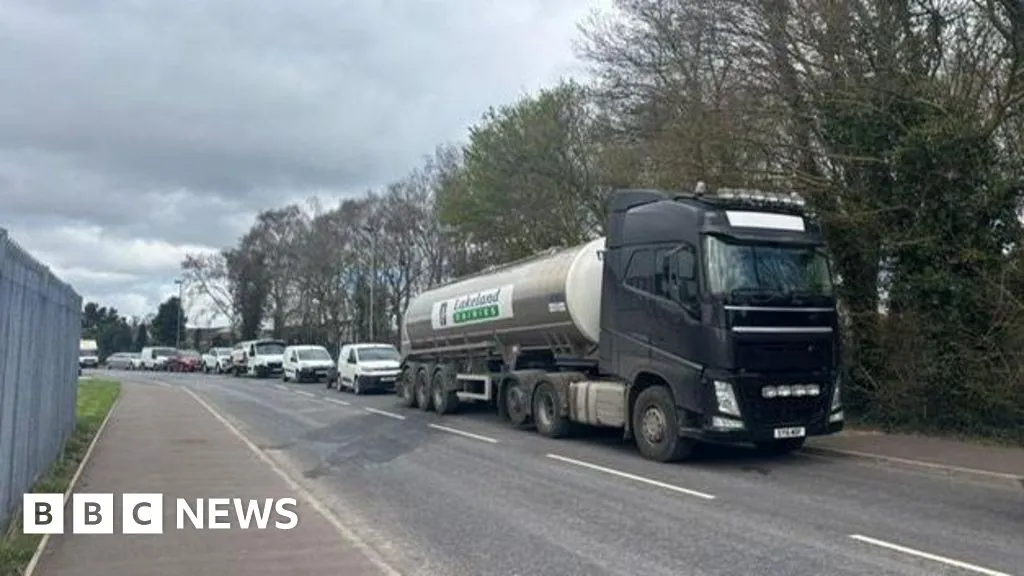
Protesters have been warned to ensure that their demonstrations remain lawful and do not obstruct emergency services. Nevertheless, slow-moving convoys have already disrupted traffic, prompting drivers to allow extra time for their journeys.
Truck driver Sonny Boyd expressed the urgency of the situation, stating that the cost of fuel is “crazy” and emphasizing the need for government intervention. He remarked, “We just need the government to step in and help us because we can’t do this any longer.” Boyd’s sentiments reflect a growing consensus among protesters that immediate action is necessary.
The protests are not only about fuel prices but also encompass broader economic concerns. Farmers are particularly affected by rising fertilizer costs, which are expected to impact food prices in the near future. This situation underscores the interconnectedness of fuel prices and agricultural economics.
As the protests continue, the Ulster Unionist Party has reiterated that while everyone has a legitimate right to protest, it is a qualified right that must not hinder public safety. A spokesperson stated, “These are the people being punished simply for going out to work and keeping our economy moving.” This highlights the delicate balance between the right to protest and the need for public order.
Looking ahead, the outcome of these protests remains uncertain. The government’s response to the calls for intervention will be critical in determining whether the public’s frustrations will lead to meaningful changes in fuel pricing and economic policy.
Details remain unconfirmed regarding the potential for further protests or government actions in response to the ongoing situation. As the public continues to voice their concerns, the pressure on policymakers is likely to increase.