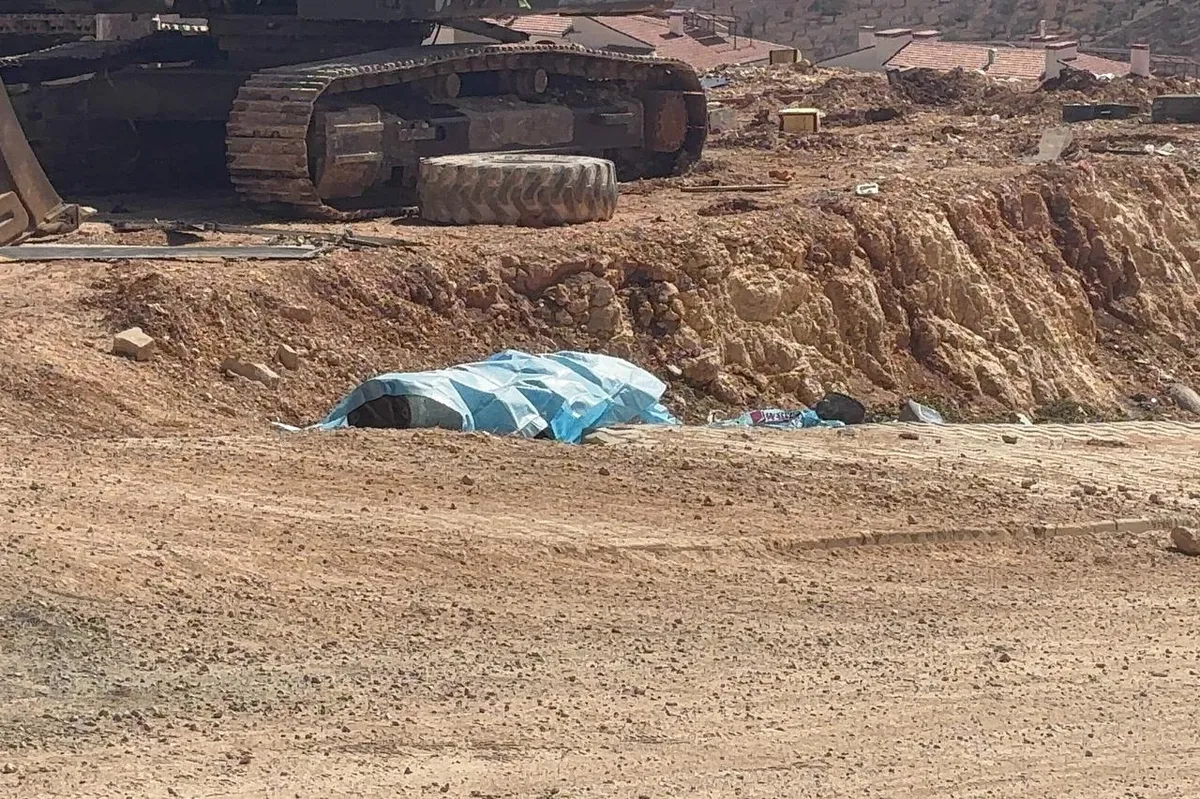
Gaziantep missile incident raises regional security concerns
Background and Initial Expectations
Prior to the missile incident on March 9, 2026, Gaziantep, a city in Türkiye, had been relatively stable in terms of security, particularly concerning its airspace. The region had not faced direct threats of missile attacks from neighboring countries, and the presence of NATO defense systems was seen as a deterrent against potential aggressions. Türkiye had maintained a focus on fostering good neighborly relations, emphasizing regional stability and cooperation with its allies.
Decisive Moment: The Missile Incident
However, this perception shifted dramatically when a ballistic missile was fired from Iranian territory, entering Turkish airspace. The missile was intercepted by NATO air and missile defense systems, which successfully neutralized the threat before it could cause any damage. The debris from the missile fell in the Guneysehir neighborhood of the Sahinbey district in Gaziantep, landing in uninhabited areas described as empty land. Fortunately, no casualties or injuries were reported from this incident, marking a fortunate outcome amid a potentially dangerous situation.
Immediate Effects on Regional Dynamics
The immediate aftermath of the missile incident prompted strong reactions from various parties involved. Azerbaijan condemned the missile attack against Türkiye, expressing solidarity with its neighbor. This incident not only highlighted the potential for conflict but also reinforced alliances within the region, as Azerbaijan’s response indicated a united front against perceived threats from Iran. Türkiye’s Ministry of National Defense reaffirmed its commitment to protecting its territory and airspace, stating, “Türkiye places great importance on good neighborly relations and regional stability; however, we reiterate that we will take all necessary steps with persistence and without hesitation against any threat to our country’s territory and airspace.”
Expert Perspectives on the Shift
Experts have noted that this incident marks a rare occurrence of a ballistic missile launched from Iranian territory entering Turkish airspace, which raises significant concerns about regional security. Burhanettin Duran, an analyst, remarked, “A ballistic missile fired from Iran and directed at our country was engaged in a timely manner and neutralized by NATO air and missile defense systems in Gaziantep’s Sahinbey district airspace.” This incident serves as a reminder of the fragile security dynamics in the region, where actions taken by one country can have immediate repercussions for its neighbors.
Long-term Implications
The long-term implications of the Gaziantep missile incident are still unfolding. While the immediate threat was neutralized, the event has sparked discussions about the adequacy of current defense measures and the need for enhanced cooperation among regional allies. The incident could lead to increased military readiness and strategic planning among NATO member states and their partners in the region, as they assess the potential for future threats.
As the situation develops, the focus will likely remain on maintaining stability in the region and addressing the underlying tensions that led to the missile launch. The Gaziantep incident serves as a critical reminder of the complexities of regional security and the importance of diplomatic efforts to prevent escalation. Details remain unconfirmed regarding any further actions or responses from Iran following this incident, but the ramifications are expected to resonate throughout the region for some time.