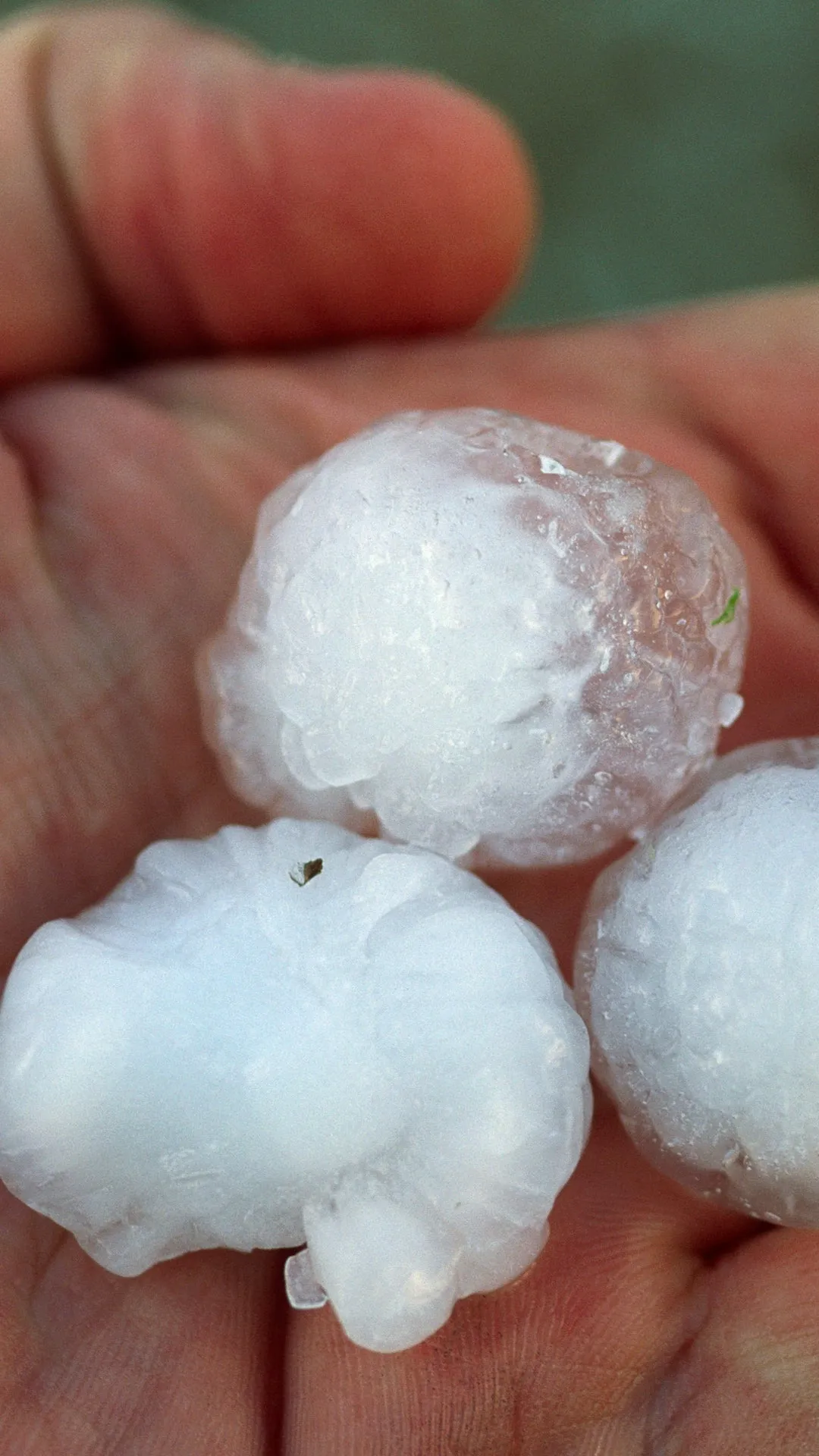
Hailstones: Record-breaking reported in Alabama and Illinois
Key moments
On March 19, 2018, Alabama experienced a significant weather event as supercell thunderstorms unleashed hailstones larger than grapefruit across northern regions. This unprecedented storm set the state’s first official hail record, marking a notable moment in Alabama’s meteorological history.
The National Weather Service reported a remarkable hailstone measuring 5.38 inches wide and weighing 9.8 ounces, which surpassed Alabama’s previous largest known hailstone of 4.25 inches. This record-breaking event has raised awareness about the potential severity of hailstorms in the area.
In a related development, Kankakee, Illinois, reported a six-inch hailstone, which, if confirmed, could break the current state record of 4.75 inches set in June 2015. The emergence of such large hailstones in both states underscores a concerning trend in severe weather patterns across the Midwest.
Hail poses significant risks, capable of damaging aircraft, homes, and vehicles, while also threatening livestock and human safety. The formation of hail occurs when raindrops are propelled upward by thunderstorm updrafts into extremely cold atmospheric regions, where they freeze and accumulate in size.
Historically, the largest hailstone recovered in the United States was recorded near Vivian, South Dakota, measuring eight inches in diameter on June 23, 2010. Storms producing hail of one inch or greater are classified as severe, and the recent events in Alabama and Illinois highlight the potential for such storms to escalate in intensity.
Moreover, hailstorms have resulted in significant economic impacts, with a handful of storms causing over $1 billion in damages across the U.S. The April 10, 2001 storm remains the costliest, with property damage exceeding $2.5 billion in 2018 dollars, emphasizing the financial implications of severe weather.
As meteorologists continue to monitor these developments, officials and residents alike are urged to remain vigilant. The increasing frequency and intensity of hailstorms may necessitate further discussions on preparedness and response strategies to mitigate damage and protect lives.
Details remain unconfirmed regarding the full extent of damages from the recent storms, but the records set in Alabama and Illinois are likely to prompt further investigation into the changing dynamics of severe weather in the region.