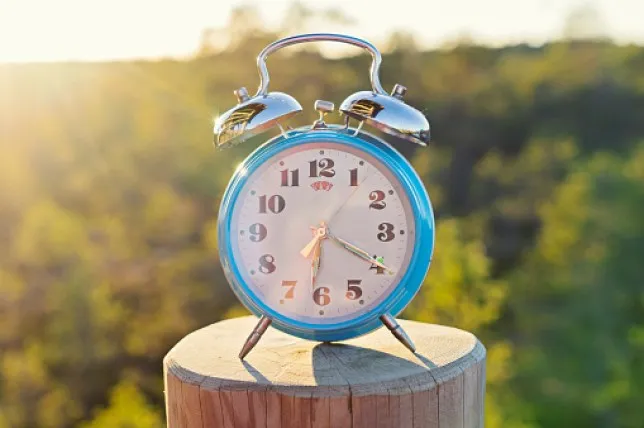
Have the clocks gone forward? Daylight Saving Time changes in the UK
Daylight Saving Time (DST) was first proposed by William Willett in 1907, and the practice was first adopted by Germany in 1916. In the United Kingdom, the clocks go forward by one hour at 1am on the last Sunday in March, marking the beginning of British Summer Time (BST), which lasts until the final Sunday in October when the clocks revert back.
On March 29, 2026, the clocks indeed went forward by an hour, prompting many to question the ongoing relevance of this time change. Recent polling indicates that 59% of Britons would prefer to remain on BST permanently if the time changes were abolished.
Health experts have raised concerns about the implications of DST. Research shows a 24% increase in heart attacks on the day following the switch to daylight saving time, alongside an 8% rise in hospital admissions for strokes in Finland. Dr. John O’Neill remarked, “It is like everybody in the country gets an hour’s jet lag, all at the same time,” highlighting the widespread effects of this time change.
Moreover, Charlie Morley noted, “What research shows is what a massive effect on the body and mind, just one extra hour [of sleep] can have.” This underscores the physiological impact that the shift can have on individuals.
Despite the historical context of DST, there is growing debate about its necessity in modern society. Dr. O’Neill further stated, “I’m sure it was extremely useful for our forebears 100 years ago, but there is quite a strong argument for just having permanent daylight saving these days.” This sentiment resonates with many who feel that the traditional time changes may no longer serve their intended purpose.
Interestingly, DST has also been shown to reduce crime due to increased visibility in the evening, which is one of the original justifications for its implementation. However, as the public discourse evolves, the future of DST remains uncertain.
Most electronic devices automatically adjust for the time change, but some do not, leading to confusion for users. The phrase “spring forward, fall back” has been part of the calendar for 100 years, serving as a mnemonic for remembering the time shifts.
As discussions continue, observers and officials are likely to consider the health implications and public sentiment surrounding DST. Details remain unconfirmed regarding any potential changes to the current system, but the conversation is increasingly relevant in today’s context.