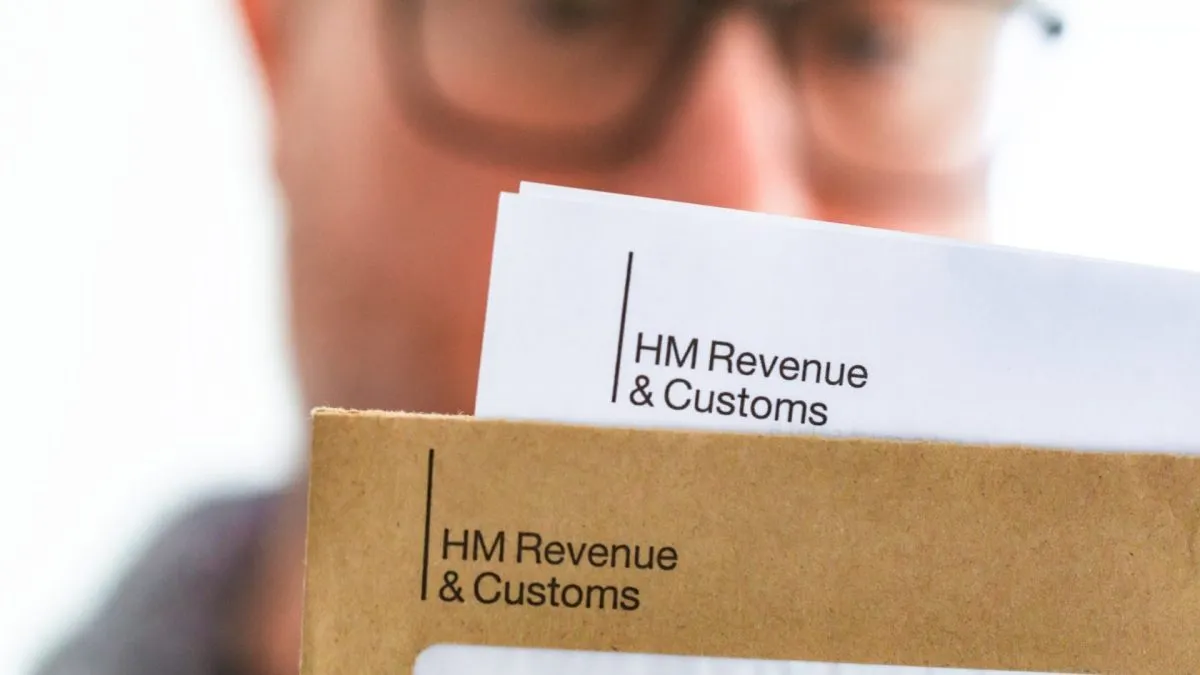
HMRC Still Sending Cheques: A Look at Unclaimed Tax Rebates
In the United Kingdom, the HM Revenue and Customs (HMRC) has issued a staggering 1,746,720 cheques in the past year alone. Despite ongoing efforts to transition to a digital-first system, a notable number of these cheques remain uncashed, raising questions about the efficiency of current practices.
As of April 2026, 178,180 cheques have not been cashed, representing a total value of £144 million. This situation highlights the challenges faced by HMRC as it attempts to modernize its processes while still accommodating taxpayers who prefer traditional methods of receiving refunds.
The average missed repayment stands at approximately £800 per taxpayer, indicating that many individuals may be unaware of their unclaimed funds. Approximately 20% of taxpayers have not yet been migrated to the new digital system, which is set to be fully operational by April 2027. This delay in migration could be contributing to the continued reliance on cheque payments.
Historically, HMRC has issued cheques to taxpayers who do not respond to correspondence within 21 days. While this practice may have been acceptable in the past, it is increasingly seen as problematic in a digital age. Robert Salter, a tax expert, commented, “It is certainly a bit problematic that HMRC continues to use cheques to settle tax refunds in so many cases.”
Despite the ongoing cheque issuance, HMRC has been actively reducing its reliance on this payment method since 2024. A spokesperson for HMRC stated, “The vast majority of pay as you earn (PAYE) repayments are issued via bank transfer, which is now the default option, and the quickest and most secure way for customers to receive their money.” This shift towards digital payments is crucial for enhancing efficiency and ensuring that taxpayers receive their refunds promptly.
Experts like Shaun Moore have pointed out that the data reflects a broader issue within the tax system, stating, “The data highlights how some parts of the tax system are still struggling to keep pace with a digital economy.” The transition to a digital-first approach is essential not only for improving taxpayer experience but also for reducing administrative burdens on HMRC.
As the deadline for full digital transition approaches, it remains to be seen how HMRC will address the challenges posed by unclaimed cheques and the significant number of taxpayers still reliant on traditional payment methods. The current state of uncashed cheques underscores the need for increased communication and education efforts to ensure that all taxpayers are aware of their options for receiving refunds.