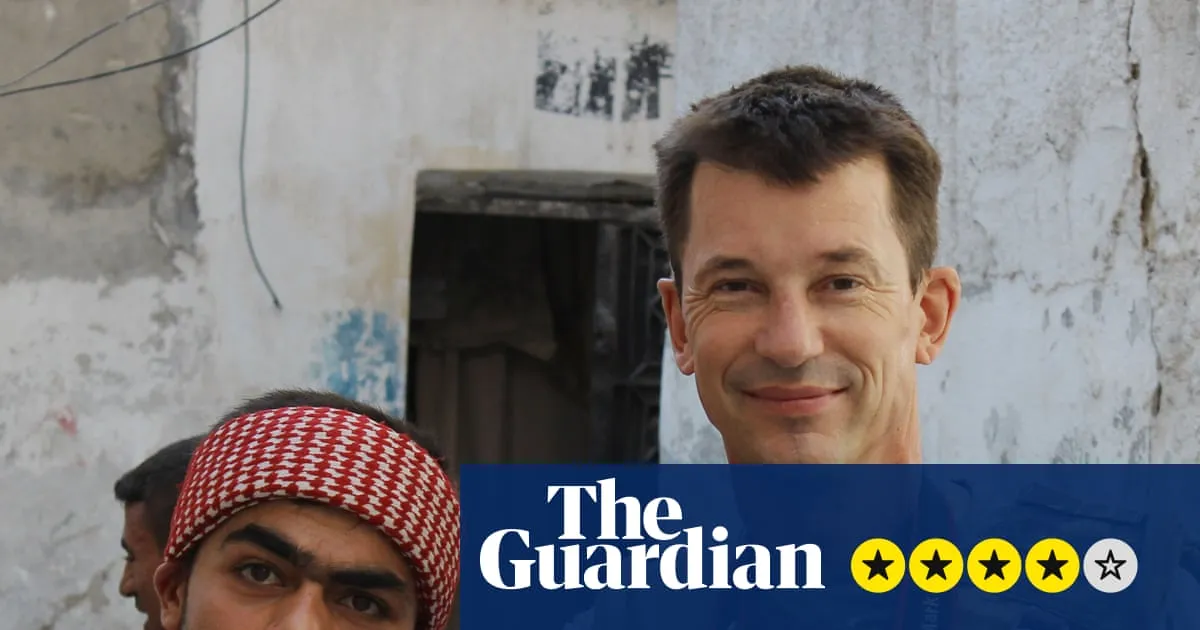
John cantlie: The Complex Legacy of
John Cantlie’s Captivity and Its Consequences
The fate of John Cantlie, a British photographer and reporter, underscores the perilous nature of journalism in conflict zones. Kidnapped in Syria in 2012 by the Islamic State, Cantlie’s story is marked by his survival tactics, which involved creating propaganda videos for his captors. His situation highlights the stakes for journalists who risk their lives to document the realities of war.
Background and Early Career
Before his abduction, Cantlie was known for his bravery and willingness to cover dangerous stories. He documented the frontlines of the battle against Muammar Gaddafi in Libya in 2011, showcasing his commitment to reporting from conflict areas. His work alongside fellow journalist James Foley during the Syrian civil war further exemplified his dedication to uncovering the truth, even in the face of significant risks.
Life Under Captivity
During his captivity, Cantlie appeared in a series of propaganda videos released by the Islamic State, which were designed to promote the group’s narrative. These videos not only served as a means of survival for Cantlie but also raised questions about the ethics of media representation in hostage situations. His ability to maintain a semblance of composure and bravado, famously stating, “If we don’t make it out of this, it’s been fun!”, painted a complicated portrait of a man under extreme duress.
The Documentary ‘Hostage’
The recent documentary ‘Hostage’ explores Cantlie’s life, motivations, and the psychological complexities of being a hostage. It includes footage from Cantlie’s own smartphone videos and selfies, providing an intimate glimpse into his experiences. However, the absence of family testimony in the documentary leaves significant gaps regarding his decision-making and movements before his capture.
Believed Death and Uncertainties
John Cantlie is believed to have died in an airstrike in Iraq in 2017, although the precise evidence linking his captivity in Syria to this reported incident remains unclear. This uncertainty adds to the tragic narrative of his life, as many questions about his final days and the circumstances surrounding his death linger. Details remain unconfirmed.
The Role of Journalists in Conflict Zones
The increasing dangers faced by reporters in North Africa and the Middle East are reflected in Cantlie’s story. His experiences serve as a stark reminder of the risks journalists take to bring stories from conflict zones to the forefront of global awareness. The legacy of Cantlie, along with others like James Foley, continues to influence discussions about press freedom and the safety of journalists worldwide.
John Cantlie’s life and tragic end highlight the complexities of journalism in hostile environments. As the world continues to grapple with the implications of his story, it remains crucial to honor the sacrifices made by those who seek to inform the public, often at great personal risk.