Journalist: Donald Trump Threatens Over US Airman Rescue in Iran
Reaction from the field
In a significant escalation of tensions between the government and the press, President Donald Trump threatened to jail a journalist who reported on a missing US airman in Iran. This incident underscores the precarious balance between national security and press freedom, as Trump claimed that the journalist’s reporting endangered the airman and compromised the rescue operation.
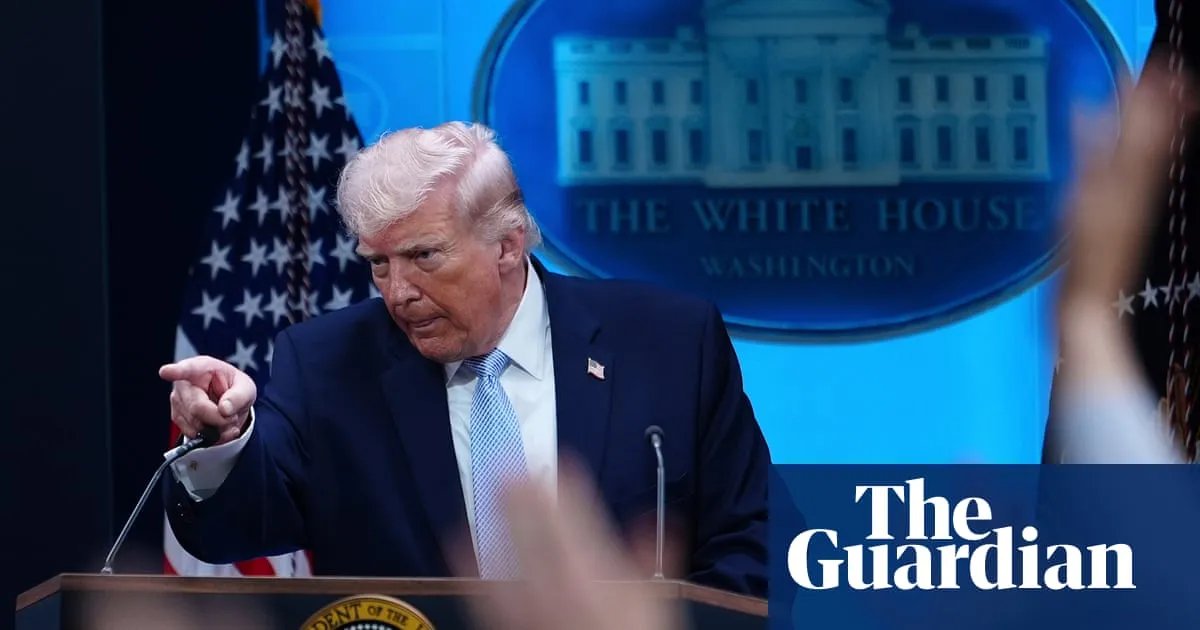
During a press conference at the White House, Trump asserted that he would confront the media company that published the information, demanding they reveal their source or face legal consequences. “We are gonna go to the media company that released it and we are going to say ‘national security, give it up or go to jail’,” Trump stated, emphasizing the administration’s stance on protecting sensitive military operations.
The missing airman was successfully rescued after he managed to hide from capture, a mission that involved significant risks and military resources. Trump claimed that the leak of information prompted Iran to offer a reward for capturing the missing pilots, further complicating the situation. He remarked, “They put this mission at great risk,” highlighting the potential dangers posed by the journalist’s report.
Trump’s threats are not unprecedented; he has a history of targeting journalists who publish information he disapproves of. This latest incident adds to a growing list of instances where the President has suggested punitive measures against the press, raising concerns about the implications for press freedom in the United States.
Seth Stern from the Freedom of the Press Foundation defended the journalist’s right to publish government leaks, stating, “Journalists don’t work for the government and their right to publish government leaks is protected by the first amendment.” This statement reflects a broader concern among media advocates regarding the administration’s approach to press relations.
Moreover, Trump has privately expressed dissatisfaction with negative media coverage related to the ongoing US-Israeli war on Iran, suggesting that his administration is increasingly sensitive to public perception and media narratives. The President’s remarks during the press conference indicate a willingness to escalate tensions with the media in pursuit of what he perceives as national security interests.
As the situation develops, the White House has not specified which media company Trump was referring to, leaving many questions unanswered. Details remain unconfirmed regarding the potential legal actions Trump may pursue against the journalist or the media outlet involved.
The implications of this incident extend beyond the immediate threat to the journalist; they raise fundamental questions about the role of the press in a democracy and the extent to which government officials can exert pressure on media organizations. The outcome of this confrontation may set a precedent for future interactions between the government and the press, particularly in matters of national security.