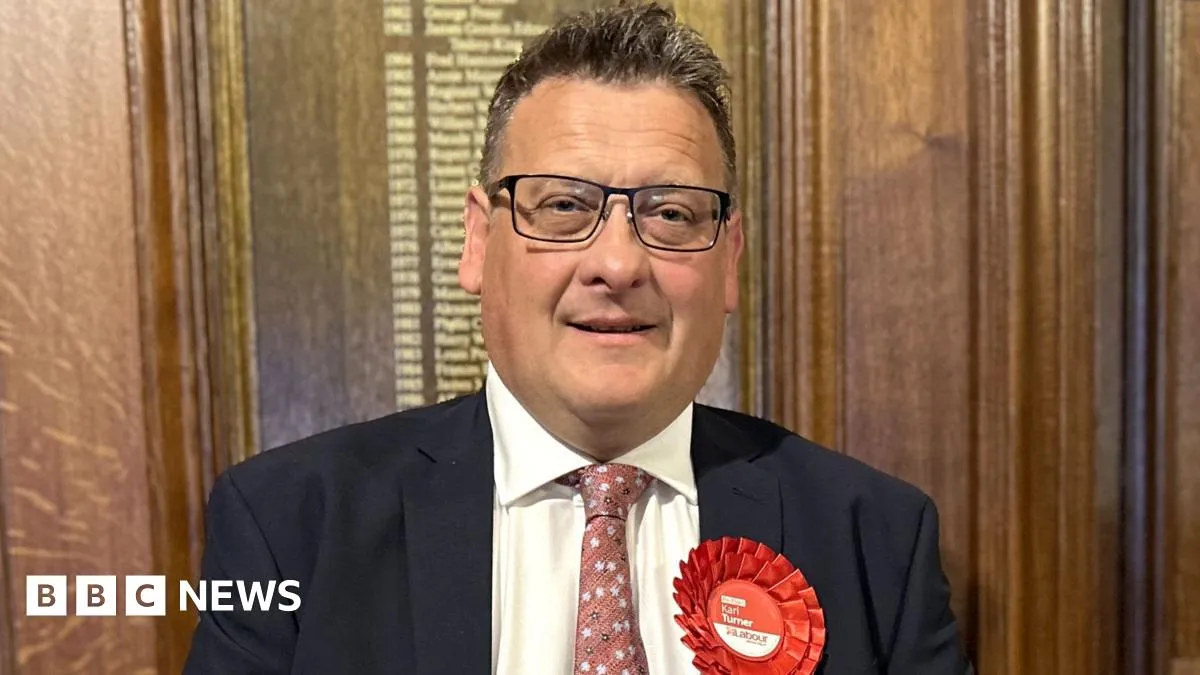
Karl Turner faces suspension over jury trial reforms
Karl Turner, a prominent Labour MP, has raised significant concerns regarding the government’s proposed reforms to jury trials in England and Wales. The central question this situation raises is: Why has Turner faced suspension from the Labour Party for his outspoken criticism of these reforms? The answer lies in his staunch opposition to the proposals, which he has deemed misguided.
Turner has been one of the most vocal critics of the government’s plans, which aim to limit the scope of jury trials. His opposition culminated in a suspension from the Labour whip, a decision communicated to him by chief whip Jonathan Reynolds. This action is part of a broader pattern where the Labour Party has previously suspended other MPs for voting against government initiatives.
In the 2024 election, Turner was re-elected with an impressive vote share of 43.8%, translating to an increased majority of 3,920 votes. His commitment to the Labour Party remains unwavering despite the suspension, as he stated, “My commitment to the Labour Party is unchanged.” Turner has also indicated that he will continue to advocate against the jury trial reforms, emphasizing his duty to protect the most vulnerable in society.
Details surrounding the suspension have been somewhat unclear. Turner expressed confusion regarding the notification process, stating, “I am being told that I have had the whip suspended but I have not had any notification from the whips about this.” This lack of clarity raises questions about the internal processes of the Labour Party and how they handle dissent among their members.
Turner’s criticisms are backed by a significant number of his colleagues, with around 60 MPs reportedly prepared to vote against the jury trial reforms. This level of opposition indicates a substantial divide within the party regarding the government’s approach to justice and civil rights. Turner has also suggested that he might consider causing a by-election if his suspension continues, further complicating the political landscape.
In the context of the ongoing debate, Turner has articulated his rationale for opposing the reforms, stating, “I will continue to speak out against these proposals because my duty is to act in good faith, according to my principles and to protect the most vulnerable.” His commitment to these principles has resonated with many constituents, as evidenced by his electoral success.
As the situation unfolds, the implications of Turner’s suspension and the government’s proposed reforms remain to be seen. The Labour Party’s handling of dissent within its ranks could set a precedent for how it manages internal conflicts in the future. Moreover, the potential for a by-election adds another layer of uncertainty to the political dynamics at play.
In summary, Karl Turner’s suspension from the Labour Party highlights the tensions surrounding the government’s controversial jury trial reforms. As he continues to advocate for his beliefs, the political ramifications of this situation will likely evolve, with both supporters and critics closely monitoring the developments.