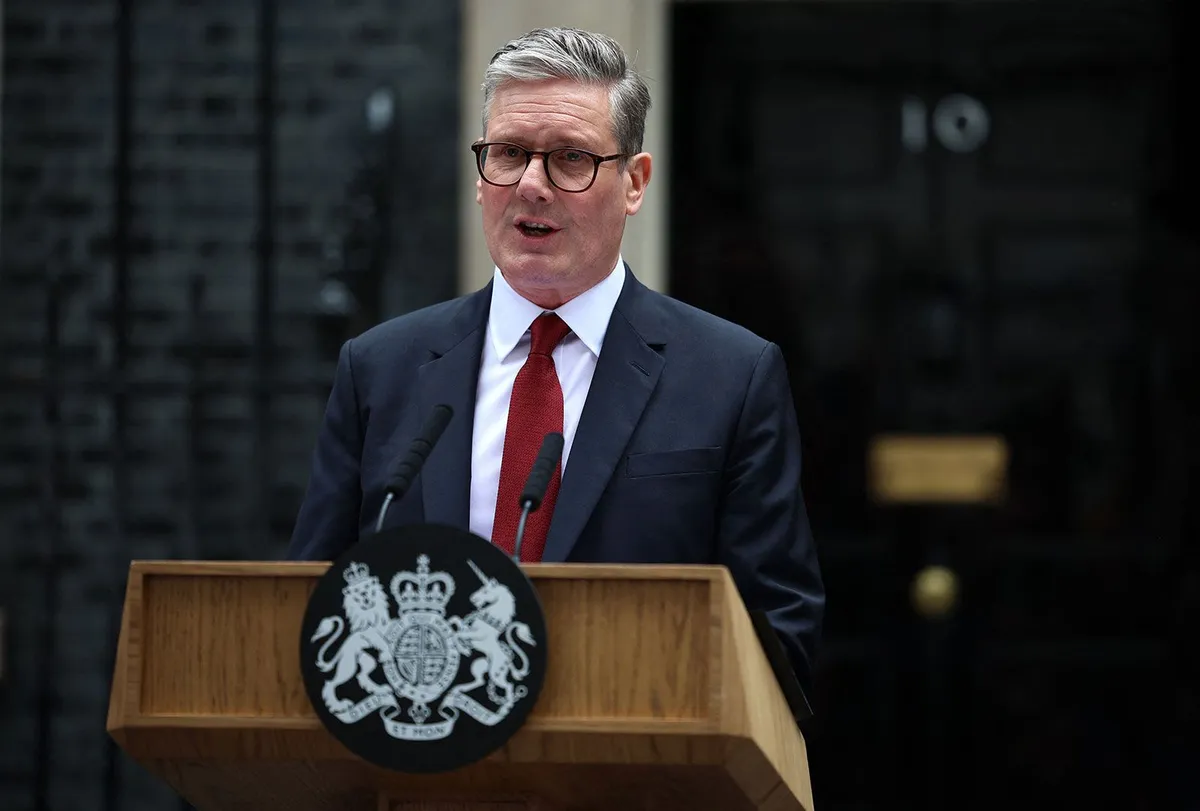
Keir Starmer’s Diplomatic Efforts Amidst Regional Tensions
Before Keir Starmer’s recent visit to the Gulf region, expectations were low regarding the UK’s diplomatic influence in the Middle East. The aftermath of the Iraq war had left a lingering perception of Britain as a follower rather than a leader, compounded by Brexit, which diminished its global diplomatic reach.
However, a decisive moment arrived with the announcement of a ceasefire agreement on April 10, 2026. Starmer welcomed this development, stating, “I welcome the ceasefire agreement reached overnight, which will bring a moment of relief to the region and the world.” This agreement has the potential to reshape the narrative surrounding Britain’s role in the region.
Starmer’s visit is significant as it marks an attempt to restore Britain’s diplomatic standing. He is set to meet with Gulf partners, including representatives from Saudi Arabia, the UAE, Bahrain, and Qatar, to discuss ongoing diplomatic efforts. The UK government has emphasized that this is a moment for diplomacy, not military escalation.
In the context of heightened tensions, the UK has intercepted more than 110 drone attacks in the region and conducted over 1600 hours of defensive operations through the RAF. These figures highlight the precarious security situation that Starmer is navigating.
Starmer has also distanced the UK from direct involvement in the ongoing conflict, emphasizing legality and restraint. Critics, however, warn that his visit risks being perceived as diplomacy without consequence, raising questions about the effectiveness of such efforts.
As Starmer seeks to redefine Britain’s role, the exact impact of his visit on the UK’s diplomatic standing in the Middle East remains unclear. Details remain unconfirmed, and the success of these diplomatic overtures will depend on the responses from regional partners and the broader international community.