King Charles III Coastal Path: A New Era for England’s Coastline
Who is involved
The King Charles III Coastal Path stands as a monumental achievement in the realm of outdoor recreation in England. Spanning an impressive 2,689 miles (or 4,328 kilometers), this path is recognized as the world’s longest managed coastal walking route. Prior to this development, expectations for coastal access were limited, with many areas remaining inaccessible to the public. The initiative to create this extensive pathway has taken 18 years to develop and has seen the involvement of seven prime ministers, indicating a long-term commitment to enhancing England’s natural landscapes.
As of now, approximately 20% of the path is not yet open to the public, yet Natural England is optimistic about having much of it accessible by the end of the year. This shift marks a decisive moment in the project, transforming the way people can experience the English coastline. The path is not just a new route; it incorporates and improves existing national trails, adding 1,000 new miles of paths to the coastal network.
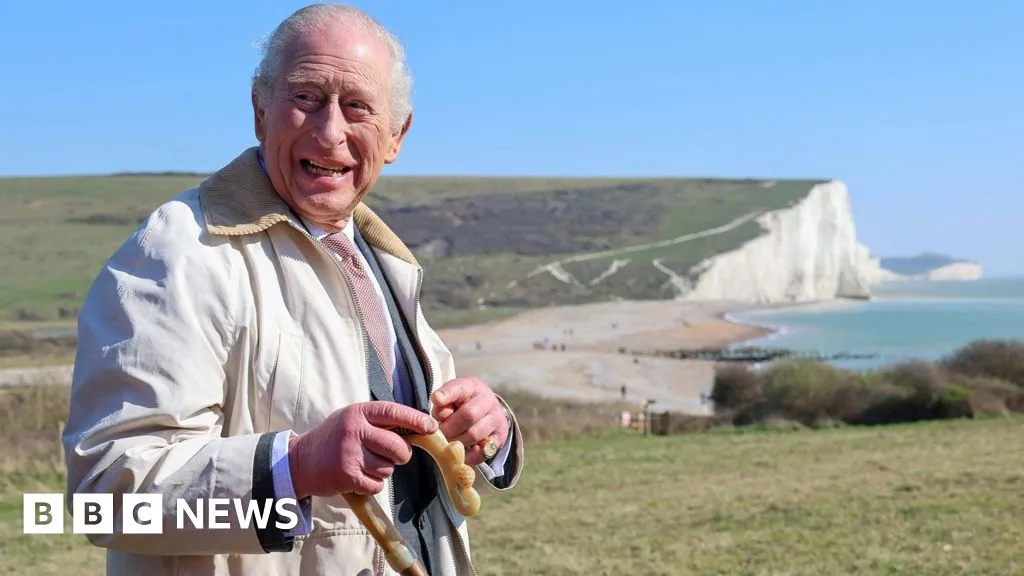
The path’s official launch by King Charles III at the scenic Seven Sisters cliff landscape has generated significant interest. The Seven Sisters section of the route stretches from Eastbourne to Littlehampton and passes through the Seven Sisters National Nature Reserve, which spans 65 square miles. This natural reserve is a key highlight of the path, offering breathtaking views and diverse ecosystems for walkers to enjoy.
For those involved in the project, the launch represents a culmination of years of hard work. Tony Juniper, a representative from Natural England, expressed his delight, stating, “Following 16 years of hard work from the Natural England team we are delighted to reach this landmark point for the King Charles III England coast path.” This sentiment reflects the dedication and effort that have gone into making this vision a reality.
However, not everyone views the path as a complete success. Tim Bonner has criticized the initiative, calling the idea that the English coast path is a success “farcical.” This highlights the ongoing debates surrounding access to natural spaces and the effectiveness of such large-scale projects. While some celebrate the new opportunities for outdoor activities, others question the overall impact and accessibility of the path.
Local residents have also reacted to the path’s development. Sharon Willmore, a local walker, recounted her surprise at encountering the King during her outing, saying, “Not what we were expecting at all, just out for a nice walk and someone said the King was along there.” Such encounters underscore the path’s potential to not only enhance recreational opportunities but also to foster a sense of community and connection to the natural environment.
As the King Charles III Coastal Path continues to develop, it is essential to consider the broader implications of this project. The path aims to promote sustainable tourism and encourage more people to engage with England’s coastal landscapes. With the backing of Natural England and the royal endorsement, the path is poised to become a significant asset for both locals and visitors alike.
In summary, the King Charles III Coastal Path represents a transformative development in England’s outdoor landscape. While challenges remain, the path’s potential to enhance public access to the coast and promote environmental stewardship is undeniable. As more sections open to the public, the true impact of this ambitious project will become clearer, providing new opportunities for exploration and enjoyment of England’s stunning coastline.