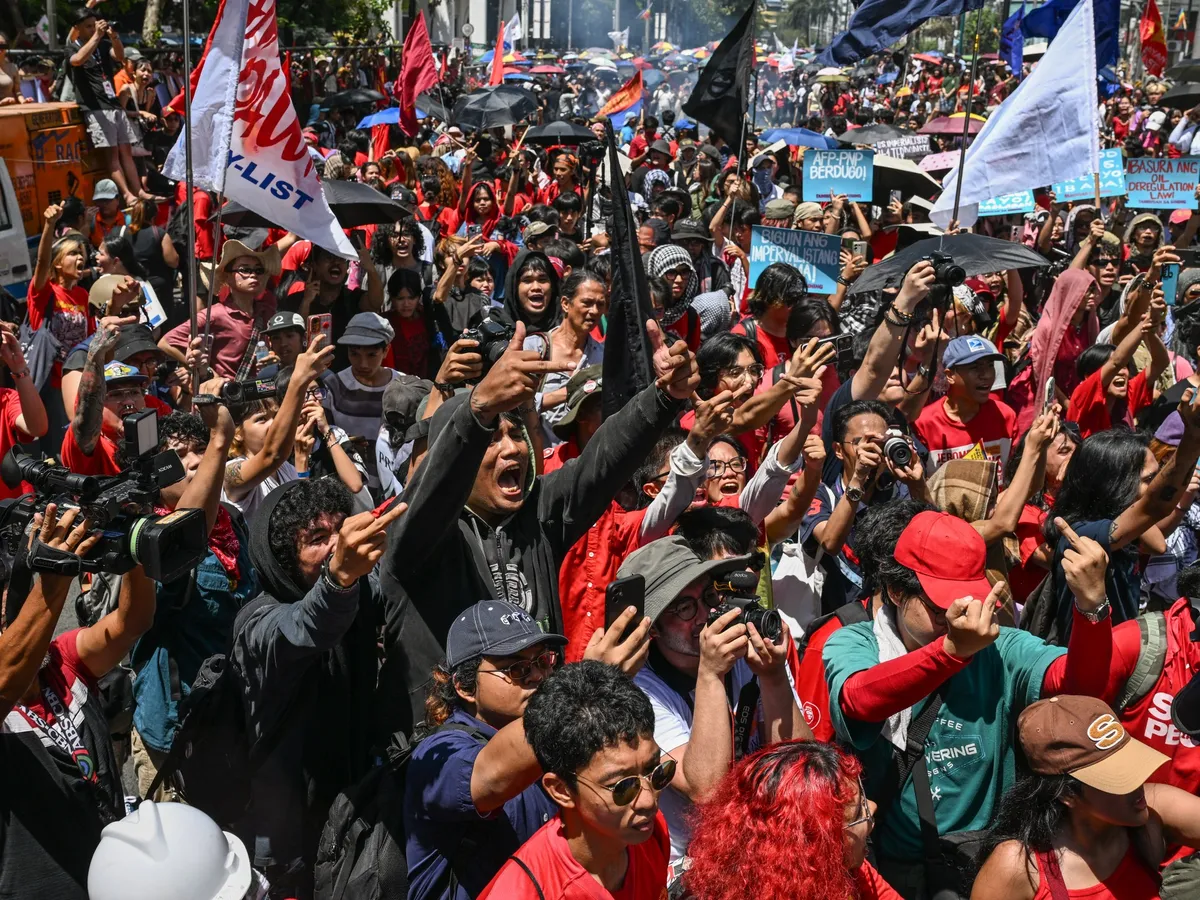
Labour Day rallies highlight rising energy prices and workers’ rights
On May 1, 2026, Labour Day rallies took place worldwide, with protests highlighting rising energy prices and calls for solidarity among workers. Trade unions emphasized the need to protect workers’ rights amidst escalating geopolitical tensions.
In Argentina, thousands protested against President Javier Milei’s overhaul of labour protections, reflecting a growing discontent among the workforce. Meanwhile, in Gaza, over 550,000 workers face unemployment due to the ongoing economic crisis exacerbated by conflict.
Historically, International Workers’ Day was established in response to labour movements in the late 19th century. The Second International declared May 1 as International Workers’ Day in 1889, marking a significant moment in the fight for workers’ rights.
Key statistics:
- 93 trade union organizations represented by the European Trade Union Confederation
- 550,000 workers across Gaza and the West Bank currently without income
- The Haymarket Affair in 1886 catalyzed the establishment of this day as a symbol of labour struggles
Josua Mata, a representative from the Philippines, stated that “every Filipino worker now is aware that the situation here is deeply connected to the global crisis.” Renato Reyes echoed similar sentiments, asserting that “there will be a louder call for higher wages and economic relief because of the unprecedented spikes in fuel prices.”
The Durham Miners’ Gala remains an important event celebrating workers’ struggles in North East England. As Labour Day continues to resonate globally, trade unions remain pivotal in advocating for collective bargaining and fair labour practices.