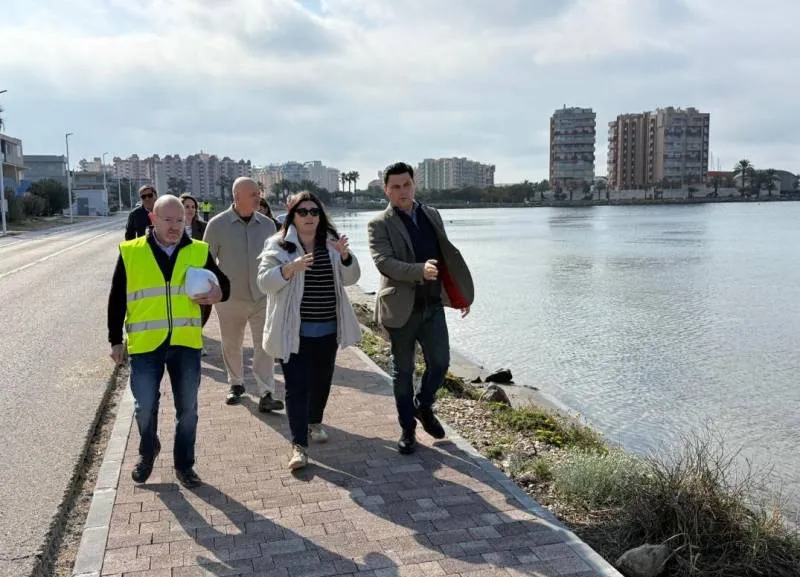
Mar Menor: €637,502.75 Investment in New Pedestrian Route
What the data shows
The recent developments in the Mar Menor region raise a pivotal question: How is the area enhancing its infrastructure and conservation efforts? The answer lies in a significant project that aims to improve pedestrian access while also bolstering marine conservation initiatives.
A 2.1-kilometre stretch of new pavement is set to complete a continuous pedestrian route along the Mar Menor strip. This project, with a total investment of €637,502.75, is expected to be finished within the next month. Funded through the San Javier Destination Tourism Sustainability Plan, it includes the construction of a pavement between 2 and 2.3 metres wide and the installation of new street lighting along the entire stretch.
In addition to the pedestrian improvements, the region is also focusing on marine conservation. The OM2 Centre for Conservation and Recovery of Mar Menor Species will be based in the former San Javier airport. This centre is designed to study the full life cycle of Mar Menor species under controlled conditions, aiming to improve conservation protocols and increase the chances of successful reintroduction into the natural environment.
President Fernando Lopez Miras emphasized the importance of the scientific work at the centre, stating, “The scientific work carried out at the centre will generate applied knowledge that can be used in real environmental management decisions.” This initiative aims to position the region as a reference point for marine ecosystem restoration in southern Europe.
The project is part of Spain’s wider Recovery, Transformation and Resilience Plan, which is backed by the European Union’s Next Generation funding programme. This alignment with EU funding underscores the commitment to sustainable development and environmental stewardship in the region.
As the project progresses, it is crucial to monitor the impact of these developments on both tourism and marine biodiversity in the Mar Menor. The integration of pedestrian routes with conservation efforts could serve as a model for other regions facing similar environmental challenges.
Details remain unconfirmed regarding the long-term effects of these initiatives on local ecosystems and tourism dynamics. However, the immediate focus remains on completing the pedestrian route and establishing the conservation centre, both of which are expected to enhance the overall appeal and sustainability of the Mar Menor area.