Mars
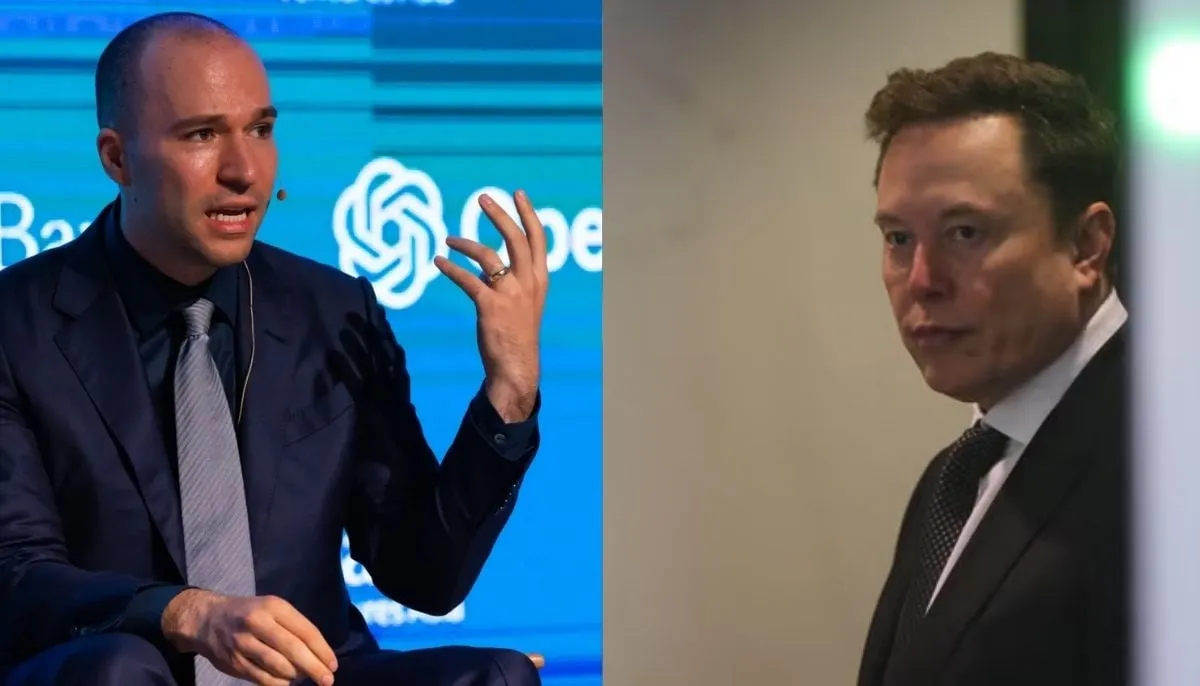
“He said he needed $80 billion to create a city on Mars,” testified Greg Brockman, president of OpenAI, during a recent trial. This statement underscores the significant financial demands associated with Elon Musk’s vision for Mars colonization, which has now become a focal point in legal disputes surrounding the leadership of OpenAI.
The trial reveals that Musk, who founded SpaceX and has been a vocal advocate for interplanetary travel, claims he was defrauded out of $38 million by OpenAI. The implications of this accusation could have far-reaching consequences not only for Musk’s plans but also for the future direction of OpenAI.
OpenAI is preparing to allocate $50 billion for computing resources in 2026, which highlights the scale of investment in artificial intelligence technology as it intersects with space exploration. The organization has gained prominence since launching ChatGPT in 2022, but its relationship with Musk has become increasingly strained.
Current mission profiles indicate that reaching Mars takes approximately seven to ten months. However, new research suggests that astronauts could potentially complete a round trip to Mars in less than a year—this would significantly enhance the feasibility of human settlement on the planet.
The next viable opportunity for rapid travel to Mars is projected for 2031, when spacecraft could make a round trip in just 153 days. This advancement may revolutionize how humanity approaches interplanetary travel and colonization strategies.
Musk’s vision for Mars is ambitious and fraught with challenges. He believes that establishing a self-sustaining city on Mars requires substantial investment and technological breakthroughs. Yet, as highlighted in the trial, disagreements over funding and control may hinder progress.
The ongoing legal battle illustrates not only the complexities involved in funding such grand ambitions but also the intertwining paths of AI development and space exploration. As both sectors evolve rapidly, their futures may depend on resolving these disputes effectively.