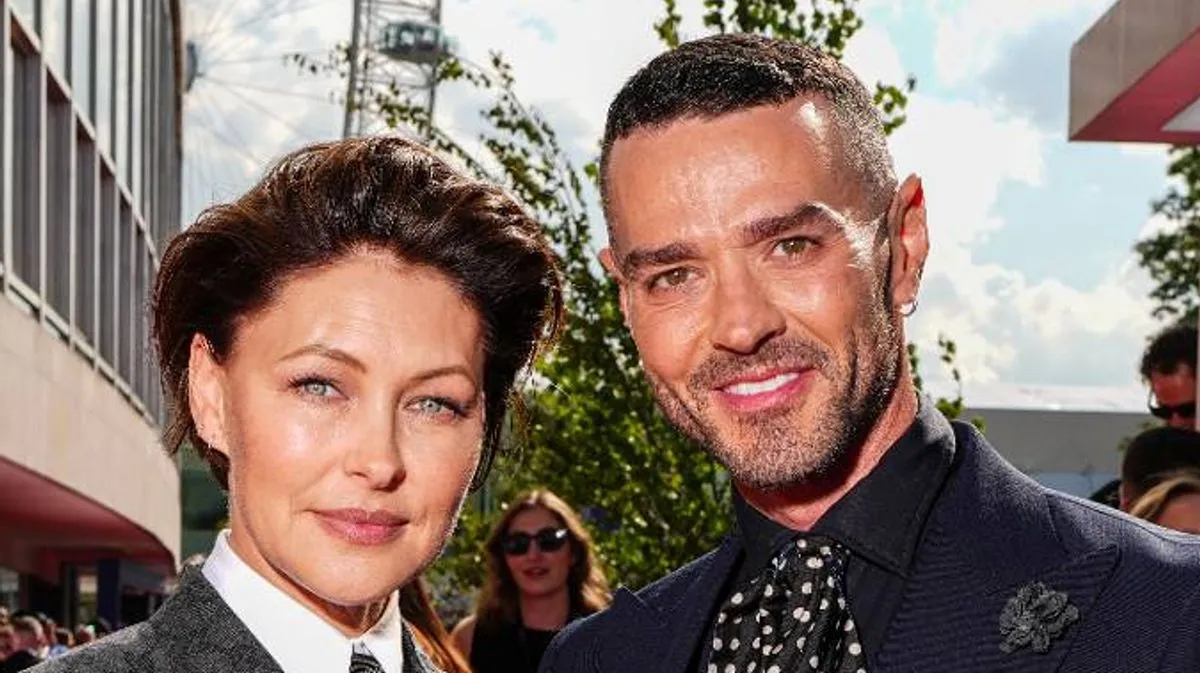
Matt Willis Faces Addiction Challenges Amid Public Scrutiny
Reaction from the field
Matt Willis, the 42-year-old singer from the band Busted, has openly admitted to being “massively addicted” to vaping, a revelation that has significant implications for his family life and public persona. This admission comes as he prepares to appear on the reality TV show ‘Celebrity Sabotage’ on March 28, 2026. The stakes are high, as Willis grapples with the dual pressures of addiction and the expectations of being a role model for his three children: Isabelle, Ace, and Trixie.
Willis’s struggles with addiction are not new; he has previously battled alcohol and drug dependency. He began smoking at the tender age of 13 or 14, and despite his efforts to quit, he has found himself ensnared by nicotine once again. In a candid moment, he expressed, “I do want to quit vaping. It sounds like excuses, but the reason is that I like it, I really like nicotine, I’m massively addicted to it.” This reflects a deep-seated conflict between his desires and the reality of his addiction.
In an effort to combat his habit, Willis has consulted with neuroscientist TJ Power, seeking professional guidance to help him quit vaping. He has made attempts to dispose of his vapes and snus, indicating a serious commitment to overcoming his addiction. However, he has also acknowledged the challenges he faces, particularly after being tempted to vape at a Busted concert. “So, I don’t plan on vaping again. I don’t want to do it anymore. I don’t want to have that in my life. It’s embarrassing. It’s terrible for you,” he stated, highlighting the internal struggle he continues to face.
Adding to the complexity of his situation is the fact that Willis has been hiding his vaping habit from his children, despite his adamant stance against it. “I’ve been very adamant to them that vaping is stupid and I’m secretly doing it. Like, it’s so hypocritical,” he admitted. This contradiction not only affects his relationship with his children but also raises questions about the impact of his actions on their perceptions of addiction and health.
Willis’s journey is emblematic of a larger issue surrounding nicotine addiction, particularly in the context of vaping, which has surged in popularity in recent years. The accessibility and perceived safety of vaping often mask the underlying addiction risks. Willis’s case serves as a reminder of the complexities surrounding addiction, especially for those in the public eye.
As he prepares for his television appearance, the public will be watching closely to see how Willis addresses his addiction and the lessons he may share from his experiences. He has expressed remorse to Power for not following through on his quitting efforts, stating, “I’m really sorry, TJ. Just, I let you down and I didn’t follow through.” This acknowledgment of failure may resonate with many who struggle with similar issues.
Details remain unconfirmed regarding the specific strategies Willis will employ moving forward, but his openness about his addiction is a crucial first step. The ongoing dialogue about vaping and addiction continues to evolve, and Willis’s experiences may contribute to a broader understanding of these challenges. As he navigates this difficult path, the hope is that he can find a way to overcome his addiction and set a positive example for his children and fans alike.