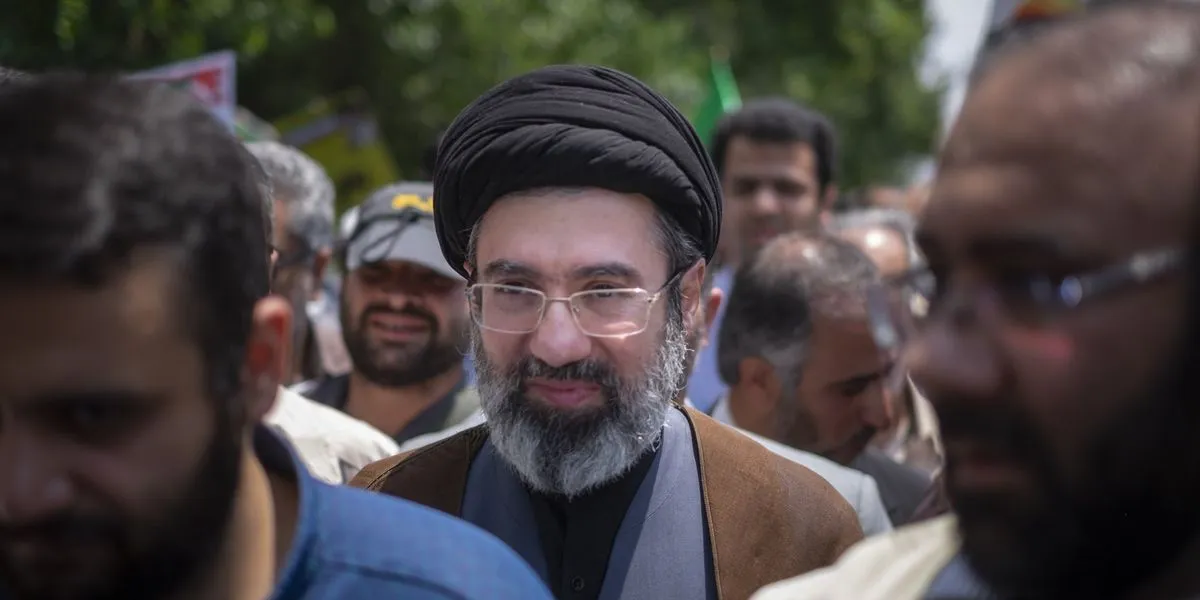
Mojtaba Khamenei Assumes Leadership Amidst Turmoil
Mojtaba Khamenei has officially become the Supreme Leader of Iran as of April 11, 2026, following the tragic death of his father, Ali Khamenei, and several high-ranking military officials in a devastating airstrike on February 28, 2026. This significant transition in leadership comes at a time of heightened tensions and uncertainty within the region.
At 56 years old, Mojtaba Khamenei is reported to have suffered severe disfigurement to his face and significant leg injuries due to the airstrike that claimed his father’s life. He has not been seen in public since assuming power on March 8, 2026, raising concerns about his health and ability to lead. Despite his physical condition, sources indicate that he remains mentally sharp and is actively involved in government decisions through audio conference calls.
Iran’s state media has referred to Mojtaba Khamenei as a “janbaz,” a term denoting someone who is gravely wounded. Reports suggest that he has lost a leg due to the injuries sustained during the airstrike, which also resulted in the death of his wife. Since taking office, he has issued only two written statements, reflecting the gravity of his situation and the ongoing turmoil in the country.
The airstrike that led to this leadership change has been a pivotal moment in Iran’s recent history, with estimates indicating that approximately 3,000 Iranians have been killed and 25,000 wounded during the ongoing military conflict. The nation is currently observing a 40-day mourning period for the deaths of Ali Khamenei and other officials, while the war continues to escalate.
On the diplomatic front, efforts between Iran and the United States are ongoing, mediated by Pakistan. A temporary ceasefire was reached on April 11, 2026, which is set to expire on April 21, 2026. This ceasefire is crucial as it allows both nations to engage in discussions regarding the Strait of Hormuz and other military concerns.
Mojtaba Khamenei has made statements emphasizing that Iran does not seek war but will not abandon its rightful demands. He has called for the continued presence of the Iranian people to achieve the strategic goals set forth by his father, the martyred leader. His rhetoric suggests a commitment to maintaining national unity and resilience in the face of adversity.
Reactions to his leadership have been mixed. Political commentators have expressed skepticism about his ability to lead effectively given his injuries and absence from public view. Pete Hegseth, a prominent commentator, remarked, “The new so-called not-so-supreme leader is wounded and likely disfigured,” highlighting the challenges Mojtaba Khamenei faces as he steps into this critical role.
As Iran navigates this tumultuous period, the exact condition of Mojtaba Khamenei remains unclear due to his absence from public view. There are unconfirmed reports about his health, including allegations of him being in a coma. The extent of his injuries and recovery timeline is not independently verified, leaving many questions about the future of Iran’s leadership and its implications for the region.