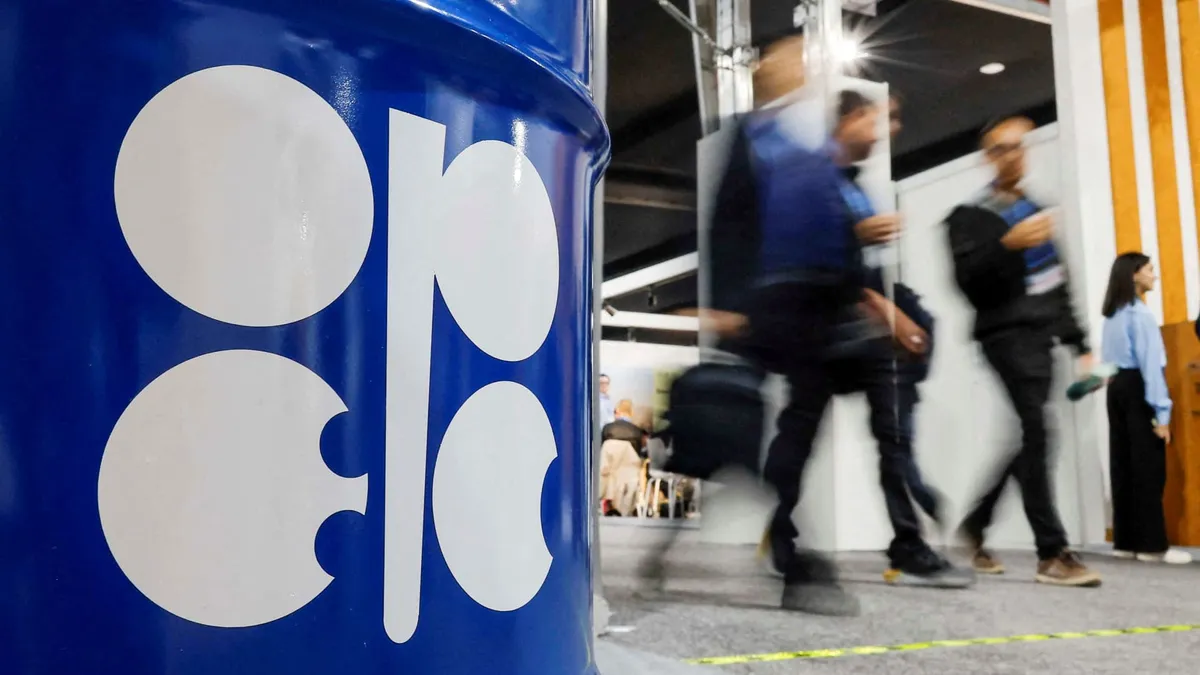
Opec: UAE’s Exit from Shakes the Energy Market
The United Arab Emirates has quit the OPEC oil cartel, marking a significant blow to the organization. This decision comes as global oil prices rise, with Brent crude reaching $119.50 a barrel since the outbreak of the Iran war.
The UAE joined OPEC in 1967 and has been part of it since the country was formed in 1971. The exit will officially take effect on April 28, 2026. This move represents a notable shift for OPEC, which is already grappling with challenges in the energy market.
In recent months, tensions have escalated due to Iranian threats affecting shipping through the Strait of Hormuz, a critical passage for oil exports where about a fifth of the world’s crude and liquefied natural gas passes. The UAE criticized fellow Arab states for failing to adequately support its security against these Iranian attacks.
Donald Trump has also weighed in, accusing OPEC of inflating oil prices. He views the UAE’s decision as a potential victory against an organization he has long criticized.
Key facts:
- The UAE’s exit from OPEC will be effective on April 28, 2026.
- Brent crude oil price peaked at $119.50 per barrel during the Iran war.
- OPEC Gulf producers face challenges in shipping exports through key waterways due to security threats.
- The UAE joined OPEC in 1967 and remained a member for nearly six decades.
Anwar Gargash commented on the situation, stating, “The Gulf Cooperation Council countries supported each other logistically, but politically and militarily, I think their position has been the weakest historically.” He expressed surprise at the lack of political backing from the Gulf Cooperation Council during these turbulent times.
The implications of this departure are profound for both OPEC and global energy markets. As tensions rise and oil prices fluctuate, stakeholders will closely monitor how this shift impacts crude oil exports and pricing strategies moving forward.