Pearl Harbor: A Turning Point in History
Who is involved
The attack on Pearl Harbor, which occurred on December 7, 1941, was a critical inflection point in history, altering the course of World War II and reshaping international relations. Prior to this event, the United States maintained a stance of isolationism, focusing on domestic issues while tensions escalated globally. The expectation was that the U.S. would remain uninvolved in the escalating conflicts abroad, particularly in Europe and Asia.
However, the surprise military strike by the Imperial Japanese Navy against the U.S. naval base at Pearl Harbor shattered these expectations. In a matter of hours, 1,177 sailors from the USS Arizona were killed, marking one of the most devastating losses in American naval history. This attack led to the sinking or damaging of several battleships, with the USS Arizona and USS Oklahoma being the only battleships that did not return to service after the attack.
The immediate aftermath of the Pearl Harbor attack saw the United States officially enter World War II, declaring war on Japan the following day. This decisive moment galvanized the American public and military, leading to a significant mobilization of resources and personnel. The attack not only united the nation in a common cause but also transformed the U.S. military strategy and capabilities, ultimately contributing to the Allied victory in 1945.
In the years following the attack, the Pearl Harbor Memorial was established to honor the lives lost, with the USS Arizona remaining trapped at the bottom of Pearl Harbor as a solemn reminder of the sacrifices made. The memorial serves as a place of reflection for visitors and a testament to the enduring impact of that fateful day.
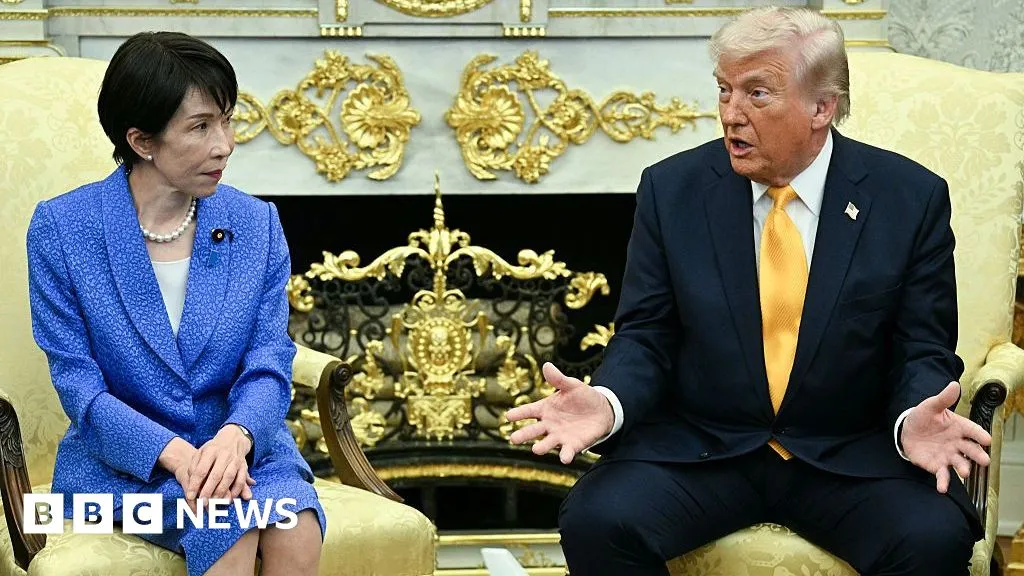
Fast forward to recent events, and the legacy of Pearl Harbor continues to resonate in contemporary discourse. In a meeting with Japanese Prime Minister Sanae Takaichi, former President Donald Trump made a controversial joke comparing Japan’s attack on Pearl Harbor to his plan to attack Iran. This remark drew criticism and highlighted the sensitive nature of historical events and their interpretations in modern political contexts.
During the meeting, Takaichi appeared visibly uncomfortable with Trump’s comments, underscoring the complexities of U.S.-Japan relations that have evolved since World War II. The historical significance of Pearl Harbor remains a touchstone in discussions about military strategy, diplomacy, and the lessons learned from past conflicts.
Experts continue to analyze the implications of the Pearl Harbor attack, noting that it serves as a critical case study in surprise attacks and the importance of intelligence in military strategy. The attack not only changed the course of the war but also influenced how nations approach diplomacy and military readiness.
As discussions around Pearl Harbor resurface in political and social contexts, it is essential to remember the profound losses incurred and the lessons that history teaches us. The events of December 7, 1941, remain a pivotal moment that shaped the future of the United States and its role on the world stage. Details remain unconfirmed regarding the full impact of Trump’s comments on U.S.-Japan relations, but the historical weight of Pearl Harbor continues to inform contemporary dialogues.