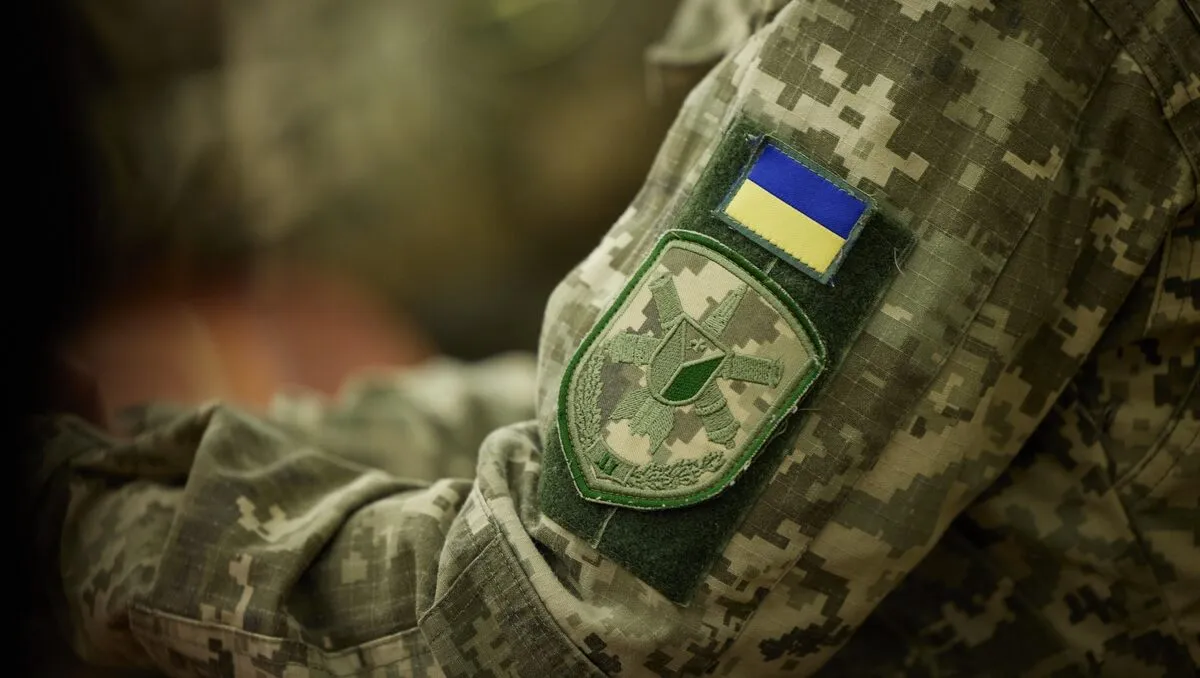
Poland Grants Legal Amnesty to Citizens Who Joined Ukrainian Armed Forces
Reaction from the field
Poland has taken a significant step by granting legal amnesty to its citizens who joined the Ukrainian armed forces, a move that underscores the country’s unwavering support for Ukraine in the face of Russian aggression. This new legislation, signed into law by President Karol Nawrocki, provides immunity for Polish citizens who served in Ukraine’s military from April 2014 until the law’s enactment. The decision comes as Poland has been a staunch ally of Ukraine since the onset of Russia’s full-scale invasion in 2022.
The law’s passage was marked by bipartisan support from both the Civic Coalition and the Law and Justice parties, highlighting a unified front in Polish politics regarding national security and international solidarity. Notably, the far-right Confederation group abstained from voting, indicating a divergence in views on the matter. The authors of the bill articulated that “in the existing international context, the participation of a Polish citizen in Ukraine’s fight against Russian aggression cannot be perceived as a violation of the constitutional obligations of loyalty to Poland, concern for the common good, or obligation to defend the homeland.”
Prior to this law, Polish citizens who served in foreign military forces without consent faced severe penalties, including up to five years in prison. This amnesty is particularly significant given that approximately 1,000 Poles have signed up for the Ukrainian Legion, and there have been 23 confirmed deaths of Poles serving in Ukraine. The Polish government has also been proactive in providing military support, including the recent dispatch of 379 power generators to aid Ukraine’s infrastructure.
In addition to military support, Poland’s Ministry of Culture and National Heritage announced a draft bill aimed at protecting the book market, which has garnered support from the European Writers’ Council (EWC). This bill seeks to establish a fixed book price system, ensuring transparency and fair remuneration for writers and translators. The EWC, representing a quarter million writers from 52 associations across 34 countries, has expressed optimism about the potential impact of this legislation.
Andrzej Podgórski, a representative of the Polish volunteers, emphasized the psychological burden faced by those fighting in Ukraine, stating, “Many of these volunteers who are fighting for Ukraine, besides the daily challenges of just surviving from day to day, also have this worry about ‘what will happen when I return home.’” This sentiment reflects the complex emotional landscape that accompanies participation in foreign conflicts.
The EWC has voiced its hopes that ongoing consultations within the Ministries will lead to a pivotal historic moment for the literary community in Poland. They noted, “The first important step has been taken, and we look with appreciation and hope at this deeply important message to the whole of Europe.” This illustrates the interconnectedness of cultural and military support as Poland navigates its role on the European stage.
As Poland continues to solidify its position as a key ally of Ukraine, the implications of this legal amnesty and the support for the book market are yet to be fully realized. The international community will be watching closely as further developments unfold, particularly regarding how these changes will affect both Polish citizens involved in the conflict and the broader cultural landscape in Poland. Details remain unconfirmed.