Russian Shadow Fleet: A Growing Maritime Threat
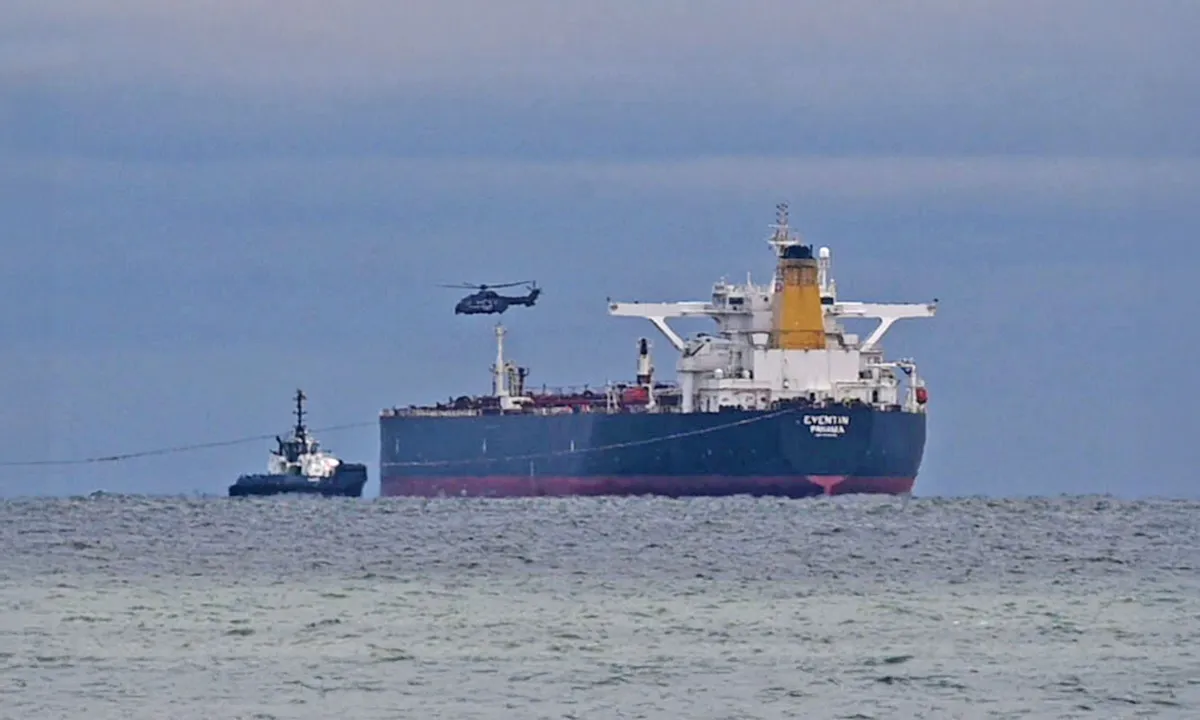
The Russian shadow fleet, responsible for transporting approximately 75% of Russia’s crude oil, is increasingly becoming a focal point of maritime security concerns in the English Channel and Baltic Sea. Recent developments indicate a significant escalation in tensions, as Ukraine prepares to conduct terrorist attacks against Russian ships in the Barents and Norwegian Seas. This situation has prompted the British government to take decisive action by escorting oil and gas tankers with armed warships, highlighting the stakes involved in this maritime conflict.
In response to the growing threat posed by the shadow fleet, France has introduced a bill imposing severe penalties on vessels associated with Russia. The maximum fine for using false identification marks can reach up to €300,000, while individuals refusing to obey detention orders could face up to two years in prison. If the lives of French military personnel are endangered, the maximum prison sentence could extend to seven years. Such measures reflect the seriousness with which European nations are treating the shadow fleet’s activities.
Despite these efforts, the Royal Navy has not intercepted a single Russian tanker under sanctions, raising questions about the effectiveness of current maritime enforcement strategies. Meanwhile, the situation in the Vaindloo Anchorage has deteriorated, with the number of idle tankers tripling to around 30-40 this week. This increase underscores the operational challenges faced by European nations in monitoring and controlling the movements of the Russian shadow fleet.
Estonia’s decision to refrain from detaining Russian shadow fleet vessels due to the risk of military escalation further complicates the situation. Ivo Vark, an Estonian official, emphasized that “the risk of military escalation is just too high,” indicating the delicate balance that Baltic states must maintain in their dealings with Russia. This cautious approach reflects a broader concern among European nations about provoking a military response from Moscow.
In a show of force, Moscow has initiated a permanent patrol of armed military vessels in the Gulf of Finland, signaling its commitment to protecting its maritime interests. Andrei Kelin, Russia’s ambassador to the UK, warned that any attempts by the British side to seize vessels associated with Russia would be regarded as “unacceptable and intolerable.” This rhetoric highlights the potential for escalating tensions as nations navigate the complex dynamics of maritime security in the region.
As the situation unfolds, the Kremlin continues to view sanctions as a malign attempt to undermine its economy. Volodymyr Zelensky, Ukraine’s president, stated, “Overall, the frontline is holding despite intensifying Russian attacks,” indicating that while Ukraine remains resolute, the maritime domain presents new challenges that could impact the broader conflict.
Details remain unconfirmed regarding the potential Russian responses to UK actions, leaving the maritime landscape fraught with uncertainty. With around 500 civilian and military vessels transiting daily in the English Channel, the stakes are high as nations grapple with the implications of the Russian shadow fleet on regional stability.