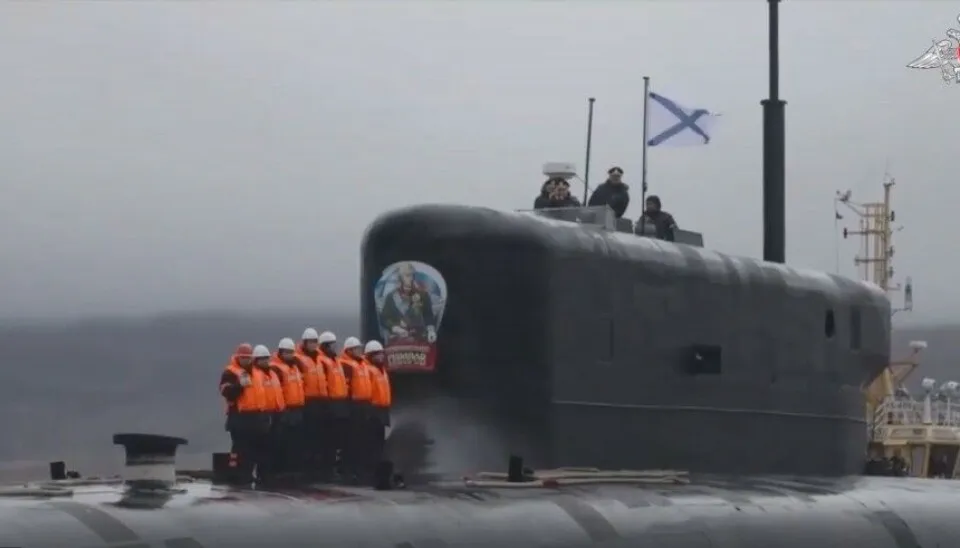
Russian Submarines Increase Tensions in the North Atlantic
The UK has recently tracked three Russian submarines, including an Akula class nuclear-powered vessel and two GUGI submarines, for over a month. This operation has heightened concerns regarding maritime security in the North Atlantic, particularly as the UK has seen a 30% increase in Russian vessels threatening its waters over the last two years.
The Russian submarines were monitored 24/7 during the operation, which took place within the exclusive economic zone extending up to 200 nautical miles from the UK coastline. To counter this threat, the Royal Navy deployed a Type 23 frigate, HMS St Albans, alongside RAF P8 aircraft, involving around 500 UK personnel in the operation.
John Healey, the UK’s Defence Secretary, emphasized the seriousness of the situation, stating, “We see your activity over our cables and our pipelines, and you should know that any attempt to damage them will not be tolerated and will have serious consequences.” This statement reflects the critical importance of subsea fibre optic cables, which are essential for 99% of international data traffic.
In response to the increasing threats, the UK government is planning to boost its defense spending to 2.6% of GDP by 2027, with an investment of £100 million specifically allocated to support the P8 submarine hunting aircraft. This strategic move is aimed at enhancing the UK’s capabilities to detect, deter, and respond to potential threats.
Keir Starmer, the leader of the Labour Party, remarked, “I am determined to protect the British people from paying the price for Putin’s aggression in their household bills,” highlighting the broader implications of Russian military activities on domestic security and economic stability.
As the situation unfolds, it is noted that the GUGI submarines have now left UK waters and headed back north. However, the ongoing presence of Russian submarines in the region remains a significant concern for UK defense officials.
The Russian operation has underscored why the UK government views Moscow as the primary threat to both the UK and NATO. With tensions escalating, further developments are anticipated as the UK continues to monitor Russian naval activities closely.
Details remain unconfirmed.