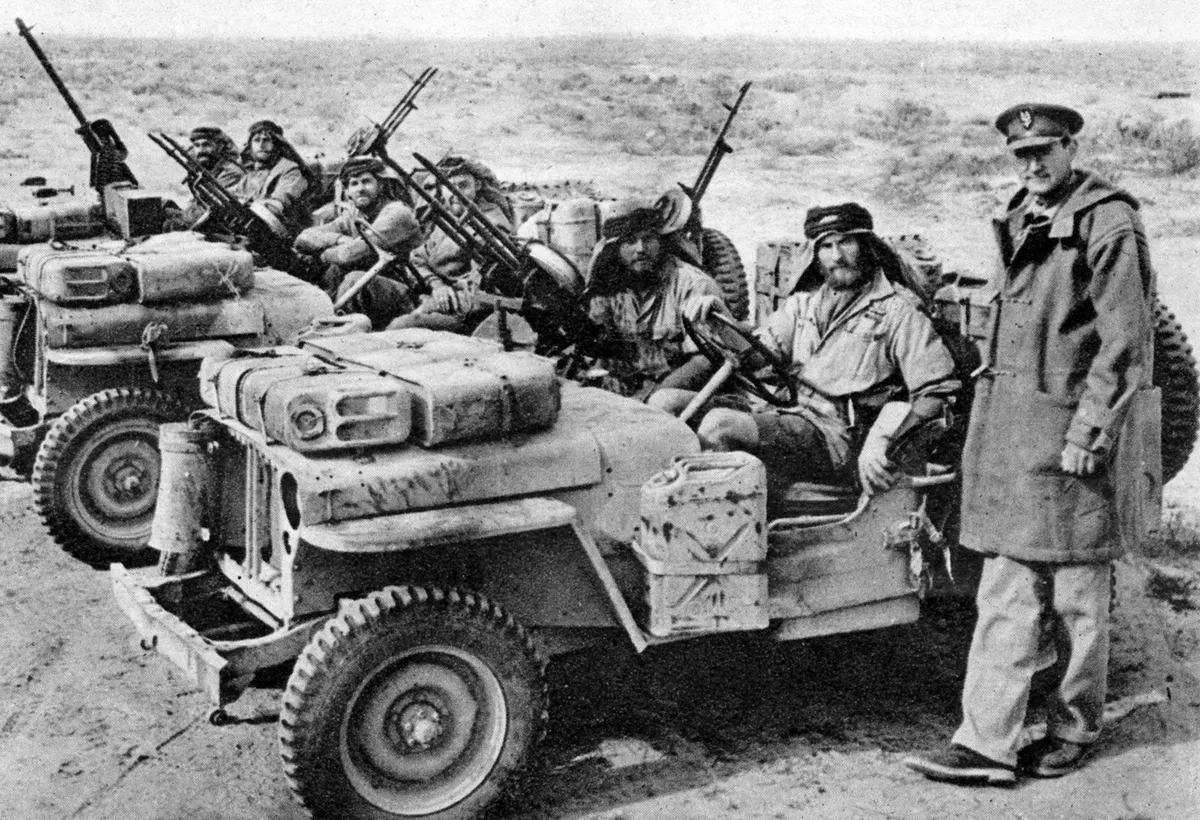
Special Air Service Faces Crisis Amid Resignations
At least 22 soldiers from the Special Air Service (SAS) are resigning due to fears of legal repercussions, a situation that threatens the operational capability of one of the UK’s elite military units. This trend has been linked to ongoing investigations into alleged war crimes during operations in Afghanistan and Syria.
Notably, two squadrons, D and G, have reported significant personnel losses. The climate within the regiment is described as extremely poor, with morale plummeting amid fears of ‘witch hunts’ instigated by human rights lawyers.
As a result, confidence in the legal system among soldiers has deteriorated. Nine former military chiefs have voiced their concerns, stating that soldiers now must consider not only the enemy in front of them but also potential legal consequences behind them.
The Army’s size has decreased drastically over the last decade—from over 100,000 personnel in 2010 to just over 70,000 today. This reduction exacerbates the impact of these resignations on military readiness.
One veteran highlighted a pervasive fear: “If a soldier discharges their weapon, they are almost certainly going to get a knock on their door one day,” illustrating the anxiety surrounding operational decisions.
Furthermore, some SAS veterans from the Troubles in Northern Ireland have faced relentless legal pursuits. These ongoing inquiries create a chilling effect on current personnel who might be hesitant to engage fully in their duties.
The Ministry of Defence has stated its commitment to ensuring that the legal framework reflects military operational realities. Yet, this assurance does little to alleviate the immediate concerns of those currently serving.
Lt Col Richard Williams remarked that the SAS is facing a “toxic, double whammy” of lawfare persecution coupled with budget cuts—factors contributing to an environment where service members feel increasingly vulnerable.
Details remain unconfirmed regarding how these trends might evolve or what measures will be implemented to restore confidence among SAS personnel. What remains clear is that without immediate action, the future effectiveness of this storied regiment may be at risk.