Spanish government urged to reconsider 2030 World Cup bid with Morocco after Ceuta crisis
Call for Reconsideration
Sumar, a junior government partner in Spain, has called for the country to reconsider its joint bid with Morocco and Portugal to host the 2030 World Cup. This appeal follows a significant migration crisis in the Spanish enclave of Ceuta. The left-wing party, which holds ministerial positions within Prime Minister Pedro Sánchez’s government, tabled a motion in the Spanish Parliament on Wednesday, urging sports authorities to revisit the co-hosting plans.
The motion, which is non-binding, seeks broader parliamentary backing, though current indications suggest support primarily from other small, left-wing factions. Nahuel González, a Sumar MP and co-author of the motion, accused Morocco of using migration for political leverage. He stated that the Moroccan state does not respect human rights and employs migrants to exert political pressure.
While González did not explicitly call for Morocco’s exclusion or Spain’s withdrawal, he clarified that the request is for Spain’s sports institutions to reconsider the World Cup bid with Morocco, emphasising the defence of human rights. In Portugal, a parliamentary party named Livre also expressed concerns, sending a letter to Prime Minister Luís Montenegro and the President of the Portuguese Football Federation, deeming the bid “unsustainable” after the Ceuta crisis.
Migration Crisis in Ceuta
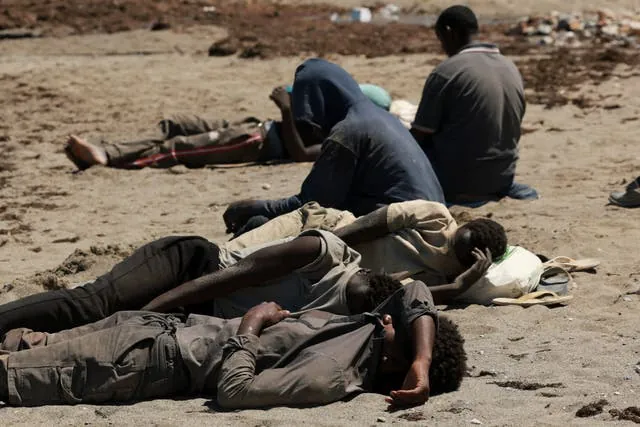
The call for reassessment stems from events in Ceuta last week, where tens of thousands of individuals crossed the Moroccan border into the European enclave. Prime Minister Sánchez has publicly defended Moroccan authorities, stating they assisted in the return of nearly all 72,000 individuals who crossed. However, Spain’s Interior Ministry reports that approximately 2,000 people, including 1,000 minors, remain in Ceuta.
Opposition figures and Spain’s defence minister have requested a more detailed explanation from Morocco regarding its response to the crisis. This situation was reportedly exacerbated by social media posts encouraging border crossings. Tragically, more than 80 people died while attempting to swim across a breakwater and border fence from Morocco into Ceuta last Thursday and Friday.
The majority of the 2030 World Cup is planned to be co-hosted by Spain, Morocco, and Portugal. Additionally, Argentina, Paraguay, and Uruguay are each set to stage a single game to commemorate the centenary of Uruguay hosting the inaugural World Cup in 1930.
Stadium Challenges for Co-Hosts
Both Spain and Morocco face challenges regarding stadium capacity and infrastructure for the 2030 World Cup bid. Spain initially proposed eleven stadiums, but La Coruña and Málaga have already withdrawn their bids. The Spanish federation anticipates that FIFA will reduce the number of stadiums in both co-hosting nations.
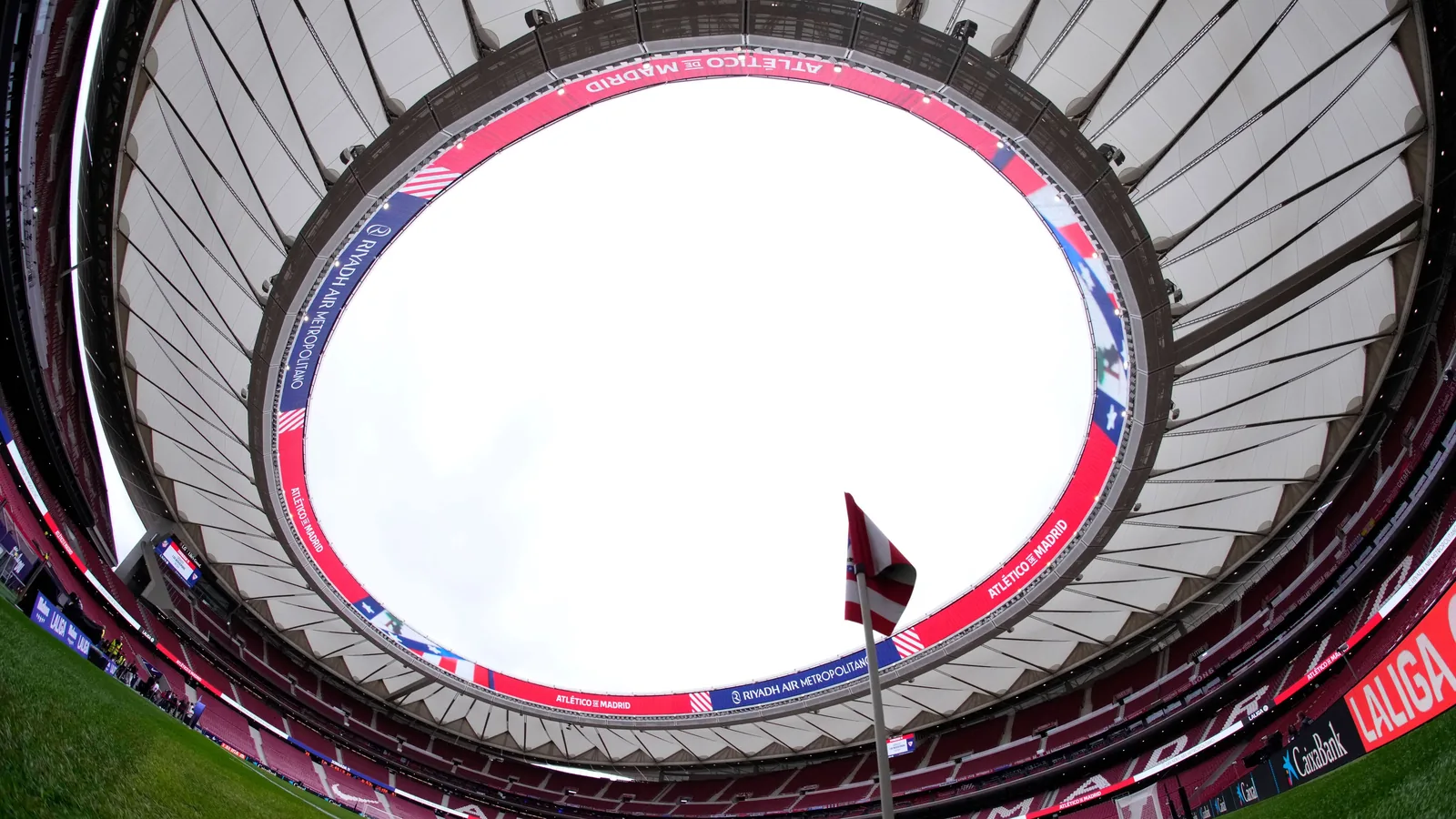
Of the nine remaining Spanish venues, it is expected that at least two or three may be removed from consideration. A similar situation is expected for Morocco, where the list of proposed facilities may also be reviewed against identical criteria. Relatively confirmed Spanish grounds include the Santiago Bernabéu, Camp Nou, Metropolitano, and San Mamés.
Moroccan host cities face comparable issues concerning capacity, technical standards, and surrounding infrastructure. For example, Spain’s Anoeta stadium has a capacity that is at the maximum threshold required by FIFA, a situation that may be replicated in some Moroccan grounds needing substantial upgrades. Journalist Antón Meana of Cadena SER radio suggests that Vigo’s chances are not strong, while Valencia has better prospects.
The anticipated reduction in venues means that Moroccan cities might also lose opportunities they had planned for, particularly those that invested in initial planning without final guarantees. Both countries share the challenge of meeting FIFA’s strict standards for transport, hotels, and security zones. Cities unable to meet these requirements quickly, whether in Spain or Morocco, face either withdrawal or the risk of exclusion. This necessitates precise coordination between the two nations to present a balanced bid.
The Spanish FA president, Rafael Louzan, previously stated that Spain would be the leader of the 2030 World Cup and host the final.
Source: independent.co.uk