Storm Disrupts Infrastructure in Devon and Cornwall
Impact of Recent Storms
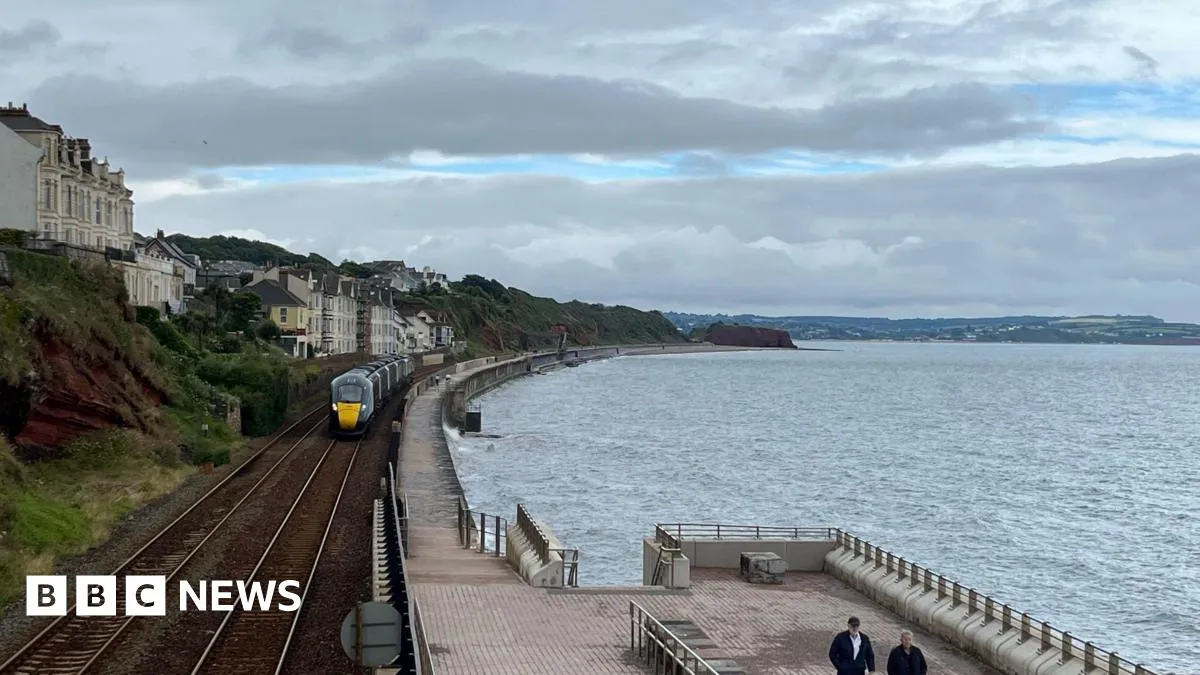
In recent weeks, Devon and Cornwall have faced significant disruptions due to severe storms, particularly Storm Goretti and Storm Ingrid. These weather events have led to considerable damage to infrastructure, including a partial collapse of a seawall in Dawlish, which has severely impacted train services in the region. Prior to these storms, local transport networks were already under scrutiny, with many residents and officials advocating for improvements to the rail system.
Immediate Changes and Damage
The decisive moment came when the storms caused extensive damage, leading to immediate calls for action from Labour MPs representing the affected areas. The collapse of the seawall not only disrupted train services but also highlighted the vulnerability of the region’s transport infrastructure to extreme weather events. Furthermore, Somerset Council is grappling with the aftermath of Storm Chandra, which has affected the A30 Hendford Hill, currently operating in a limited capacity due to safety concerns stemming from bank slippage and fallen trees.
Response from Local Authorities
In response to the damage, Somerset Council has prioritized the reopening of the A30 Hendford Hill, emphasizing the importance of restoring full access to this vital route. Councillor Richard Wilkins, the Lead Member for Transport and Waste Service, stated, “It is vital we reopen both lanes as soon as possible – we’re aiming for a few weeks at the most to get the work done.” The council is currently evaluating four potential approaches to address the damage, including the addition of a protective barrier to ensure safety while reopening the southbound carriageway.
Broader Economic Context
As local authorities work to address the immediate impacts of the storms, there are broader economic concerns that have emerged in the wake of these weather events. The head of the Treasury select committee has warned that young adults in the UK face a ‘perfect storm’ of economic challenges, exacerbated by high unemployment rates and rising living costs. This situation is compounded by the ongoing investigation into student loans, where high interest rates and hefty repayments have sparked significant backlash.
Expert Insights on the Situation
Meg Hillier, a prominent figure in the select committee, has voiced concerns about the implications of these economic pressures on young people. She noted, “Now those young people are coming out and finding rents are sky high,” highlighting the struggle for many to secure affordable housing. Furthermore, she warned that if young workers are not contributing to their pensions, it could lead to increased taxpayer burdens in the future, potentially resulting in pensioner poverty.
Future Considerations
The recent storms have not only caused immediate disruptions but have also reignited discussions about the need for long-term investment in infrastructure to withstand such extreme weather events. As local councils and government bodies respond to the damage, the focus will likely shift towards creating more resilient transport networks that can better cope with future storms. The ongoing assessments and decisions made in the coming weeks will be crucial in determining how effectively the region can recover from these recent challenges.
As Devon and Cornwall continue to navigate the aftermath of the storms, the interplay between immediate infrastructure needs and broader economic challenges will shape the region’s response. The situation remains fluid, with local authorities striving to balance urgent repairs with long-term planning for a more resilient future.