Strait Hormuz Ceasefire Proposal: Tensions Rise as Deadline Approaches
The numbers
As the deadline for a ceasefire proposal approaches, tensions in the Strait of Hormuz escalate. Donald Trump has warned that Iran’s proposal to end the ongoing conflict is insufficient to avert U.S. threats to destroy critical infrastructure unless the Strait of Hormuz is reopened. Approximately 20 percent of the world’s oil supplies pass through this vital waterway, making its stability crucial for global markets.
Trump has set a final deadline for Iran to agree to a deal by 8 PM Washington time on Tuesday, emphasizing that the U.S. will not accept anything less than a comprehensive solution. “It’s a significant proposal. It’s a significant step. It’s not good enough, but it’s a very significant step,” Trump stated, reflecting the U.S. administration’s cautious approach to Iran’s overtures.
Iran, however, has rejected the proposed temporary ceasefire, insisting instead on a permanent end to hostilities. The Iranian leadership has outlined a 10-clause proposal that includes demands for an end to regional conflicts and a protocol for safe passage through the Strait of Hormuz. Iranian military officials have dismissed Trump’s warnings as “delusional,” criticizing his rhetoric as baseless threats.
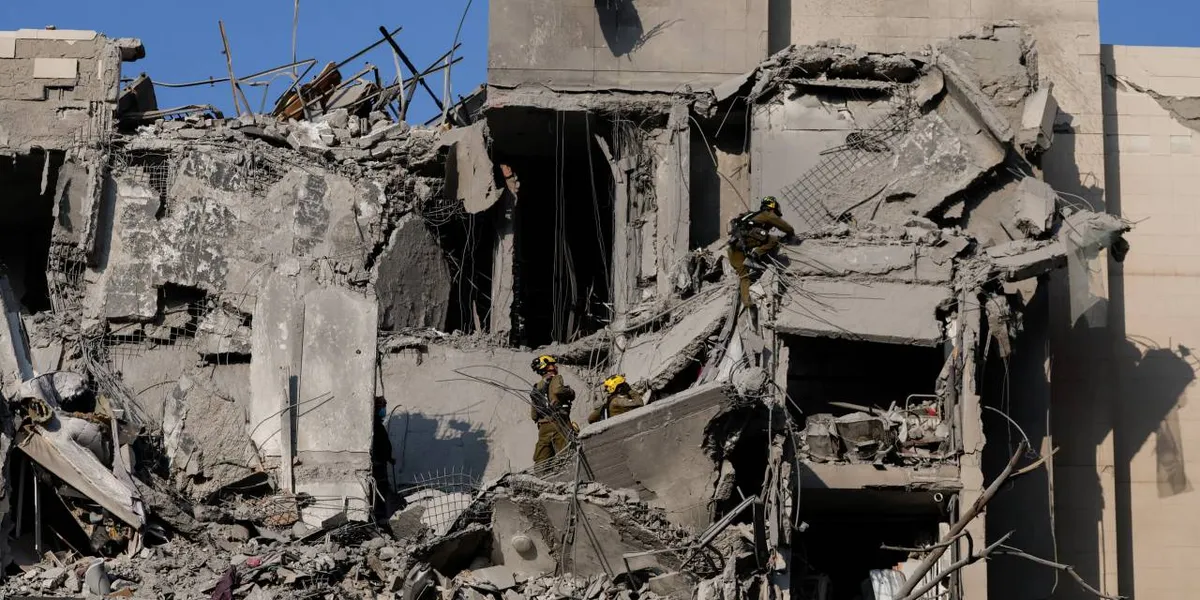
The backdrop to these developments is a war that erupted on February 28, triggered by Israeli and U.S. attacks against Iran. Iran’s military response has been robust, and the rejection of the ceasefire proposal coincided with Israeli strikes on a key petrochemical plant in Iran, further complicating the situation. The extent of the damage from these strikes is still being assessed, raising concerns about potential escalation.
In a related effort, Iran’s leadership is currently reviewing a plan for an immediate pause in hostilities sent by Pakistan, which could provide a pathway to de-escalation. However, the White House has indicated that Iran has only one night to engage seriously in negotiations, underscoring the urgency of the situation.
Trump has threatened to bomb Iran “back to the stone ages” unless a deal is reached, a statement that reflects the high stakes involved. The proposed final agreement would require Iran to forgo the development of nuclear weapons in exchange for relief from sanctions, a deal that remains contentious.
Amnesty International has warned that any attack on civilian infrastructure could amount to a war crime, adding another layer of complexity to the ongoing conflict. Observers remain cautious as the situation develops, with Iran’s official response to the ceasefire proposal conveyed through Pakistan, leaving the door open for potential diplomatic engagement.
Details remain unconfirmed regarding the feasibility of a diplomatic solution, as both sides brace for the impending deadline. The international community watches closely, aware that the Strait of Hormuz remains a flashpoint for geopolitical tensions and a critical artery for global oil supplies.