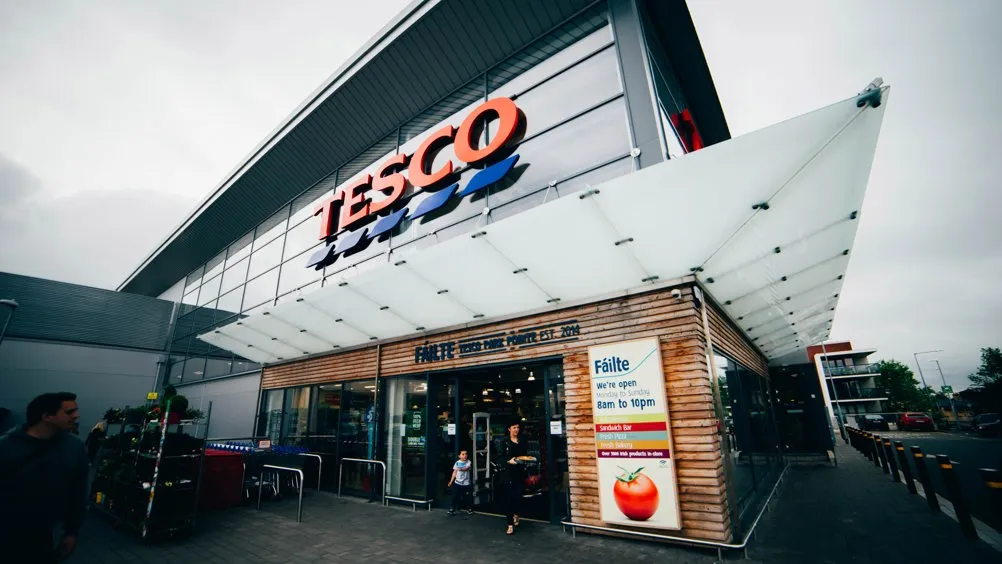
Tesco equal pay tribunal
The Tesco equal pay tribunal is set to begin on May 1, 2026, in Reading, UK, where the company will defend its practice of paying store staff less than distribution center workers. This case involves over 60,000 shop workers and could potentially cost Tesco £4 billion in back pay claims.
The claimants argue that the wage disparity stems from Tesco’s control over its pay structure. They assert that the company has no lawful justification for paying predominantly female store workers less for work of equal value. Currently, there is a £5.50 hourly wage difference between these two groups of employees.
Experts suggest that this tribunal could set a significant precedent for equal pay claims across the retail sector. Should the ruling be against Tesco, it may lead to possible industrial action among warehouse staff, as the company has indicated that equalizing pay could inflict serious damage on its operations.
Key facts:
- The overall value of the case is estimated at £4 billion by Leigh Day.
- The claim seeks six years of back pay covering the period from 2012 to 2018.
- 17,000 current and former Tesco employees are represented by Leigh Day.
- A ruling against Tesco could impact around 250,000 workers and result in a potential cost of £1.7 billion.
Paula Lee from Leigh Day stated, “These hearings go to the heart of why Tesco is paying its store workers less than their colleagues in distribution.” The claimants believe that evidence will show no lawful justification exists for the ongoing pay disparity.
In contrast, Tesco maintains that market conditions and operational needs dictated their wage structure. A spokesperson stated, “The gap in pay was determined by market conditions and genuine pressing operational needs.” This defense highlights the complexities surrounding employment practices in large organizations.
A judgment from this tribunal is expected later this year. The outcome may not only affect those involved but also influence broader discussions about gender equality and fair compensation in the retail industry.