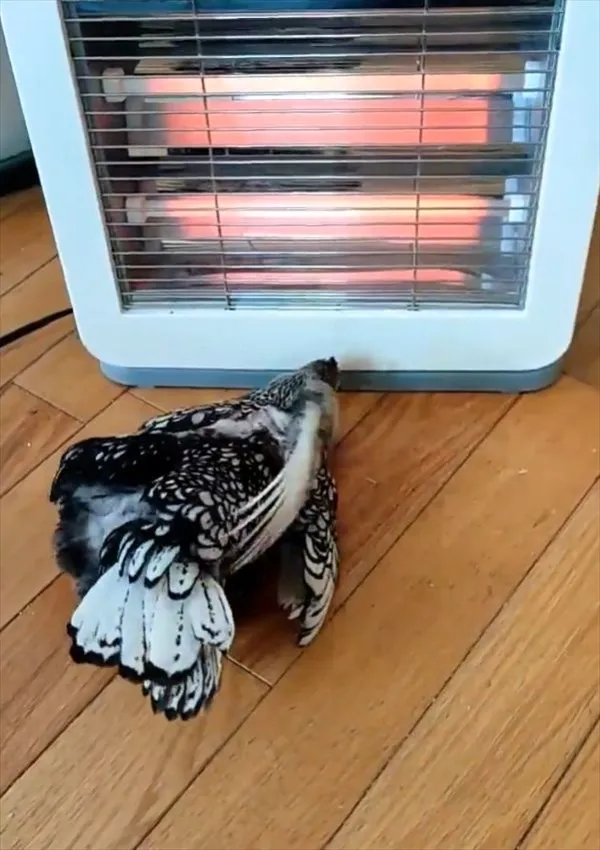
The Chicken Ick Phenomenon: A Viral Disgust Response
The chicken ick phenomenon has recently captured attention, particularly on platforms like TikTok, where individuals report feeling an unexpected sense of disgust towards chicken, sometimes mid-bite. This reaction contrasts sharply with prior expectations, where chicken was generally viewed as a staple protein without significant aversion.
Before the rise of the chicken ick, chicken was a widely accepted and versatile food choice. However, the decisive moment came as videos showcasing unappetizing chicken meals went viral, triggering a wave of disgust among viewers. The phenomenon highlights how social media can shape food perceptions, with many users expressing their newfound aversion.
Dr. Lorenzo Stafford, an associate professor in psychobiological psychology at the University of Portsmouth, explains that the disgust response can be influenced by various factors, including taste, smell, and appearance. He notes, “If you were scrolling on social media looking at unappetising meals before starting to cook your own meal, this can influence the way you subsequently feel about your own food.” This emotional contagion can lead individuals to catch the ick from others’ expressed disgust.
The direct effects of the chicken ick phenomenon are evident as many individuals reconsider their chicken consumption. Suggestions to combat this aversion include trying different chicken recipes or having someone else prepare the meal. The phrase “there’s no ick in a veggie burger” has emerged as a humorous yet effective alternative to avoid the chicken ick.
As the trend continues to evolve, it raises questions about the long-term implications for chicken consumption and food trends. The chicken ick phenomenon serves as a reminder of how quickly perceptions can shift in the digital age, influenced by social media dynamics.
Details remain unconfirmed regarding the broader impact on chicken sales or dietary habits, but the phenomenon is certainly reshaping conversations around food choices. The chicken ick phenomenon illustrates the power of social media in influencing personal preferences and societal norms surrounding food.