Tomahawk Missile Strike on Iranian School: A Tragic Incident
Background of the Incident
Prior to the tragic events of February 28, 2026, the Shajareh Tayyebeh primary school in Minab, Hormozgan Province, Iran, was a place of learning, separated from the nearby Islamic Revolutionary Guards Corps (IRGC) compound by a wall for at least eight years. This separation had led to an expectation of safety for the children attending the school, as it was believed that military operations would not target civilian structures, especially those dedicated to education.
The Decisive Moment
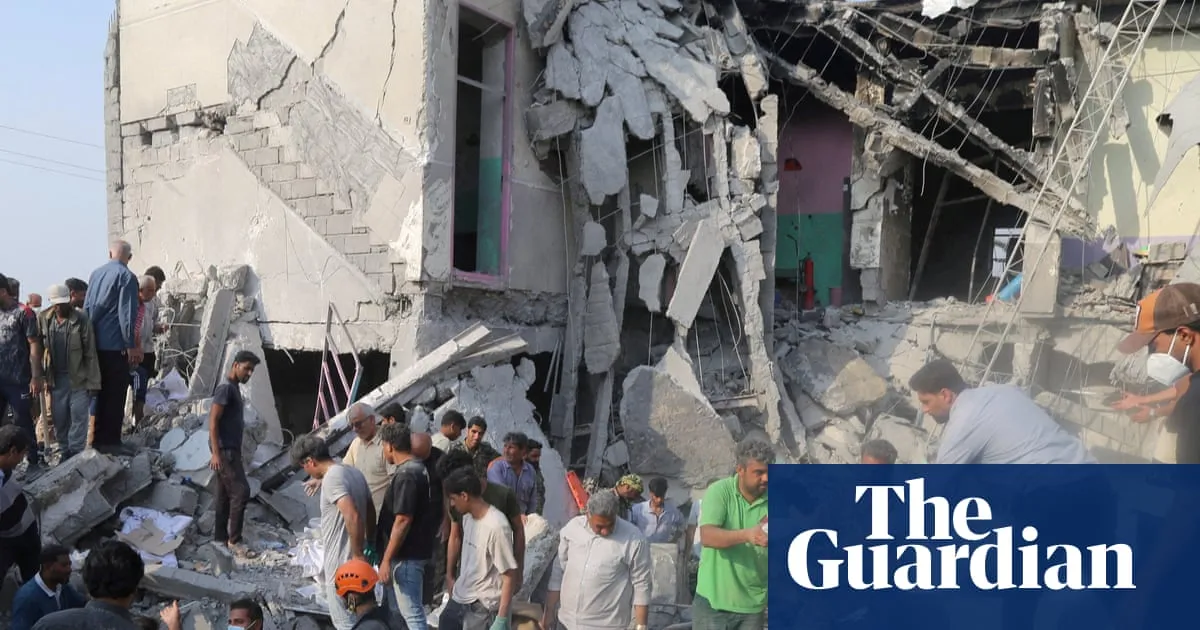
However, on that fateful morning, a US Tomahawk missile struck the Iranian naval base adjacent to the school, resulting in catastrophic consequences. Reports indicate that more than 168 people were killed in the strike, with the majority being children. Iranian authorities reported at least 165 fatalities, while satellite imagery confirmed extensive damage to both the school and the naval base. The missile strike demolished approximately half of the school building, turning a place of learning into a scene of devastation.
Immediate Aftermath
The immediate effects of the strike were harrowing. Videos emerged showing workers desperately digging through the rubble of the school, searching for survivors. In the Minab Cemetery, at least 77 graves were dug for the victims, with an additional 23 graves in the process of being prepared. The scale of the tragedy highlighted the vulnerability of civilians in conflict zones, particularly children who are often the most affected.
Reactions and Investigations
In the wake of the strike, US military spokespeople stated that they are investigating the incident. Former President Donald Trump suggested that the attack was justified, claiming, “In my opinion, based on what I’ve seen, that was done by Iran.” However, this perspective has been met with criticism, as many argue that the strike constitutes a grave violation of international law. UNESCO condemned the bombing, emphasizing the need to protect educational institutions during armed conflicts.
Expert Perspectives
Experts in munitions confirmed that the missile used in the strike was indeed a Tomahawk. N.R. Jenzen-Jones noted, “The video shows a Tomahawk missile striking a target,” further corroborating the nature of the attack. Additionally, commentators like Pete Hegseth stated, “The only side that targets civilians is Iran,” reflecting a contentious narrative surrounding the conflict. However, UN experts condemned the strike as a “grave assault on children, on education, and on the future of an entire community,” underscoring the moral implications of such military actions.
International Law and Human Rights Concerns
The strike has raised significant concerns regarding international law and the protection of civilians in warfare. The bombing of a school, particularly one that had been clearly marked as a civilian facility, poses serious questions about the adherence to international humanitarian standards. Human Rights Watch and other organizations are likely to scrutinize the incident further, advocating for accountability and justice for the victims.
As investigations continue, details remain unconfirmed regarding the circumstances that led to the strike and the decision-making processes involved. The tragic loss of life in this incident serves as a stark reminder of the consequences of military actions in populated areas and the urgent need for measures to protect civilians, especially children, in conflict zones.