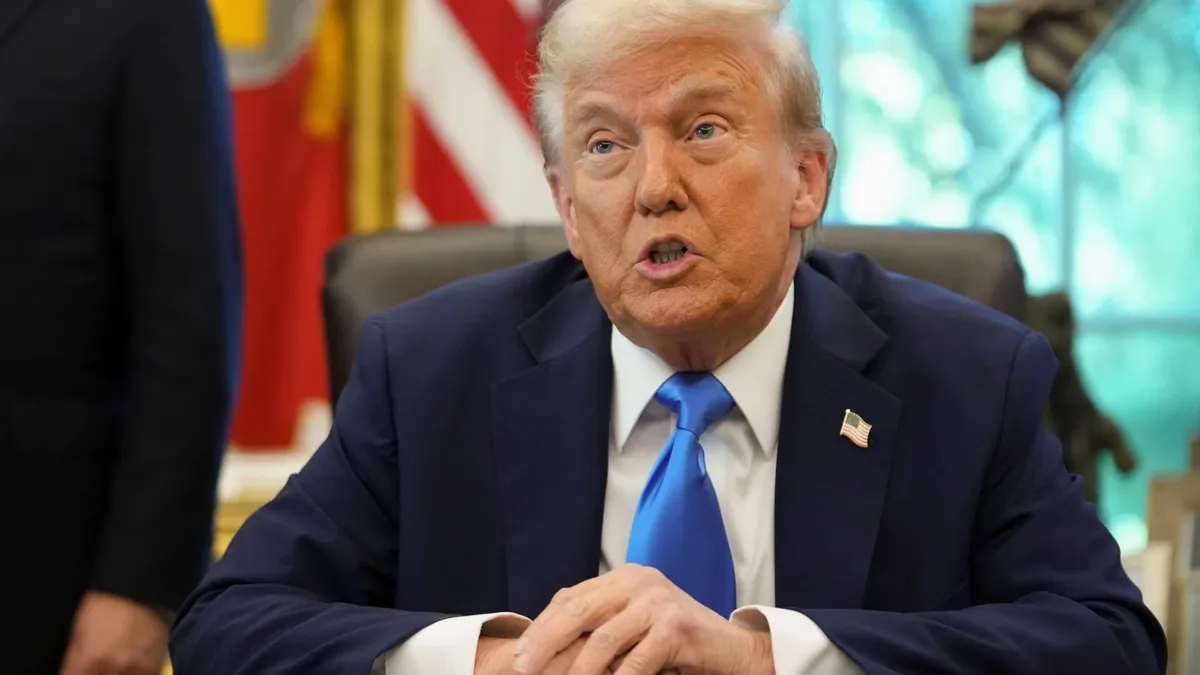
Trump’s Influence on the Iran Conflict: Key Developments
What the data shows
The recent escalation in the conflict between the US, Israel, and Iran raises a pivotal question: How is Donald Trump’s involvement influencing military actions and political dynamics in the region? The answer is clear; Trump’s decisions are directly impacting the course of events, as evidenced by a series of military strikes and strategic maneuvers.
On March 23, 2026, the Israeli Defense Forces (IDF) launched a new wave of strikes on Tehran, shortly after Trump extended his deadline to strike Iran’s power plants by five days. This extension was attributed to what Trump described as “very good and productive conversations” with Tehran. The IDF has reported significant success in its operations, claiming to have destroyed or rendered inoperable approximately 330 of Iran’s estimated 470 ballistic missile launchers since the onset of the conflict.
As the military actions intensified, at least six people were reported killed in strikes on homes in Tabriz city, according to Fars news agency. The total fatalities in Iran have surpassed 1,500, with some human rights groups estimating the death toll could be as high as 3,230 as of March 21. These figures highlight the severe human cost of the ongoing conflict.
In a broader context, the IDF’s operations have included strikes on military bases and weapons sites, notably targeting an Islamic Revolutionary Guards Corps headquarters. In the last 24 hours alone, the US-based Human Rights Activists News Agency reported at least 206 attacks across 15 provinces in Iran, resulting in at least four casualties. This surge in violence underscores the precarious situation on the ground.
Trump’s rhetoric has also played a significant role in shaping the narrative. He has called on the Iranian people to rise up against their “religious dictatorship,” a statement that resonates amid the ongoing turmoil. However, the political implications of his actions are complex; public disgust at Trump is viewed as a potential advantage for Labour leader Keir Starmer, especially with critical elections approaching on May 7.
Moreover, the International Energy Agency has issued warnings about an impending energy crisis that could rival the oil crises of 1973 and 1979, compounded by the effects of Russia’s 2022 invasion of Ukraine. The ramifications of this crisis could be severe, impacting global markets and economies.
As the situation unfolds, the IDF has stated it will continue operations in Iran according to directives from the Israeli government. The next steps remain uncertain, with the potential for further escalations or diplomatic resolutions hanging in the balance. Details remain unconfirmed regarding the long-term impacts of these military actions on both regional stability and international relations.
In summary, Trump’s influence on the Iran conflict is evident through military strategies and political rhetoric, shaping not only the immediate landscape but also the broader geopolitical environment. The coming days will be critical in determining the trajectory of this ongoing conflict.