Ascot’s renewed focus on the King George
Ascot’s renewed focus on the King George
Ascot Racecourse is preparing for an exceptional running of the King George VI & Queen Elizabeth Stakes on Saturday. The event is seen as a key part of Ascot’s strategy to elevate the race’s standing in European horse racing. This comes as the racecourse announced annual pre-tax profits of £10.5m in 2025 and revealed that next year’s King George will offer a British-record prize of £2.5m.
The track has seen increased attendance, with last month’s Royal meeting setting a post-Covid record for crowds across all five days. Nick Smith, Ascot’s director of racing and public affairs, noted a strategic decision made two years ago to focus on the King George as their primary race asset, distinct from the Royal meeting itself.
A strong field for the midsummer showpiece
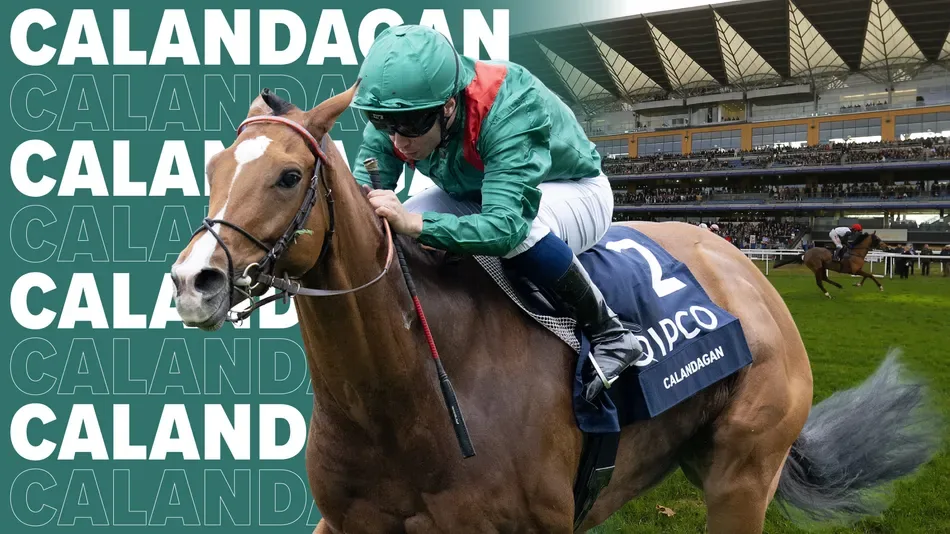
Saturday’s King George is anticipated to be one of the strongest in terms of quality and depth in at least 20 years. The field includes horses such as Calandagan, who has consistently reached the summit of the middle-distance division, and Masquerade Ball, who was close behind on ratings. Other notable contenders include Benvenuto Cellini, the Irish Derby winner, and Minnie Hauk, who was a close second in a previous Prix de l’Arc de Triomphe.
Masquerade Ball, one of two Japanese-trained runners, is drawing significant attention. Japan’s racing industry, which is described as rich and successful, values stamina in its champions. Millions of Japanese fans are expected to watch, hoping for a first-ever win in the contest, which could make Masquerade Ball a highly sought-after stallion prospect.
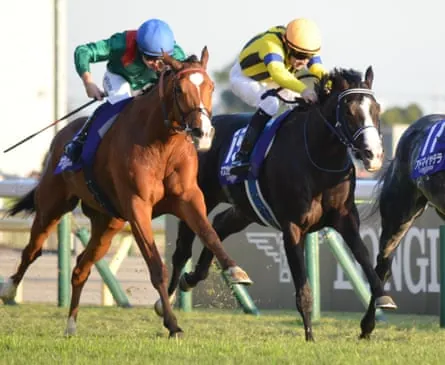
Takahisa Tezuka, Masquerade Ball’s trainer, expressed satisfaction with the horse’s condition following its journey to Britain. Tezuka noted that the colt has matured and developed significantly from three to four years old, both mentally and physically. His training in the UK has also exceeded expectations.
Ambitions for European prominence
Ascot’s long-term goal for the King George is to match the prize money offered by the Arc, which currently stands at €5m (£4.24m). The increase to £2.5m next year will position the King George second only to the Arc among European races in terms of prize money. Smith stated that this increase is a clear indication that this is the beginning of a sustained effort, not the end.
The racecourse is actively promoting the King George as a premier all-aged race, highlighting its sporting significance rather than ancillary attractions. Smith mentioned that the aim is for the King George to remain among the top four races in the world rankings over the next three to five years, as it was last year.
Calandagan, who has consistently performed at the highest level in middle-distance racing, will be attempting to emulate past champions like Dahlia, Swain, and Enable by winning two King George VI and Queen Elizabeth Stakes consecutively. His recent success in the Grand Prix de Saint-Cloud suggests he has recovered from a previous setback.
Masquerade Ball’s recent performance, finishing a close second behind Romantic Warrior over 10 furlongs, indicates significant progress. The colt is considered a fair contender to challenge the favourite on Saturday.
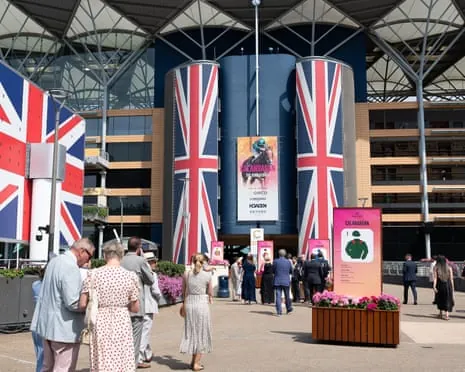
The King George is a 12-furlong all-aged Group One race, and its prize fund will increase next year.
Source: theguardian.com