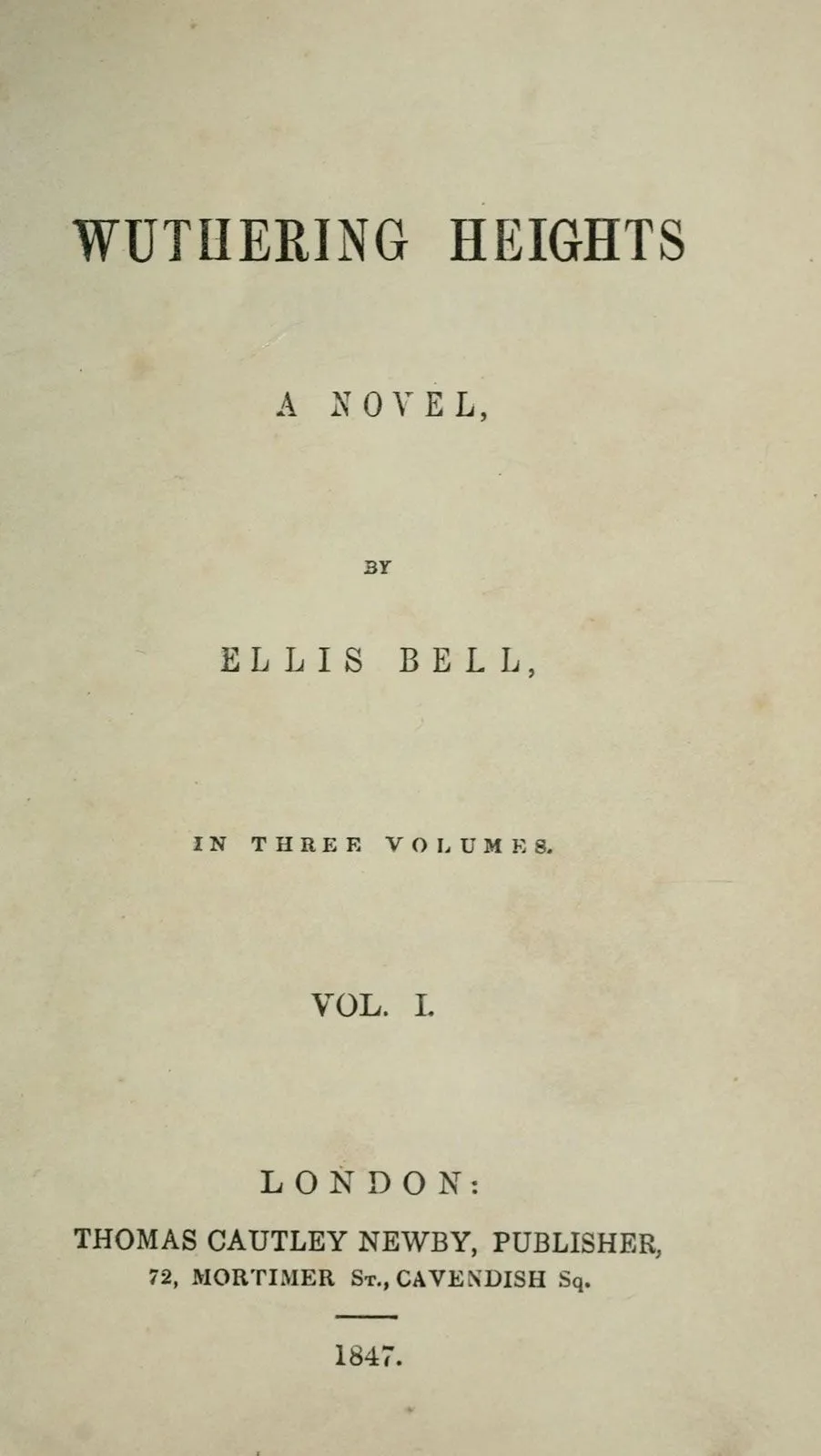
Wuthering Heights
The 2026 film adaptation of Wuthering Heights has sparked controversy due to its anachronistic elements and casting choices. Directed by Emerald Fennell, this adaptation features Margot Robbie as Catherine Earnshaw and Jacob Elordi as Heathcliff. Critics have raised concerns about the film’s fidelity to Emily Brontë’s original novel, published in 1847.
Brontë’s Wuthering Heights, her only novel, is a cornerstone of Gothic fiction. It explores the tumultuous relationship between Catherine Earnshaw and Heathcliff, a character described as a foundling of dark skin and possibly of Roma origin. Initially dismissed by reviewers as ‘immoral’ and ‘vulgar’, the novel has since gained recognition for its complex characters and themes.
The 2026 adaptation includes scenes that diverge significantly from the source material, such as depictions of masturbation and sadomasochism. This shift toward more explicit content has drawn criticism as it alters the essence of Brontë’s work. In an interview, Fennell stated, “What I can say is I’m making a version of it. There’s a version that I remembered reading that isn’t quite real.” This suggests her intention to reinterpret the story for modern audiences.
Key statistics:
- The 2026 film adaptation has already surpassed $240 million at the global box office.
- Margot Robbie was 35 years old at the time of the film’s release.
- Emily Brontë published Wuthering Heights in 1847.
Catherine Earnshaw famously declares, “I am Heathcliff! He’s always, always in my mind: not as a pleasure, any more than I am always a pleasure to myself, but as my own being.” This line encapsulates the intense emotional bond between the characters. Critics like David Rooney have described this new version as “Wuthering Heights for the Bridgerton generation,” indicating its appeal to a younger audience.
The previous film adaptation in 1970 was commercially successful enough to warrant a sequel. In contrast, the 2026 version’s controversial elements may affect its long-term reception among fans of Gothic fiction. As debates continue over its artistic choices, it remains clear that this adaptation aims to resonate with contemporary viewers while navigating the legacy of Brontë’s classic.