Cinco de Mayo Celebrations in the U.S.
Cinco de Mayo celebrations in the U.S. are increasingly focusing on honoring Mexican history and culture rather than just revelry, especially as the holiday approaches on May 5. This shift highlights a growing awareness of the significance behind the festivities, particularly the 1862 victory of Mexican forces over French troops at the Battle of Puebla.
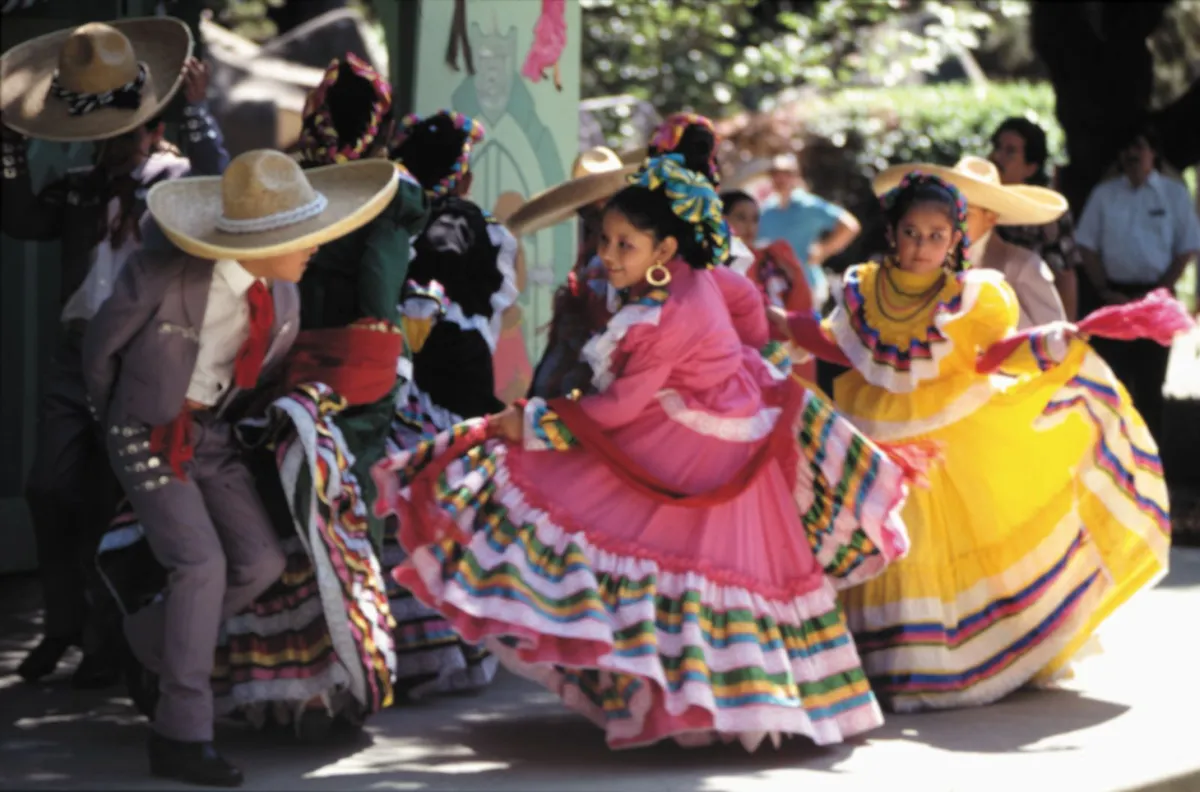
In recent years, Cinco de Mayo has evolved into a broader celebration of Mexican American culture. Events now include parades, mariachi competitions, and traditional folklórico dance performances. Observers note that these elements reflect a deeper appreciation for Mexican heritage rather than merely indulging in drinks like margaritas or participating in what some call “Cinco de Drinko.”
The holiday is often confused with Mexican Independence Day, which is celebrated on September 16. Yet, Cinco de Mayo serves as a reminder of resilience; as Nayomie Mendoza puts it, “It just showed resilience. So, on Cinco de Mayo we always make it a testament of our resilience.” More than just a party day, it has become a symbol of pride for many.
Interestingly, Cinco de Mayo is celebrated more widely in the United States than in Mexico itself. In Puebla, historical reenactments occur annually to commemorate the battle’s significance. In contrast, many Americans associate the day primarily with festivities that include street food and drinks.
The economic impact of this celebration is noteworthy as well. In 2024, Hispanic-owned firms accounted for 8.4% of U.S. employers, highlighting the growing influence of Latino culture in various sectors. This cultural presence contributes to the authenticity and vibrancy of Cinco de Mayo celebrations across the country.
As part of this cultural renaissance, sotol—an emerging spirit from Mexico—is gaining popularity alongside tequila and mezcal. Produced from the Dasylirion plant, which takes 15 to 20 years to mature, sotol represents another facet of Mexico’s rich culinary traditions.
The evolution of Cinco de Mayo raises questions about how future generations will celebrate this day. While some may still focus on indulgence, there is a clear trend toward education and cultural appreciation among younger participants. Observers expect that this trend will continue to grow as people seek to understand more about what is behind their celebratory drinks.